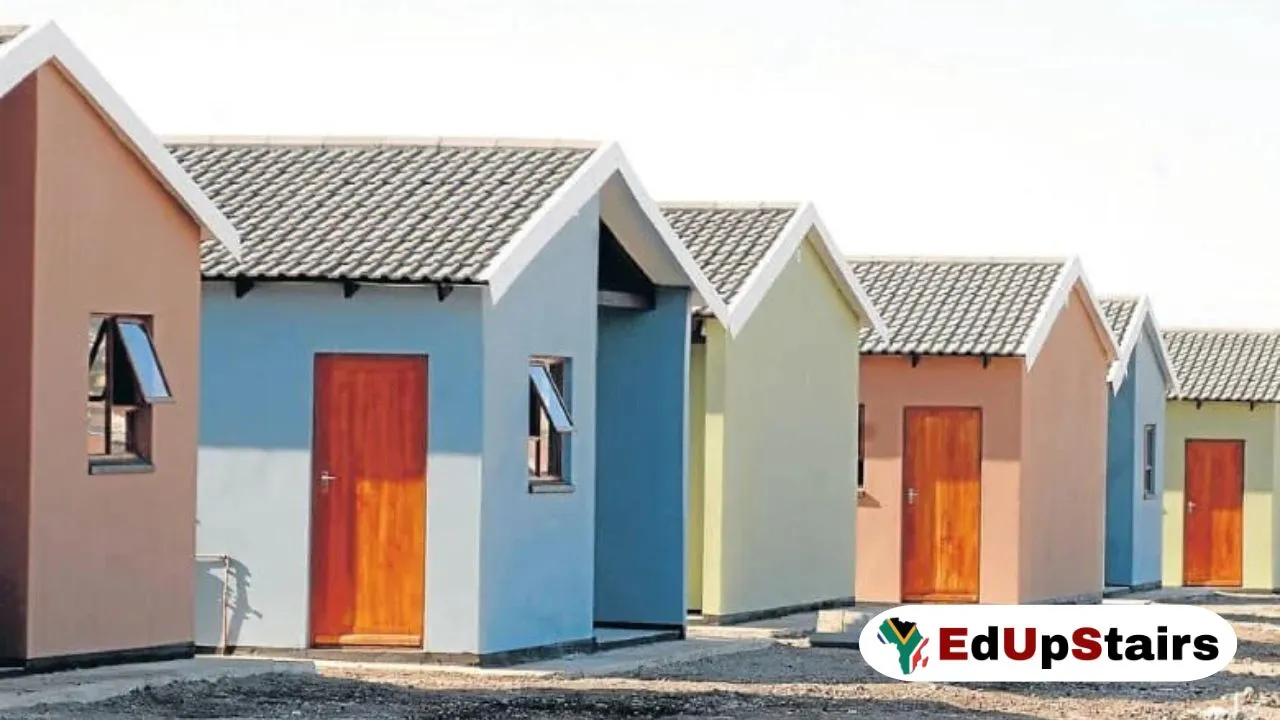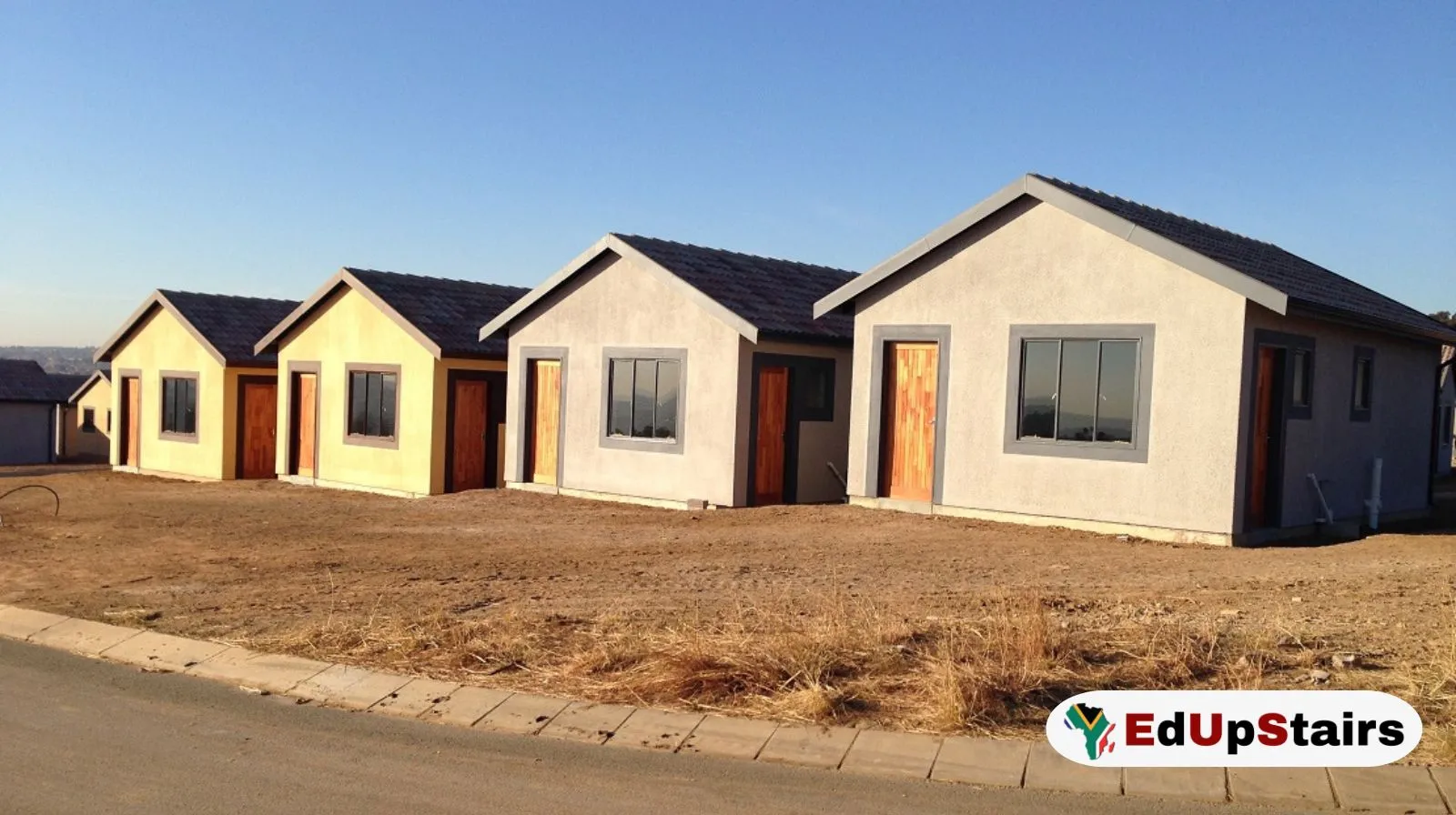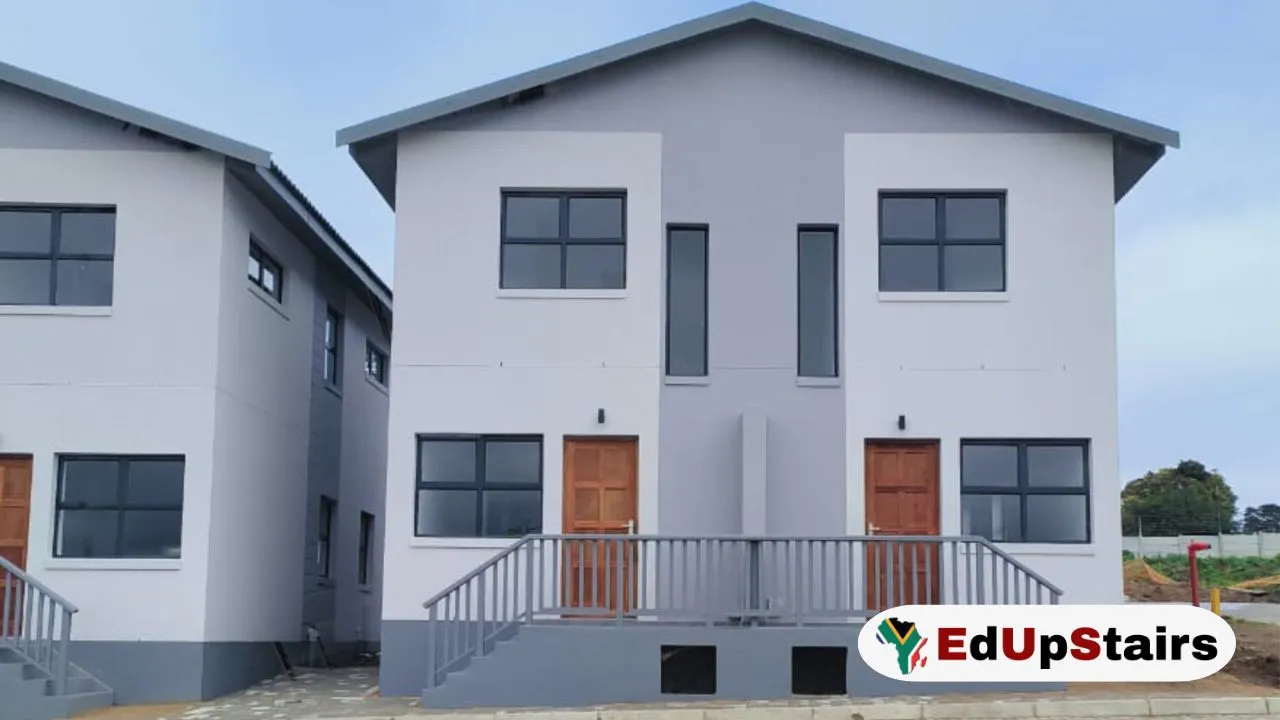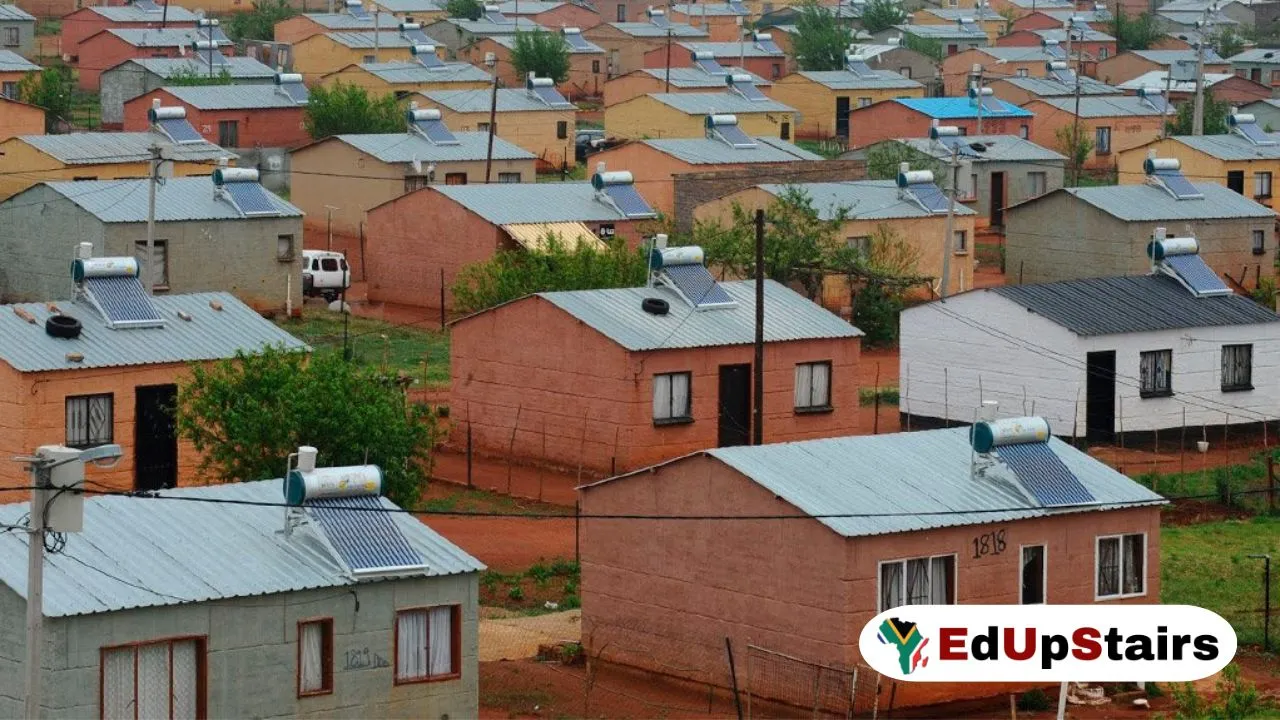

For many South Africans, applying for an RDP (Breaking New Ground – BNG) house is filled with hope.
You register your details, receive confirmation that your application has been captured, and then… you wait.
Sometimes for years.
Sometimes for more than a decade.
During that time, life does not stop. Children grow up. Families expand. Employment opportunities come and go. Some people end up renting overcrowded backyard rooms, while others continue living in informal settlements without proper sanitation, electricity or security.
The reality is that being on the housing waiting list does not mean you must accept poor living conditions while waiting for your permanent home.
Across South Africa, national, provincial and municipal Human Settlements departments continue investing in affordable rental housing, Community Residential Units (CRUs), upgraded hostels, social housing developments, emergency housing and informal settlement upgrading projects. Many of these programmes are specifically designed to provide decent accommodation before people eventually receive a subsidised BNG house.
In this guide, we explain the different housing options that unemployed South Africans, SASSA grant beneficiaries and low-income households should know about. We also explain how the Edupstairs RDP Housing Eligibility Checker can help you determine whether you qualify before applying.
A Common Misunderstanding
Many people believe there are only two choices:
- Wait for an RDP house
- Continue living in poor conditions
That is simply not true.
Government housing includes numerous programmes, including:
- BNG (formerly RDP houses)
- Social Housing
- Community Residential Units (CRUs)
- Upgrading Informal Settlements
- Emergency Housing
- First Home Finance (for qualifying households)
- Provincial rental developments
- Municipal affordable rental projects
Each programme serves a different purpose.
Option 1: Community Residential Units (CRUs)
One of South Africa’s most overlooked housing programmes is the Community Residential Unit (CRU) programme.
CRUs provide rental accommodation, often through:
- upgraded hostels
- converted hostel blocks
- municipal rental flats
- family units
Unlike an RDP house, these properties are rented rather than owned.
CRUs are intended to provide dignified accommodation for qualifying households while improving living conditions in urban areas.
These developments can often be found in metropolitan municipalities such as:
- Johannesburg
- Tshwane
- Ekurhuleni
- eThekwini
- Cape Town
- Nelson Mandela Bay
- Mangaung
- Buffalo City
Option 2: Social Housing
Many unemployed South Africans have never heard of Social Housing.
Social Housing consists of affordable rental apartments located close to:
- public transport
- schools
- hospitals
- shopping centres
- employment opportunities
These developments are managed by accredited social housing institutions and are rental units—not rent-to-own properties.
Benefits include:
- safer environments
- proper maintenance
- secure access
- reliable services
- cleaner neighbourhoods
Option 3: Upgraded Government Hostels
When many people hear “hostel”, they still picture overcrowded buildings from decades ago.
That picture has changed.
Across several provinces, Human Settlements departments have converted older hostels into family accommodation with:
- private rooms
- improved sanitation
- electricity
- better security
- communal facilities
Many of these units are rented at affordable rates.
Option 4: Municipal Rental Flats
Several municipalities continue managing affordable rental housing.
These include:
- flats
- apartments
- rental units
- family housing developments
Availability differs by municipality, so applicants should regularly check with their local Human Settlements office.
Option 5: Informal Settlement Upgrading
Not everyone is relocated immediately.
Instead, government often upgrades existing informal settlements by introducing:
- roads
- drainage
- sanitation
- water connections
- electricity
- refuse removal
- community facilities
The objective is to improve living conditions while longer-term housing solutions are developed.
Option 6: Emergency Housing
Families affected by:
- floods
- fires
- disasters
- unsafe structures
- emergency evictions
may qualify for temporary emergency accommodation through government programmes while permanent solutions are arranged.
What About SASSA Beneficiaries?
Many SASSA beneficiaries ask whether receiving a social grant automatically qualifies them for housing.
The answer is no.
Receiving a SASSA grant does not automatically place someone on the housing waiting list or guarantee allocation of an RDP/BNG house.
However, many grant beneficiaries may still qualify if they meet the housing subsidy requirements, which generally include factors such as citizenship, age, household income, previous housing assistance, and dependency status.
For older persons, people with disabilities, child support grant recipients and unemployed households, applying for the correct housing programme can make a significant difference to long-term living conditions.
What If You’re Completely Unemployed?
Being unemployed does not automatically disqualify you.
Many housing programmes are designed specifically for low-income households.
In some cases, rental housing programmes may be more suitable than waiting indefinitely for ownership of a subsidised house.
The key is understanding which programme matches your circumstances.
Provincial Human Settlements Departments Continue Delivering Housing
Housing delivery looks different in every province.
Across South Africa, provincial Human Settlements departments continue to:
- hand over title deeds
- build BNG houses
- develop social housing
- upgrade hostels
- improve informal settlements
- construct affordable rental units
- partner with municipalities on housing projects.
This means your best option may not always be waiting for a traditional RDP house—you may qualify for another programme that becomes available sooner.
You May Also Check:
- What Happens If Two People Apply for Government Housing Using One Address in South Africa?
- How South Africans Can Apply for BNG (Breaking New Ground) Housing in South Africa
- How Government Verifies RDP Housing Beneficiaries in South Africa
- How to Apply for Government Housing Subsidy in South Africa
- South Africans Can Now Check Their RDP Housing Application Status Online Using Their ID Numbers
- How You Can Get Financial Support to Buy or Build Your Affordable First Home in Urban or Rural Areas in South Africa
Before You Apply: Check If You Qualify
One of the biggest mistakes applicants make is assuming they qualify without checking the official requirements.
Many applications are delayed because applicants:
- already benefited from a housing subsidy
- previously owned property
- exceed the income threshold for a particular programme
- submit incomplete documentation
- misunderstand the qualifying criteria
The Edupstairs RDP Housing Eligibility Checker helps applicants understand whether they are likely to qualify before beginning the application process. It explains the basic eligibility requirements in plain language and can save applicants time by identifying potential issues early.
Tools you may find useful:
- SETA Platform
- RDP / BNG Housing Eligibility Checker
- SASSA Grant Eligibility Checker
- SAPS / Metro / Traffic / DCS Eligibility Checker
- Youth Employment Eligibility Checker
- SA Bursary & NSFAS Eligibility Checker
- UIF Benefits Eligibility Checker and Payment Estimator
View Other Employment Opportunities here
Need Help?
Edupstairs Advice
If you have been waiting for years, don’t assume that “nothing is happening.”
Visit your local Human Settlements office periodically to confirm that your information is still correct, ask about rental housing opportunities in your municipality, and enquire whether any Community Residential Units, social housing projects or hostel redevelopment programmes are accepting applications.
If you receive a SASSA grant or are unemployed, remember that a decent place to live is about more than owning a house. Safe rental accommodation, upgraded hostels, municipal flats and improved informal settlements can provide stability while you continue waiting for permanent housing.
Most importantly, verify your eligibility using the Edupstairs RDP Housing Eligibility Checker so you understand which government housing programmes may be available to you.
Frequently Asked Questions
-
Can I apply for an RDP house if I receive a SASSA grant?
Yes, provided you meet the qualifying criteria for the relevant housing subsidy programme. Receiving a SASSA grant alone does not automatically qualify or disqualify you.
-
Are social housing apartments free?
No. Social housing is affordable rental accommodation. Tenants pay rent according to programme rules.
-
Can unemployed people apply for social housing?
Eligibility depends on the specific programme and income requirements. Contact the relevant social housing institution or provincial Human Settlements department for details.
-
Can I own a social housing apartment?
No. Social housing is intended for rental rather than ownership.
-
Are Community Residential Units the same as RDP houses?
No. CRUs are rental units, while BNG (formerly RDP) houses are ownership-based subsidy houses.
-
Can hostel residents still qualify for an RDP house?
In many cases, hostel residents may still qualify for housing programmes if they meet the applicable criteria, but this depends on their individual circumstances and programme rules.
-
Where do I apply?
Applications are generally handled through your provincial Department of Human Settlements or your local municipality.
-
How can I check whether I qualify?
You can use the Edupstairs RDP Housing Eligibility Checker for an initial assessment and then confirm your status with the relevant Human Settlements office.
You can also:
- View latest Internships
- View latest Learnerships
- View Latest Bursaries
- View latest Government jobs
- View latest Company Vacancies
- View latest Municipality vacancies
- Visit the Edupstairs blog for daily updates
Application Outcome Tracker (anonymous)
No names collected. This helps future applicants understand real-world timelines.
Have you applied for this opportunity?
Disclaimer
This article is intended for informational purposes only. Housing programme availability, rental opportunities, qualifying criteria and application processes may differ between provinces and municipalities. Always confirm the latest requirements with your provincial Department of Human Settlements or local municipality.
Editorial Integrity
This article was independently prepared by Edupstairs using publicly available information from the Department of Human Settlements and other official housing resources. Its purpose is to help South Africans understand the housing options available to them in clear, practical language. Edupstairs is not affiliated with the Department of Human Settlements and does not process housing applications on behalf of government.
EDUPSTAIRS IS A REGISTERED NON-PROFIT ORGANISATION NPO No: 232 – 182, PUBLIC BENEFIT ORGANISATION (PBO): 930066984. EDUPSTAIRS DOES NOT, IN ANY WAY OR FORM, SOLICIT MONEY OR CV’S FROM PEOPLE FOR JOBS. PLEASE BE AWARE OF PHONY JOB POSTINGS AND RECRUITMENT FRAUD. USE THE EDUPSTAIRS SCAM DETECTOR TOOL TO SPOT A SCAM BEFORE YOU APPLY