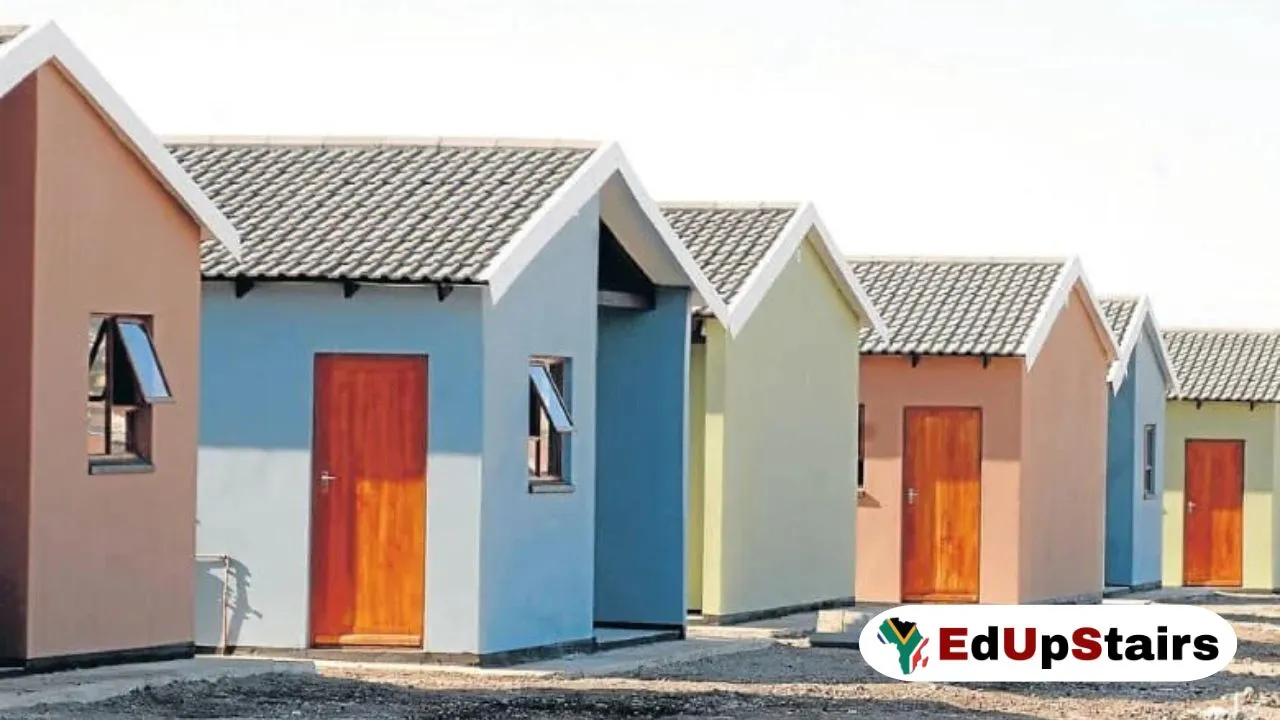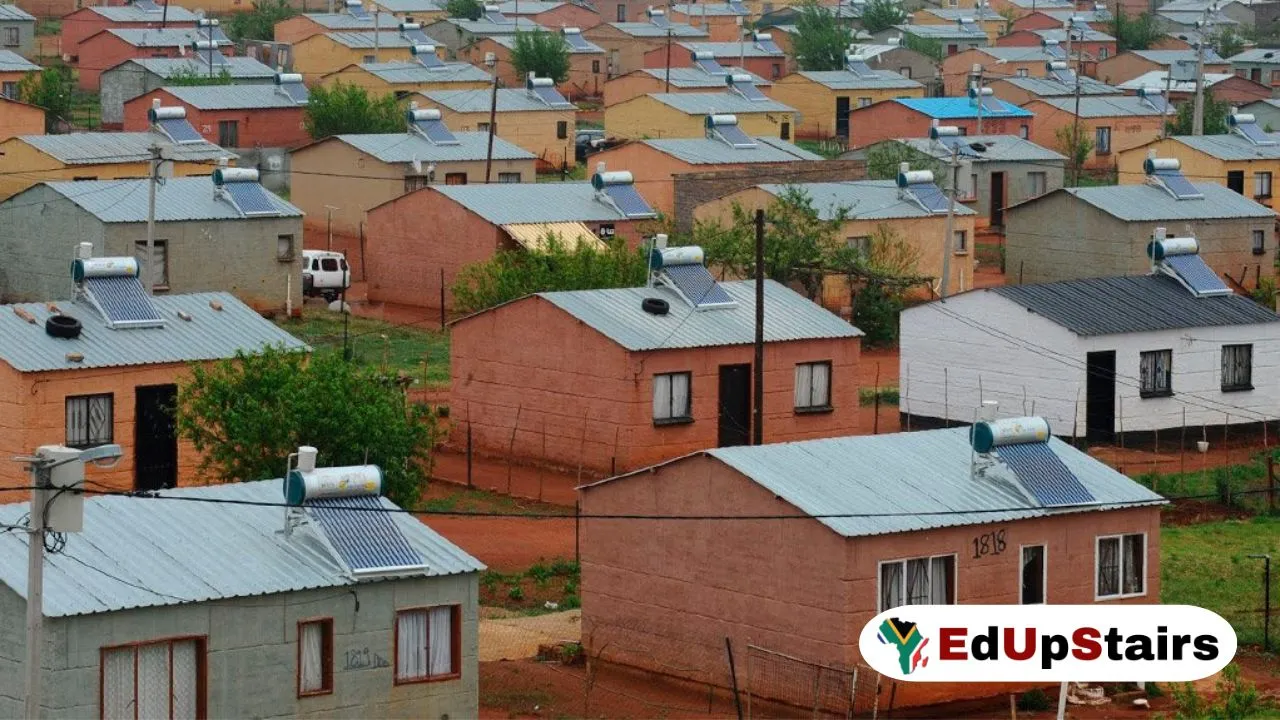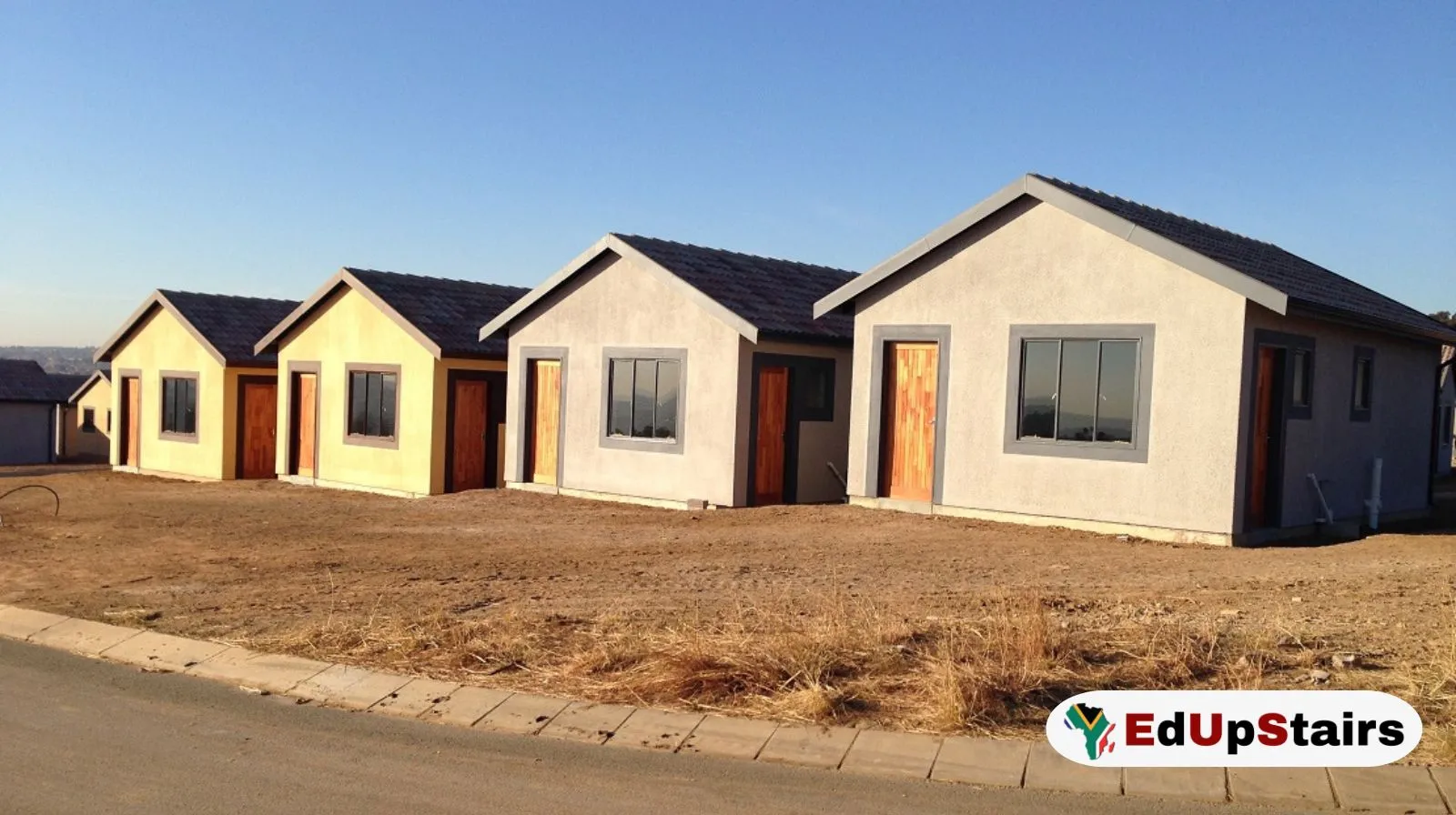

For many South Africans, receiving an RDP house is life-changing. It represents safety, stability, and the possibility of building a better future. However, because government housing demand is extremely high, authorities have strict verification processes in place to confirm who qualifies and who does not.
This verification process is one of the main reasons why some applications take years to finalize, while others are rejected, flagged, or delayed.
Many people assume that once they apply for an RDP house, approval is automatic. In reality, government departments conduct multiple checks before allocating a housing subsidy or property. These checks are designed to prevent fraud, duplicate applications, corruption, and unfair allocations.
Understanding how the verification system works can help applicants avoid mistakes that may delay their housing opportunities.
Quick Overview
| Topic | Details |
| Programme | RDP / Government Housing Verification |
| Managed By | Provincial Human Settlements Departments |
| Main Purpose | Verify if applicants qualify for government housing |
| Key Checks | Income, identity, marital status, property ownership, dependants |
| Common Databases Used | DHA, SASSA, SARS, Deeds Office, UIF |
| Main Risk Factors | Incorrect information, duplicate applications, undeclared property ownership |
| Verification Outcome | Approved, pending, blocked, or rejected |
What Is RDP Housing?
RDP housing refers to government-subsidised homes provided to qualifying low-income South Africans through housing programmes managed by the Department of Human Settlements.
These houses are usually intended for:
- Low-income households
- Unemployed individuals
- Vulnerable families
- South African citizens without property ownership
- People living in informal settlements or unsafe conditions
Although many people still call them “RDP houses,” government housing today includes several subsidy programmes beyond the original Reconstruction and Development Programme.
Why Government Verifies Beneficiaries
The government receives far more housing applications than available houses. Because of this, strict verification systems are necessary.
Authorities verify applicants to:
- Prevent housing fraud
- Stop duplicate applications
- Ensure fairness
- Confirm that beneficiaries meet legal requirements
- Prevent people from receiving multiple government houses
- Detect false information
- Ensure houses go to deserving families
Verification also helps identify cases where applicants:
- Already own property
- Earn above the income threshold
- Have previously benefited from housing subsidies
- Submitted fake documents
- Used incorrect identity details
The Main Government Departments Involved
Several government departments and systems may be involved during the verification process.
Department of Human Settlements
This department oversees housing subsidy programmes and housing allocations.
Department of Home Affairs
Home Affairs helps verify:
- Identity numbers
- Citizenship
- Marital status
- Death records
- Family information
South African Revenue Service
SARS may help verify:
- Employment records
- Tax information
- Income status
South African Social Security Agency
SASSA records may sometimes help confirm household vulnerability and income circumstances.
Deeds Office
The Deeds Office is used to check whether applicants already own property.
Step 1: Identity Verification
One of the first checks government performs is identity verification.
Authorities verify:
- Whether the ID number is valid
- Whether the applicant is alive
- Citizenship status
- Age
- Marital status
If an ID number has problems in the system, the application may be delayed or blocked.
Common issues include:
- Incorrect ID numbers
- Names that do not match Home Affairs records
- Duplicate identities
- Deceased status appearing incorrectly
- Multiple applications linked to one ID
This is why applicants are usually advised to ensure their Home Affairs records are correct before applying.
Step 2: Citizenship Checks
Government housing programmes are mainly intended for South African citizens and certain qualifying permanent residents.
Verification systems check:
- Citizenship status
- Permanent residency records
- Identity authenticity
If records cannot confirm citizenship or legal residency, the application may fail verification.
Step 3: Income Verification
Income verification is one of the most important parts of the process.
Government housing is intended for low-income households. Authorities therefore verify whether applicants fall within the qualifying income threshold.
This may involve:
- Salary verification
- UIF records
- Tax information
- Employer details
- Banking investigations in suspicious cases
Applicants who earn above the allowed threshold may not qualify for certain subsidy programmes.
Problems often occur when:
- Applicants understate their income
- Employment status changes
- Income records differ between departments
- Temporary work income appears in government databases
Step 4: Property Ownership Checks
Government checks whether applicants already own property or have benefited from previous housing subsidies.
This is done through property databases and Deeds Office records.
Applicants may be disqualified if they:
- Own a house
- Previously received an RDP house
- Benefited from a government subsidy before
- Are linked to inherited property in some cases
Many people are surprised to discover that inherited or family-linked properties may affect verification outcomes.
Step 5: Marital Status Verification
Marital status can affect housing applications.
Government systems may check whether applicants are:
- Married
- Divorced
- Widowed
- Single
This matters because:
- Household income may be assessed jointly
- Property ownership may involve spouses
- Previous housing benefits linked to spouses may affect eligibility
Problems sometimes happen when Home Affairs records are outdated.
For example:
- A divorce was never updated
- A spouse passed away but records remain active
- Marriage records are incorrect
Step 6: Dependants and Household Verification
Authorities may also verify:
- Number of dependants
- Children in the household
- Disability status
- Elderly dependants
This information may influence:
- Housing prioritisation
- Housing type
- Subsidy category
- Vulnerability assessments
Applicants may sometimes be asked to provide:
- Birth certificates
- Affidavits
- Proof of guardianship
- Disability documentation
Step 7: Duplicate Application Detection
Government systems attempt to detect duplicate applications.
This happens when:
- One person applies in multiple provinces
- Different people use the same address
- IDs are used repeatedly
- Multiple family members apply using conflicting information
Duplicate applications may trigger investigations and delays.
Why Some Applications Get Flagged
Applications may be flagged for several reasons.
Incorrect Personal Information
Small mistakes can create major delays.
Examples include:
- Wrong surname spelling
- Incorrect ID number
- Different names across documents
Property Ownership Conflicts
An applicant may unknowingly appear as a property owner.
Income Discrepancies
Government databases may show income even if the applicant believes they are unemployed.
Previous Housing Benefits
A previous subsidy linked to the applicant or spouse can affect approval.
Fraud Suspicion
Applications containing suspicious patterns may be investigated.
How Long Verification Can Take
Verification can take:
- Months
- Several years
- Even longer in high-demand areas
This depends on:
- Housing project availability
- Provincial backlogs
- Database delays
- Manual investigations
- Audits
- Land availability
Many applications remain “pending” because verification has not been completed fully.
Why Some People Receive Houses Faster Than Others
Several factors influence housing allocation speed:
- Age
- Disability status
- Vulnerability
- Provincial priorities
- Informal settlement upgrading programmes
- Emergency housing situations
- Availability of completed housing projects
Some applicants may also have older applications already verified years ago.
What Happens After Verification
Once verification is completed, applicants may:
- Be approved
- Be placed on a waiting list
- Be flagged for additional checks
- Be rejected
Approval does not always mean immediate allocation. Housing availability still depends on projects and budgets.
Can You Check Your RDP Housing Status?
Yes. In some provinces, applicants can check their housing status online or through local housing offices.
Status results may show:
- Approved
- Pending
- Waiting list
- Subsidy approved
- Beneficiary linked
- Application not found
Applicants should be cautious about unofficial websites claiming to offer housing approvals.
Common Mistakes Applicants Should Avoid
Providing False Information
False information can lead to permanent disqualification.
Using Incorrect Documents
Ensure all documents are certified and updated.
Failing to Update Personal Details
Changes in:
- Phone numbers
- Address
- Marital status
- Employment status
should be updated with relevant departments.
Ignoring Verification Requests
Government may request additional documents during investigations.
How Government Fights Housing Fraud
Housing fraud has become a major concern in South Africa.
Authorities now use:
- Digital verification systems
- Cross-department database matching
- Property ownership tracing
- Identity authentication
- Housing audits
This helps detect:
- Illegal house sales
- Fake beneficiaries
- Corrupt allocations
- Duplicate subsidies
What To Do If Your Application Has Problems
If your housing application is delayed or flagged:
- Visit your local Human Settlements office
- Verify your Home Affairs records
- Confirm your details are correct
- Request application updates
- Keep copies of all documents
- Ask whether additional documents are needed
Applicants should avoid paying individuals who promise to “speed up” housing approvals.
Related Articles:
What Happens If Two People Apply for Government Housing Using One Address in South Africa?
How South Africans Can Apply for BNG (Breaking New Ground) Housing in South Africa
How to Apply for Government Housing Subsidy in South Africa
South Africans Can Now Check Their RDP Housing Application Status Online Using Their ID Numbers
Edupstairs Advice
One of the biggest misunderstandings about RDP housing is that applying alone guarantees a house. In reality, government verification is extremely detailed and increasingly digital.
Many delays happen because:
- Government databases do not match
- Applicants forget to update records
- Old information remains active
- Property records create conflicts
South Africans applying for government housing should regularly verify:
- Their Home Affairs information
- Their employment status
- Property ownership records
- Contact information
It is also important to keep all housing reference numbers and copies of submitted documents safe.
Most importantly, applicants should avoid scams. No legitimate government official can sell or guarantee an RDP house in exchange for money.
Frequently Asked Questions
- Can I qualify if I am unemployed?
Yes. Many government housing programmes are intended for low-income and unemployed households.
- Can I apply if I already own land?
This depends on the subsidy programme and the type of ownership involved.
- Can married couples both apply separately?
Usually, housing applications consider household circumstances jointly.
- Can my application be rejected years later?
Yes. Verification may uncover issues long after the initial application.
- Does SASSA automatically qualify me for an RDP house?
No. SASSA grants and housing programmes are separate systems.
- What if my ID details are incorrect?
You should visit Home Affairs to correct your records as soon as possible.
Our Conclusion
Government verification of RDP housing beneficiaries is much more advanced than many people realise. Authorities use multiple databases and cross-check systems to ensure housing support goes to qualifying South Africans.
While the process can be slow and frustrating, verification helps reduce fraud and unfair allocations. Understanding how these checks work can help applicants avoid mistakes that may delay or block their housing opportunities.
For many families, ensuring that their information is accurate and updated is one of the most important steps toward successfully qualifying for government housing.
You can also:
- View latest Internships
- View latest Learnerships
- View Latest Bursaries
- View latest Government jobs
- View latest Company Vacancies
- View latest Municipality vacancies
- Visit the Edupstairs blog for daily updates
Disclaimer:
This article is for general informational purposes only and does not guarantee approval for any RDP housing or government subsidy programme. Verification processes and qualification requirements may change depending on government policies and provincial Human Settlements departments. Applicants should always confirm information through official government channels.
EDUPSTAIRS IS A REGISTERED NON-PROFIT ORGANISATION NPO No: 232 – 182, PUBLIC BENEFIT ORGANISATION (PBO): 930066984. EDUPSTAIRS DOES NOT, IN ANY WAY OR FORM, SOLICIT MONEY OR CV’S FROM PEOPLE FOR JOBS. PLEASE BE AWARE OF PHONY JOB POSTINGS AND RECRUITMENT FRAUD. USE THE EDUPSTAIRS SCAM DETECTOR TOOL TO SPOT A SCAM BEFORE YOU APPLY