
For millions of South Africans, receiving a government-subsidised home remains one of the most important opportunities to improve their quality of life. However, many applicants often become frustrated because they submit their applications and then wait for years without receiving clear updates.
One of the biggest misunderstandings about government housing is the belief that receiving a housing reference number automatically guarantees an immediate house. In reality, there is a formal waiting list and allocation process that determines who receives housing and when.
If you have applied for an RDP house, a Breaking New Ground (BNG) house, or any other government-subsidised housing programme, it is important to understand how the waiting list works.
This guide explains everything you need to know about the RDP housing waiting list in South Africa.
Quick Overview
What is the RDP Housing Waiting List?
The housing waiting list is a database of approved housing applicants maintained by provincial and municipal human settlements departments.
Who qualifies?
- South African citizens or permanent residents
- Individuals aged 18 years or older
- Applicants who have never benefited from a government housing subsidy before
- Applicants earning below the prescribed income threshold
How long is the waiting period?
- There is no guaranteed waiting period.
- Waiting times can range from a few years to over ten years depending on housing projects and demand.
Does a reference number mean you have been approved for a house?
- No.
- A reference number confirms your application has been captured.
Can applicants move up the list?
- Yes.
- Certain categories such as elderly persons, people with disabilities, military veterans, and vulnerable households may receive priority consideration.
What Is an RDP House?
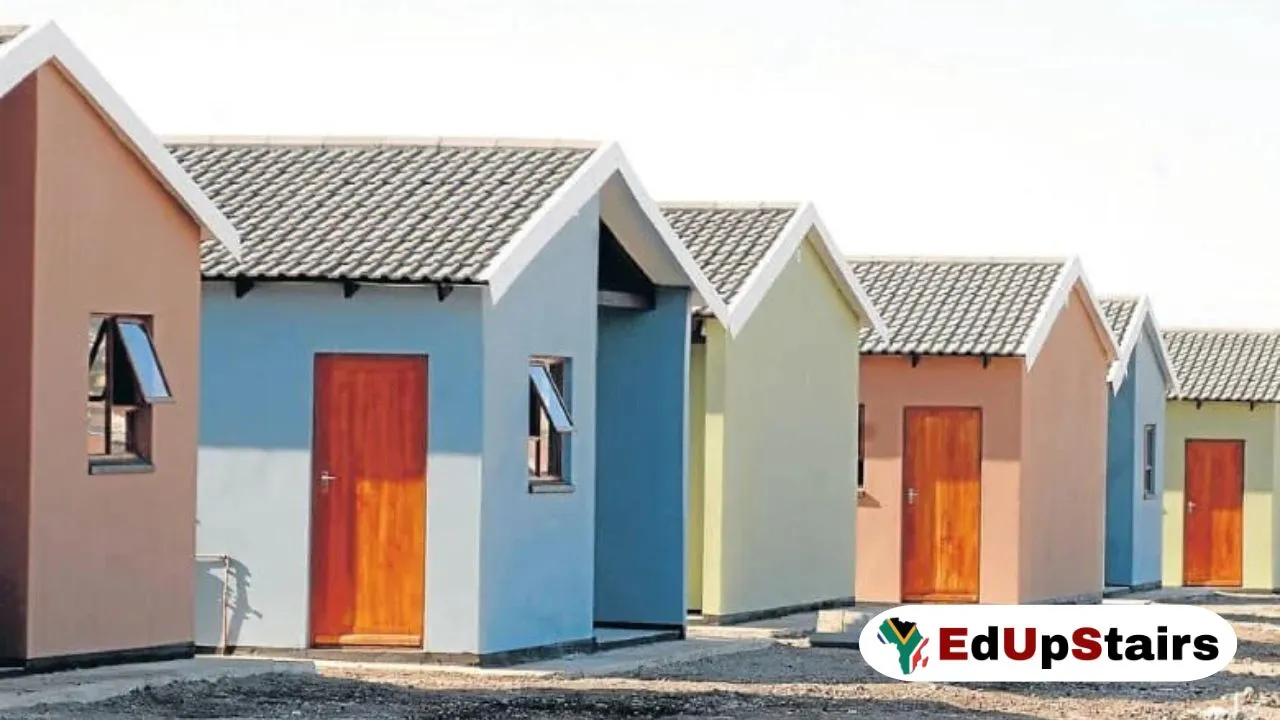
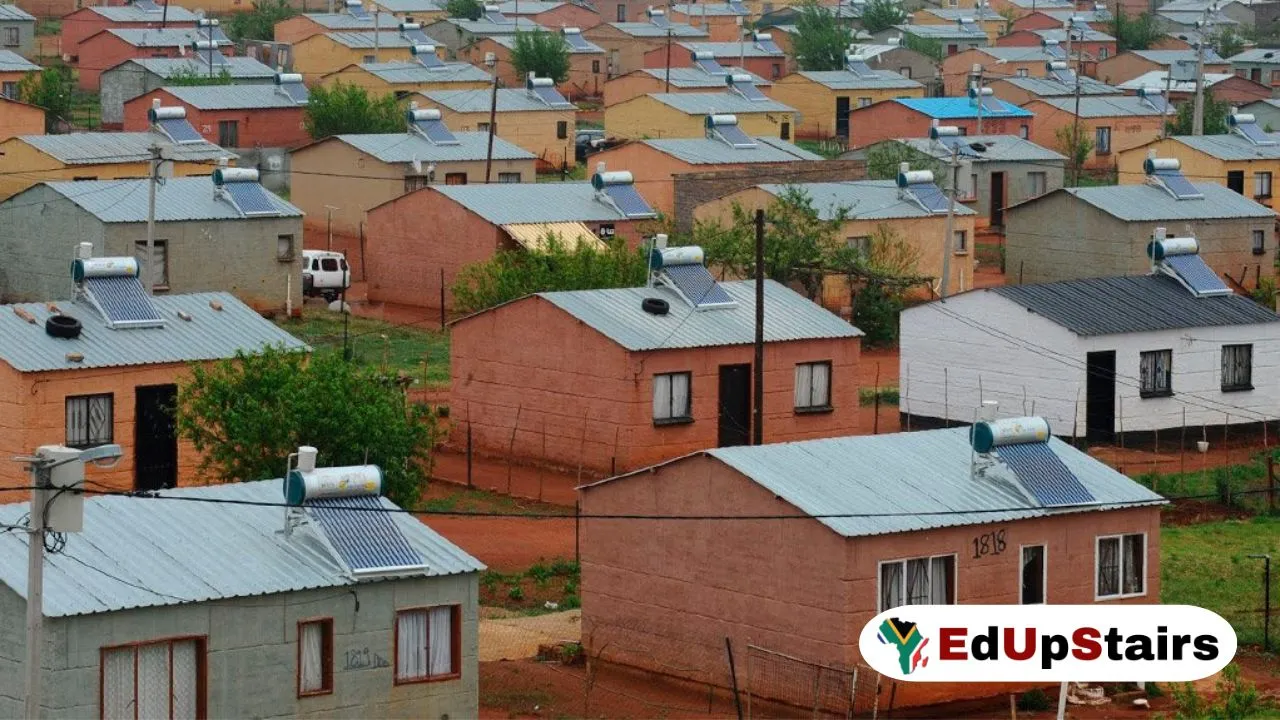
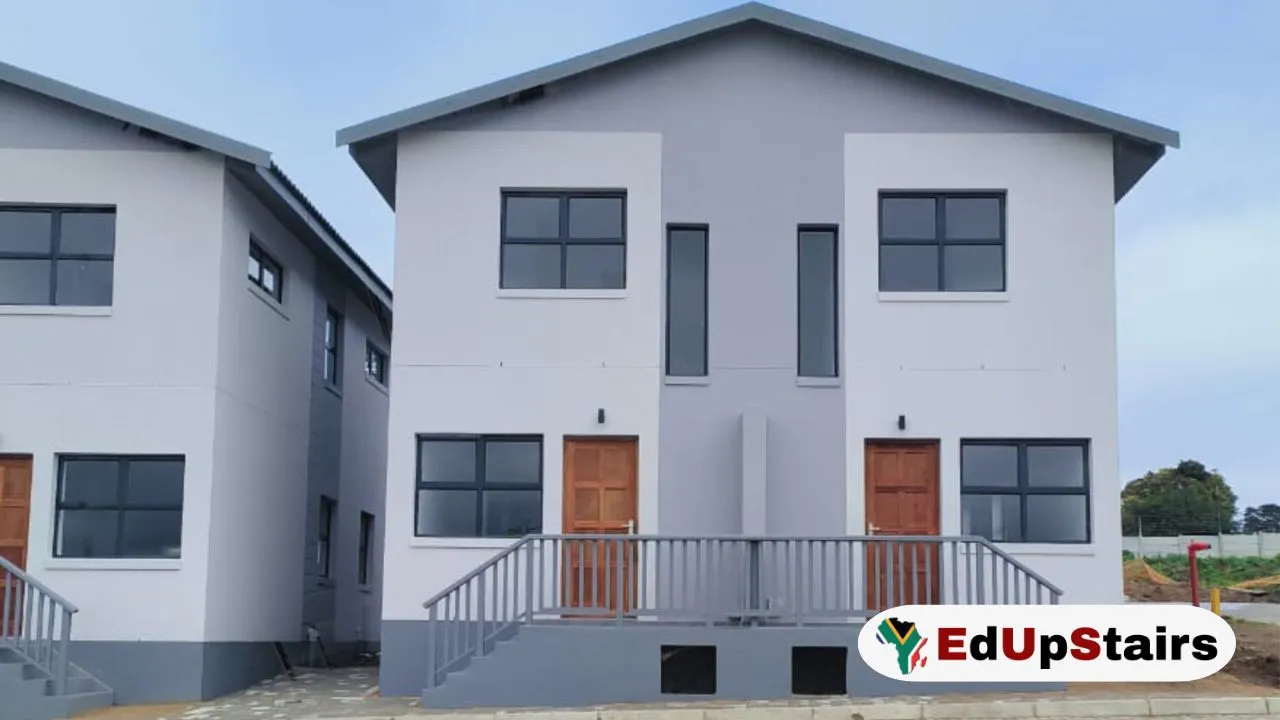
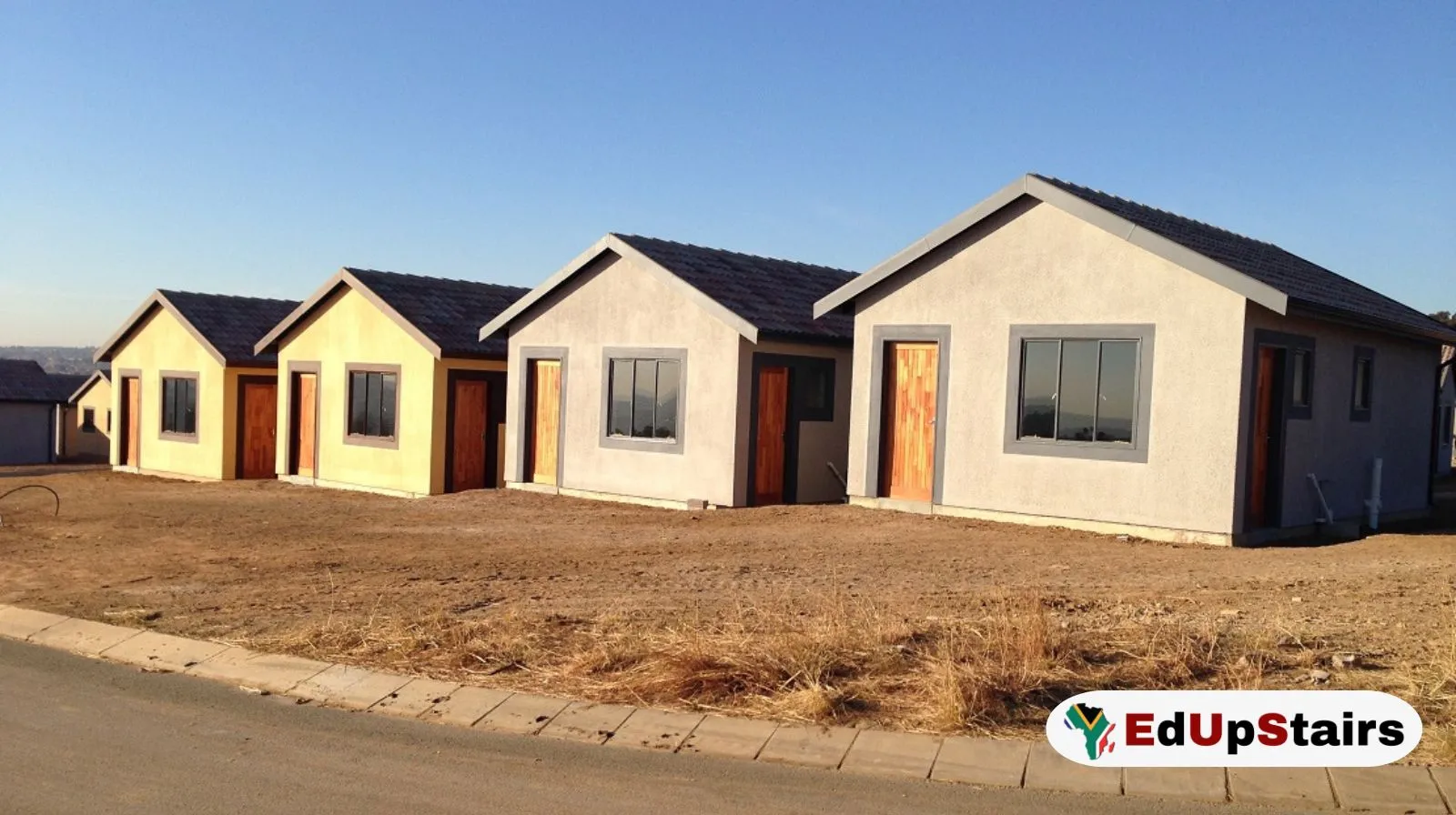
An RDP house is a government-subsidised house provided to qualifying low-income South Africans.
The programme was introduced after 1994 as part of South Africa’s housing development strategy to provide decent housing to citizens who cannot afford to purchase homes through the private market.
Today, RDP houses are generally delivered under the Breaking New Ground (BNG) Housing Programme administered by provincial departments responsible for human settlements.
The goal is to provide:
- Safe housing
- Secure land ownership
- Basic municipal services
- Improved living conditions
What Is the Housing Waiting List?
The housing waiting list is a record of people who have applied for government housing assistance.
When you submit an application, your details are captured on a housing database.
Your information may include:
- Full names
- ID number
- Contact details
- Residential address
- Marital status
- Number of dependents
- Income information
- Disability status
The purpose of the waiting list is to help government departments identify eligible beneficiaries when new housing projects become available.
How Are Housing Applications Processed?
Many people assume the waiting list works like standing in a queue where the first applicant automatically receives the next available house.
This is not always the case.
Housing allocation often depends on several factors, including:
Housing Project Availability
A house can only be allocated when a housing development project is completed.
If there are no active projects in your area, allocations may be delayed regardless of when you applied.
Municipal Planning
Housing developments are usually planned according to:
- Available land
- Budget allocations
- Infrastructure availability
- Provincial housing priorities
Verification Processes
Government departments must verify:
- Identity documents
- Income status
- Previous subsidy history
- Citizenship status
Applicants found to have incorrect information may be removed from consideration.
Why Do Some People Wait So Long?
One of the most common questions is:
“Why have I been waiting for many years?”
Several reasons contribute to long waiting periods.
High Demand
Millions of South Africans have applied for government housing.
The demand often exceeds the number of houses built each year.
Limited Budget
Housing projects require significant funding.
Government budgets must cover:
- Land acquisition
- Construction
- Infrastructure
- Service connections
Project Delays
Housing projects can be delayed due to:
- Contractor disputes
- Environmental approvals
- Land ownership issues
- Community disputes
- Infrastructure challenges
Updating of Beneficiary Lists
Housing departments regularly audit beneficiary databases to ensure allocations are fair and lawful.
These audits can affect waiting times.
Does Registration Date Guarantee Priority?
Not always. Although registration dates are important, housing allocations may also consider:
- Age
- Disability status
- Military veteran status
- Special housing needs
- Vulnerability of households
For example, an elderly applicant may receive priority over a younger applicant depending on the housing project and allocation criteria.
What Happens After You Apply?
After submitting your housing application:
- Step 1: Application Captured
Your details are recorded on the housing database.
You should receive a reference number or proof of application.
- Step 2: Verification
Officials verify your eligibility.
- Step 3: Waiting List Placement
Your application is added to the housing demand database.
- Step 4: Housing Project Matching
When a housing project becomes available, potential beneficiaries are identified.
- Step 5: Beneficiary Approval
Successful beneficiaries undergo further verification before allocation.
- Step 6: House Allocation
Approved beneficiaries receive information regarding occupancy and ownership processes.
How Can You Check Your Housing Status?
It is important to periodically check your application status.
You can do this by:
Visiting Your Municipality
Visit your local municipal housing office and request an update.
Contacting Provincial Human Settlements Offices
Each province has a Department of Human Settlements responsible for housing administration.
Using Online Housing Enquiry Systems
Some provinces offer online housing status enquiries.
Keeping Your Details Updated
If you change:
- Phone number
- Residential address
- Marital status
you should immediately inform the housing department.
Failure to update your information may result in missed opportunities.
Can You Lose Your Place on the Waiting List?
Yes. Applications can be affected if:
- Information provided is incorrect
- The applicant becomes deceased
- Duplicate applications are detected
- The applicant already received a housing subsidy elsewhere
Keeping your records accurate is extremely important.
What Is the National Housing Needs Register?
South Africa uses housing databases to help identify and track housing demand.
These systems help government departments:
- Assess housing needs
- Plan future projects
- Verify beneficiaries
- Reduce fraud
The information collected assists authorities in making housing allocations more transparent.
Common Mistakes Applicants Should Avoid
Many housing applicants unintentionally create delays by making simple mistakes.
Avoid the following:
- Not Updating Contact Details
Government officials may be unable to contact you.
- Losing Your Reference Number
Keep copies of all application documents.
- Submitting False Information
Providing incorrect information may lead to disqualification.
- Assuming Approval Means Immediate Allocation
Approval does not guarantee immediate housing delivery.
- Ignoring Municipal Notices
Housing departments often publish beneficiary lists and project announcements.
Stay informed about developments in your area.
What If You Suspect Unfair Housing Allocation?
If you believe housing allocations have been conducted unfairly, you may:
- Contact the municipal housing office
- Contact the provincial Department of Human Settlements
- Submit a formal complaint
- Report suspected fraud or corruption
Government departments are expected to investigate legitimate complaints.
Related Articles:
What Happens If Two People Apply for Government Housing Using One Address in South Africa?
How South Africans Can Apply for BNG (Breaking New Ground) Housing in South Africa
How Government Verifies RDP Housing Beneficiaries in South Africa
How to Apply for Government Housing Subsidy in South Africa
South Africans Can Now Check Their RDP Housing Application Status Online Using Their ID Numbers
Edupstairs Advice
The most important thing for housing applicants is patience and staying informed.
Many people mistakenly believe they have been forgotten because they have not received communication for several years. In reality, housing allocations depend on project availability, funding, verification processes, and housing priorities.
To improve your chances of receiving updates:
- Keep all application documents safe
- Update contact details regularly
- Check your housing status annually
- Follow announcements from your municipality
- Report any suspected fraud
Understanding how the waiting list works can help you avoid unnecessary frustration and ensure you remain eligible when opportunities become available.
Frequently Asked Questions (FAQ)
- How long does it take to get an RDP house?
There is no fixed waiting period. It can take several years depending on demand, housing projects, and available funding.
- Does a housing reference number mean I have been approved?
No. It only confirms that your application has been captured.
- Can I apply if I am unemployed?
Yes. Unemployed individuals may qualify if they meet other programme requirements.
- Can I apply in more than one municipality?
Generally, applicants should apply in the area where they reside and meet local requirements.
- Can I transfer my application to another province?
You may need to submit updated information and follow provincial procedures. Contact the relevant Human Settlements offices for guidance.
- What should I do if I change my phone number?
Immediately update your contact details with the housing department.
You can also:
- View latest Internships
- View latest Learnerships
- View Latest Bursaries
- View latest Government jobs
- View latest Company Vacancies
- View latest Municipality vacancies
- Visit the Edupstairs blog for daily updates
Disclaimer
This article is intended for general informational purposes only. Housing allocation policies, qualifying criteria, and waiting list procedures may differ between provinces and municipalities. Applicants should verify information directly with their local municipality or Provincial Department of Human Settlements.
EDUPSTAIRS IS A REGISTERED NON-PROFIT ORGANISATION NPO No: 232 – 182, PUBLIC BENEFIT ORGANISATION (PBO): 930066984. EDUPSTAIRS DOES NOT, IN ANY WAY OR FORM, SOLICIT MONEY OR CV’S FROM PEOPLE FOR JOBS. PLEASE BE AWARE OF PHONY JOB POSTINGS AND RECRUITMENT FRAUD. USE THE EDUPSTAIRS SCAM DETECTOR TOOL TO SPOT A SCAM BEFORE YOU APPLY