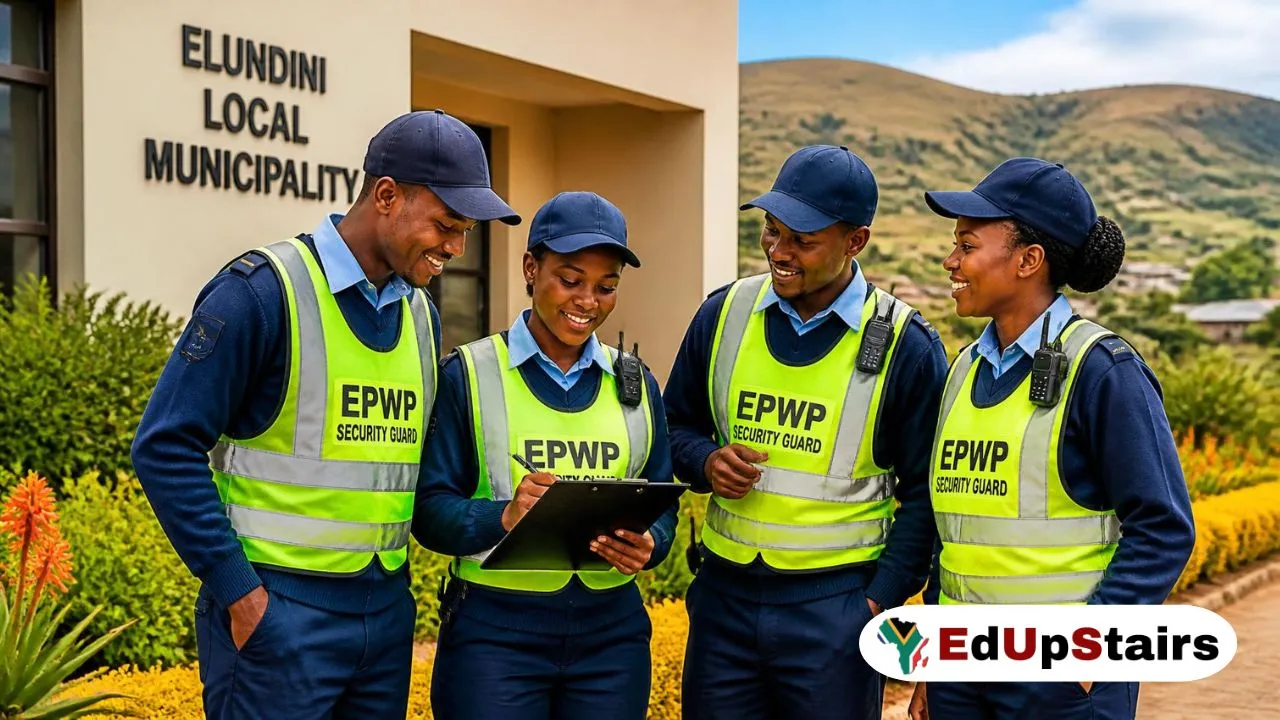

The Expanded Public Works Programme (EPWP) is one of South Africa’s largest public employment initiatives aimed at providing temporary work opportunities to unemployed citizens. Every year, thousands of South Africans secure EPWP positions through municipalities, government departments, schools, clinics, community projects, and non-profit organisations.
One of the most common questions asked by job seekers is:
“How much does EPWP pay?”
The answer is not always straightforward because EPWP stipends can vary depending on the project, location, funding allocation, and the number of working days offered.
This guide explains everything you need to know about EPWP stipends, how they are calculated, when payments are made, and what to expect before applying.
Quick Overview
- Programme: Expanded Public Works Programme (EPWP)
- Purpose: Temporary employment and skills development
- Employer: Government departments, municipalities, public entities, and approved organisations
- Duration: Usually 3 to 24 months depending on the project
- Payment Type: Daily wage or monthly stipend
- Payment Method: Bank account, EFT transfer, or approved payment systems
- Benefits: Work experience, income support, and skills development
What Is an EPWP Stipend?
An EPWP stipend is the payment participants receive for work performed under an approved EPWP project.
Unlike permanent employment salaries, EPWP payments are generally:
- Temporary
- Project-based
- Linked to days worked
- Subject to government wage guidelines
The purpose of the stipend is to provide income support while participants gain valuable work experience and skills.
How Much Does EPWP Pay?
The amount paid varies from one project to another.
Factors that influence payment include:
- Municipality budget
- Government department funding
- Type of project
- Number of working days
- Provincial allocations
- EPWP wage guidelines
Many EPWP projects pay participants according to a daily rate.
For example:
- Community work projects
- Environmental programmes
- Infrastructure projects
- Cleaning projects
- Data capturing projects
- School support programmes
The total monthly amount depends on the number of days worked during the month.
Why Do EPWP Stipends Differ?
Many applicants notice that one municipality may pay more than another.
This happens because:
Project Budgets Differ
Each project receives its own budget allocation.
A municipality with a larger budget may offer higher stipends than a smaller municipality.
Working Days Differ
Some projects offer:
- 2 days per week
- 3 days per week
- Part-time schedules
- Full-time schedules
More working days generally result in higher monthly earnings.
Different Sectors
EPWP includes several sectors:
- Infrastructure
- Environment and Culture
- Social Sector
- Non-State Sector
The payment structure can vary across these sectors.
How Are EPWP Payments Calculated?
Most projects calculate payments using:
Daily Rate × Number of Days Worked
For example:
If a participant works:
- 20 days in a month
- At an approved daily rate
The monthly payment is calculated based on those 20 days.
Participants are usually paid only for days worked and approved by project supervisors.
When Are EPWP Stipends Paid?
Payment schedules vary between projects.
Most projects pay:
- Monthly
- At the end of the month
- During the first week of the following month
Payments may sometimes be delayed due to:
- Verification processes
- Banking issues
- Outstanding attendance registers
- Administrative delays
- Budget approval processes
Participants should always keep their banking details updated.
How Are EPWP Participants Paid?
Most employers use electronic payments.
Common methods include:
- Bank Transfer (EFT)
The stipend is deposited directly into the participant’s bank account.
- Municipal Payment Systems
Some municipalities use approved payment platforms.
- Government Payment Systems
Certain government departments use their own payroll systems for EPWP workers.
Applicants are usually required to submit:
- Certified ID copy
- Bank confirmation letter
- Proof of account ownership
Do EPWP Participants Receive Benefits?
EPWP participants generally do not receive the same benefits as permanent employees.
In many projects, participants may not receive:
- Medical aid
- Pension contributions
- Housing allowance
- Annual bonuses
- Long-term employment benefits
However, participants benefit from:
- Work experience
- Skills training
- Income support
- Employment references
- Improved employability
Can EPWP Participants Receive Training?
Yes. Many EPWP projects include training opportunities designed to improve employability.
Training may include:
- Computer literacy
- Customer service
- Occupational health and safety
- Life skills
- Data capturing
- Basic administration
- Community development skills
These skills can help participants secure future employment opportunities.
What Happens If You Miss Work?
Attendance is extremely important.
If a participant:
- Misses work without approval
- Fails to sign attendance registers
- Leaves the project early
Their stipend may be reduced.
Project managers use attendance records to verify payment amounts.
Always notify your supervisor if you cannot attend work.
Are EPWP Stipends Taxable?
Tax treatment depends on:
- Total earnings
- Applicable tax regulations
- Government guidelines
Most EPWP participants earn below normal taxable thresholds, but regulations may change over time.
If you are unsure, consult:
- Your project administrator
- Payroll officer
- Tax professional
Can You Receive SASSA While Working on EPWP?
This depends on:
- The type of SASSA grant
- Your income level
- Grant eligibility rules
Certain grants may be affected by income received through employment opportunities.
Participants should report income where required and consult official SASSA channels for guidance.
Can EPWP Lead to Permanent Employment?
Many participants use EPWP opportunities as stepping stones to permanent jobs.
Employers often value:
- Proven work experience
- Good attendance records
- References from supervisors
- Skills acquired during projects
To improve your chances:
- Arrive on time
- Perform duties professionally
- Complete training opportunities
- Maintain a positive attitude
- Build strong workplace references
Common EPWP Payment Challenges
Some participants experience payment issues.
Common reasons include:
- Incorrect banking details
- Missing attendance registers
- Delayed project reporting
- Administrative backlogs
- Incomplete documentation
To avoid problems:
- Keep copies of all documents
- Verify banking information
- Regularly communicate with supervisors
- Track attendance records
Documents Needed for EPWP Payments
Participants are often required to provide:
- South African ID
- Proof of residence
- Bank account confirmation letter
- Certified qualifications (where applicable)
- Signed attendance registers
- Tax information if requested
Keeping these documents ready can prevent payment delays.
How to Increase Your Chances of Future EPWP Opportunities
Successful participants often:
- Complete their contracts professionally
- Obtain reference letters
- Update their CV regularly
- Apply for other government opportunities
- Register on municipal databases
- Monitor new EPWP advertisements
You can also use the Edupstairs CV Builder and Application Tools to prepare for future opportunities.
Related Articles:
EPWP Requirements by Municipalities in South Africa: A Complete Guide for Job Seekers
EPWP Documents Readiness Checklist: Everything You Need Before Applying
Interview Questions and Answers for EPWP Jobs in South Africa: A Complete Guide
How to Write a Winning Motivational Letter for EPWP Job Opportunities in South Africa
How to Write a Winning CV for EPWP Job Opportunities in South Africa
EPWP Jobs in South Africa: Full List of Municipal Opportunities for Unemployed Youth
Edupstairs Advice
Never apply for EPWP opportunities solely because of the stipend amount. The real value of EPWP lies in the work experience, references, skills development, and networking opportunities you gain while participating.
Many South Africans have successfully used EPWP experience to secure permanent employment in municipalities, government departments, schools, clinics, and private companies. Treat every EPWP opportunity as a stepping stone toward your long-term career goals.
Frequently Asked Questions (FAQs)
- Is an EPWP stipend the same as a salary?
No. An EPWP stipend is a temporary payment linked to a specific public employment project.
- Do all EPWP workers earn the same amount?
No. Payment amounts differ depending on the project, employer, and funding allocation.
- How often are EPWP stipends paid?
Most projects pay monthly.
- Can EPWP participants be dismissed?
Yes. Failure to comply with project rules or attendance requirements may result in removal from the programme.
- Can EPWP experience be added to a CV?
Absolutely. EPWP experience is valuable work experience and should be included on your CV.
- Does EPWP guarantee permanent employment?
No. EPWP provides temporary work opportunities and skills development, but it does not guarantee permanent employment.
You can also:
- View latest Internships
- View latest Learnerships
- View Latest Bursaries
- View latest Government jobs
- View latest Company Vacancies
- View latest Municipality vacancies
- Visit the Edupstairs blog for daily updates
Disclaimer
EPWP stipends, payment schedules, and employment conditions may differ between municipalities, government departments, and individual projects. Applicants should always refer to the official advertisement or project coordinator for the most accurate and up-to-date information.
EDUPSTAIRS IS A REGISTERED NON-PROFIT ORGANISATION NPO No: 232 – 182, PUBLIC BENEFIT ORGANISATION (PBO): 930066984. EDUPSTAIRS DOES NOT, IN ANY WAY OR FORM, SOLICIT MONEY OR CV’S FROM PEOPLE FOR JOBS. PLEASE BE AWARE OF PHONY JOB POSTINGS AND RECRUITMENT FRAUD. USE THE EDUPSTAIRS SCAM DETECTOR TOOL TO SPOT A SCAM BEFORE YOU APPLY