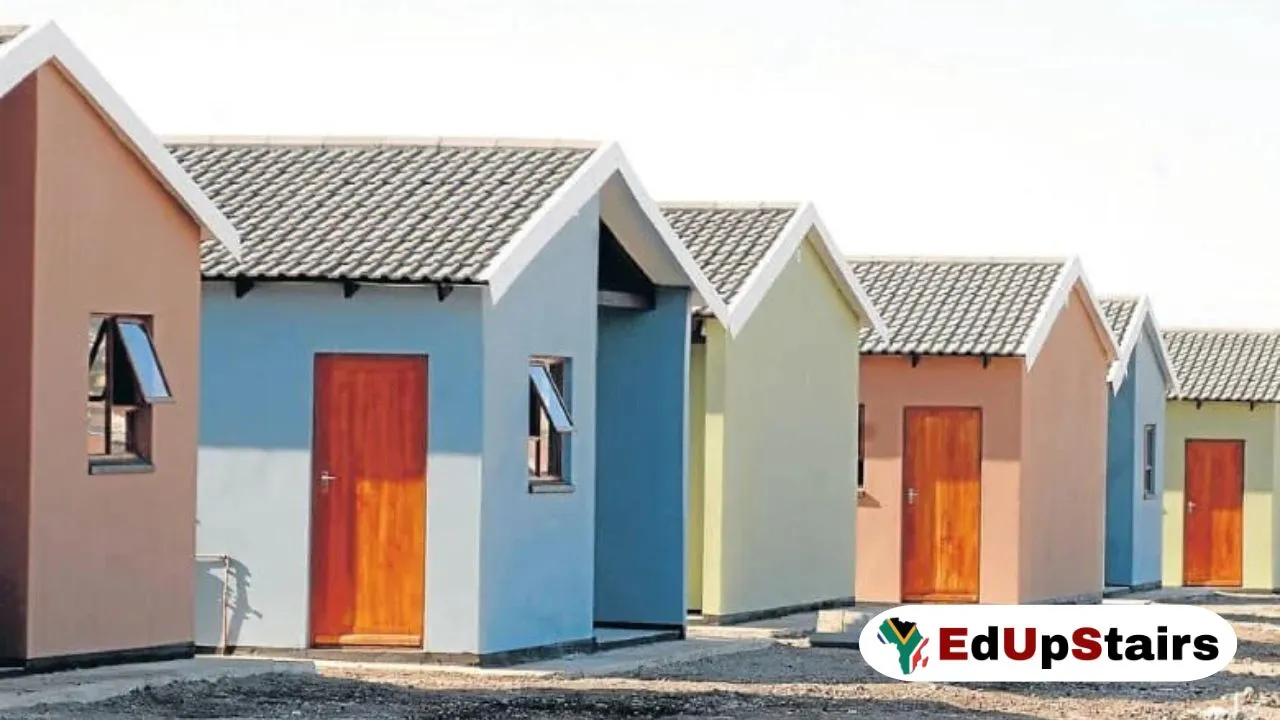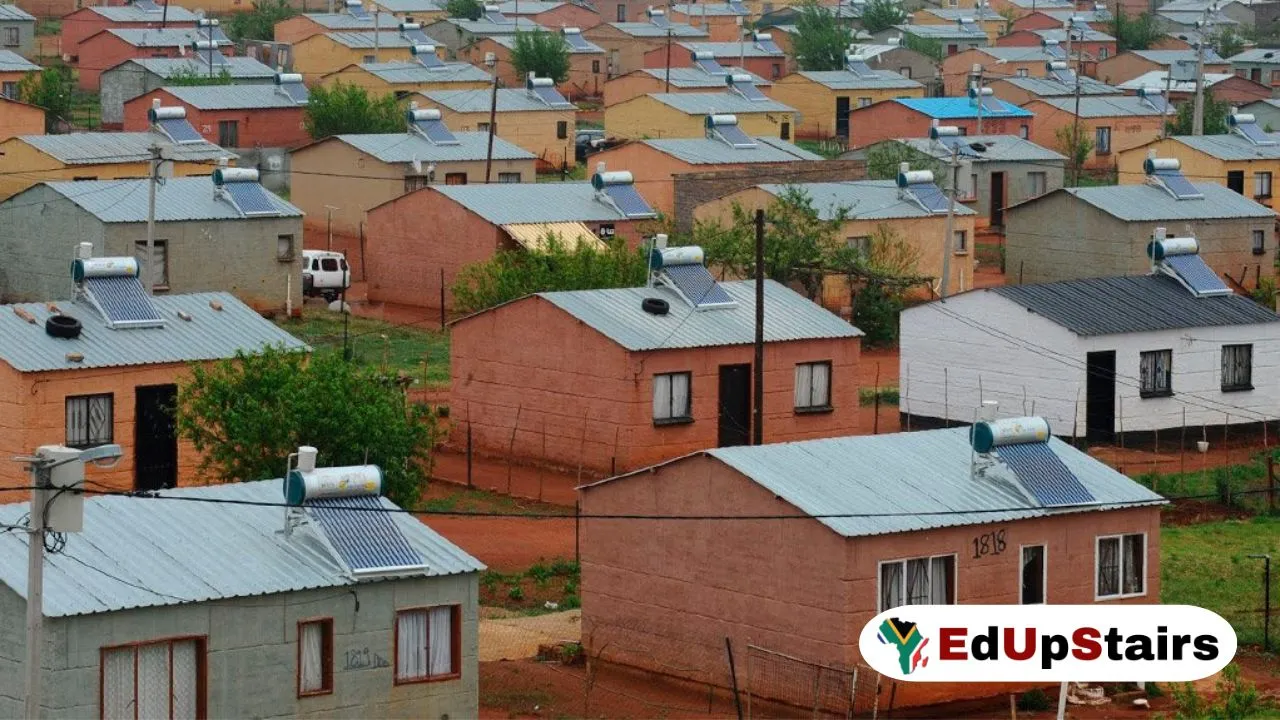

For many South Africans, receiving an RDP house represents stability, dignity, and hope for a better future. Yet one of the biggest frustrations among applicants is seeing some people receive houses sooner while others remain on waiting lists for years — sometimes even decades.
This has created confusion, anger, and suspicion in many communities. Some people believe corruption is the only reason. Others think the system is completely random. In reality, there are several factors that influence how quickly someone may receive an RDP house or government housing subsidy.
Understanding these factors can help applicants better manage expectations, avoid misinformation, and make sure their applications are correctly processed.
Quick Overview
| Topic | Information |
| Programme | RDP Housing / Government Subsidised Housing |
| Managed By | Provincial Human Settlements Departments & Municipalities |
| Main Purpose | Provide housing assistance to qualifying low-income South Africans |
| Common Delays | Incomplete applications, verification issues, land shortages, project delays |
| Faster Approvals Often Linked To | Priority groups, correct documentation, older applications, special needs categories |
| Application Requirement | South African citizenship or permanent residency, qualifying income level |
| Status Checks | Usually through municipal offices or the Housing Subsidy System (HSS) |
What Is an RDP House?
An RDP house refers to a government-subsidised house provided to qualifying low-income households in South Africa. Although many people still call them “RDP houses,” the programme today falls under broader human settlements and housing subsidy programmes managed by provincial governments and municipalities.
The housing programme aims to assist vulnerable South Africans who cannot afford private housing.
In most cases, applicants must:
- Be South African citizens or permanent residents
- Be over 18 years old
- Have dependents or qualify under special categories
- Earn below the qualifying household income threshold
- Not have previously benefited from a government housing subsidy
Why Some People Get Houses Faster
Many people assume there is a single reason why some applications move quicker than others. However, housing allocation is influenced by several administrative, legal, and social factors.
-
Some Applicants Belong to Priority Groups
One of the biggest reasons certain people receive housing faster is because government policy prioritises vulnerable groups.
Priority categories may include:
- Elderly persons
- People living with disabilities
- Child-headed households
- Military veterans
- People displaced by disasters
- Informal settlement residents in urgent danger
- Families living in unsafe conditions
In many housing projects, municipalities are instructed to allocate a percentage of homes specifically to vulnerable groups.
This means two applicants who applied at the same time may not necessarily move through the process equally.
-
Older Applications Usually Receive Preference
The date of application matters significantly.
Housing waiting lists are often processed according to:
- Date of registration
- Area demand
- Project availability
- Verification status
Someone who applied in 2001 may naturally be processed before someone who applied in 2022, even if both currently live in similar conditions.
However, this does not always happen perfectly because some projects are linked to:
- Specific municipalities
- Specific settlements
- Relocation programmes
- Emergency housing interventions
-
Some Applications Have Missing or Incorrect Information
One of the most common reasons for delays is incomplete application information.
Many applicants unknowingly experience delays because:
- ID numbers were captured incorrectly
- Contact details changed
- Marital status changed
- Supporting documents are missing
- Household information was never updated
- The applicant moved to another municipality
In some cases, officials struggle to contact applicants because:
- Phone numbers no longer work
- Applicants relocated
- Addresses changed
If the department cannot verify information, the process may stall.
-
Housing Projects Are Not Available Everywhere at the Same Time
Housing delivery depends heavily on:
- Available land
- Infrastructure
- Municipal budgets
- Contractors
- Provincial funding
- Environmental approvals
Some municipalities simply build houses faster than others.
A person living in an area with active housing developments may receive assistance sooner than someone in an area facing:
- Land disputes
- Infrastructure shortages
- Construction delays
- Budget problems
- Legal challenges
This explains why some provinces or municipalities appear to move faster than others.
-
Some Communities Are Part of Relocation Projects
People living in informal settlements, flood-prone areas, or dangerous conditions are sometimes prioritised under emergency relocation programmes.
For example:
- Flood victims
- Fire victims
- Residents near unstable land
- Communities affected by major infrastructure projects
These projects can move faster because they are treated as urgent interventions rather than ordinary waiting-list allocations.
-
Verification and Fraud Checks Can Delay Applications
Government departments conduct various verification checks before approving beneficiaries.
These checks may include:
- Identity verification
- Marital status verification
- Property ownership checks
- Income verification
- Previous subsidy checks
If the system detects possible issues, the application may be flagged for further investigation.
For example:
- The applicant may already appear as a homeowner
- The applicant may have previously benefited from housing assistance
- Information may not match Home Affairs records
These investigations can significantly slow down the process.
-
Some People Update Their Information Regularly
Applicants who actively keep their information updated are often easier to process.
This includes:
- Updating cellphone numbers
- Reporting address changes
- Updating marital status
- Checking application status regularly
Some applicants disappear from the system simply because officials cannot trace them when projects begin.
-
Corruption and Queue Jumping Sometimes Occur
While not every case involves corruption, there have been documented cases where:
- Officials manipulated beneficiary lists
- Ineligible people received houses
- Houses were illegally sold
- Political favouritism influenced allocations
This is one reason communities sometimes protest housing allocations.
However, it is important not to assume every faster allocation is corruption. Many legitimate factors also influence prioritisation.
How the Housing Allocation Process Usually Works
The housing process often follows several stages:
Stage 1: Application Registration
The applicant submits housing application details to the municipality or provincial housing department.
Stage 2: Waiting List Capture
Information is added to the housing database.
Stage 3: Verification
Government verifies eligibility and checks for previous benefits.
Stage 4: Project Planning
Housing developments are planned based on budgets and land availability.
Stage 5: Beneficiary Selection
Qualifying beneficiaries are selected for specific projects.
Stage 6: Construction and Allocation
Homes are built and allocated to approved beneficiaries.
Because each stage depends on multiple departments, delays are very common.
Why Some Applicants Wait for Many Years
There are several reasons some people remain on waiting lists for long periods.
These include:
- Housing shortages
- Rapid urbanisation
- Population growth
- Limited municipal budgets
- Slow infrastructure development
- High unemployment and poverty levels
- Backlogs from previous decades
In major urban areas, housing demand is often far greater than available supply.
How to Improve Your Chances of Avoiding Delays
Applicants cannot always speed up the process, but they can reduce avoidable delays.
Keep Your Details Updated
Always update:
- Phone numbers
- Addresses
- Marital status
- Household changes
Keep Copies of Your Documents
Store:
- Application receipts
- Reference numbers
- Certified ID copies
- Correspondence from the municipality
Check Your Housing Status Regularly
Regular status checks may help identify problems early.
Avoid Scams
No legitimate official should ask for payment to “push” your application forward.
Be careful of:
- Fake agents
- Corrupt middlemen
- Fraudulent housing promises
Common Misunderstandings About RDP Houses
“Everyone Gets a House Automatically”
Not everyone automatically qualifies. Eligibility rules still apply.
“Connections Always Matter”
While corruption does happen in some cases, many faster allocations are linked to policy-based priority categories.
“Applying Twice Makes It Faster”
Duplicate applications can actually create confusion and delays.
“You Can Sell the House Immediately”
Government-subsidised houses have restrictions, especially during the early years after allocation.
Why Housing Backlogs Remain a Major National Issue
South Africa’s housing demand remains extremely high due to:
- Unemployment
- Migration into cities
- Informal settlement growth
- Rising living costs
- Population increases
This places enormous pressure on municipalities and provincial housing departments.
Even when thousands of houses are built annually, demand often continues growing faster than supply.
What Applicants Should Focus On
Instead of relying on rumours, applicants should focus on:
- Ensuring their information is accurate
- Following official procedures
- Keeping records safe
- Monitoring project announcements
- Avoiding scams
Understanding how the system works can help reduce confusion and unrealistic expectations.
Edupstairs Advice
Many South Africans become discouraged after years of waiting for housing assistance. While delays are frustrating, applicants should continue keeping their information updated and checking their application status through official channels.
Avoid relying on rumours, social media misinformation, or individuals claiming they can speed up housing allocations for money. In many cases, these are scams targeting vulnerable applicants.
It is also important to understand that housing delivery depends on many factors beyond the applicant’s control, including budgets, land availability, infrastructure development, and project planning.
Applicants who remain informed and organised are usually in a stronger position when opportunities become available.
Frequently Asked Questions
- Can I check my RDP housing status online?
In some provinces and municipalities, applicants may check their housing status online using official systems such as the Housing Subsidy System (HSS) or municipal housing portals.
- Does applying earlier guarantee faster allocation?
Earlier applications generally receive consideration first, but other factors like project availability and priority categories also matter.
- Can unemployed people qualify for RDP houses?
Yes, low-income and unemployed individuals may qualify if they meet the programme requirements.
- Can someone lose their place on the waiting list?
Applications may experience problems if personal details become outdated or verification issues arise.
- Is it legal to buy or sell an RDP house?
There are legal restrictions regarding the sale of subsidised houses, especially within certain periods after allocation.
You can also:
- View latest Internships
- View latest Learnerships
- View Latest Bursaries
- View latest Government jobs
- View latest Company Vacancies
- View latest Municipality vacancies
- Visit the Edupstairs blog for daily updates
Disclaimer
This article is for general informational purposes only and does not guarantee housing approval or allocation. Housing policies and processes may differ between provinces and municipalities in South Africa.
EDUPSTAIRS IS A REGISTERED NON-PROFIT ORGANISATION NPO No: 232 – 182, PUBLIC BENEFIT ORGANISATION (PBO): 930066984. EDUPSTAIRS DOES NOT, IN ANY WAY OR FORM, SOLICIT MONEY OR CV’S FROM PEOPLE FOR JOBS. PLEASE BE AWARE OF PHONY JOB POSTINGS AND RECRUITMENT FRAUD. USE THE EDUPSTAIRS SCAM DETECTOR TOOL TO SPOT A SCAM BEFORE YOU APPLY