
Every year, millions of South Africans apply for social grants, jobs, bursaries, housing opportunities, driver’s licences, university admission, government services, and financial assistance programmes. However, many applications are delayed, declined, or flagged because applicants do not understand how government verification systems work.
Government departments increasingly rely on digital verification systems to confirm identity, income, employment status, qualifications, banking information, and eligibility before approving applications.
Whether you are applying for a SASSA grant, NSFAS funding, a government job, an RDP house, UIF benefits, or a driver’s licence, understanding these verification systems can help you avoid unnecessary delays and improve your chances of a successful application.
This guide explains the most important government verification systems every South African should know about and how they affect ordinary citizens.
Quick Overview
Topic: Government Verification Systems in South Africa
Who Should Read This:
- Job seekers
- Students
- SASSA beneficiaries
- NSFAS applicants
- UIF claimants
- Homeowners applying for housing subsidies
- South Africans using government services
Why It is Important:
- Prevent application delays
- Avoid fraud-related issues
- Ensure personal details are correct
- Improve chances of approval
Main Verification Areas:
- Identity verification
- Income verification
- Employment verification
- Banking verification
- Qualification verification
- Housing verification
- Social grant verification
What Are Government Verification Systems?
Government verification systems are databases and electronic processes used by government departments to confirm whether information submitted by applicants is accurate.
In simple terms, when you submit an application, the government does not simply accept the information provided. Various systems are used to verify whether the information matches official records.
These systems help government departments:
- Prevent fraud
- Reduce corruption
- Ensure benefits go to eligible people
- Improve service delivery
- Protect public funds
As government services become increasingly digital, verification has become one of the most important parts of any application process.
-
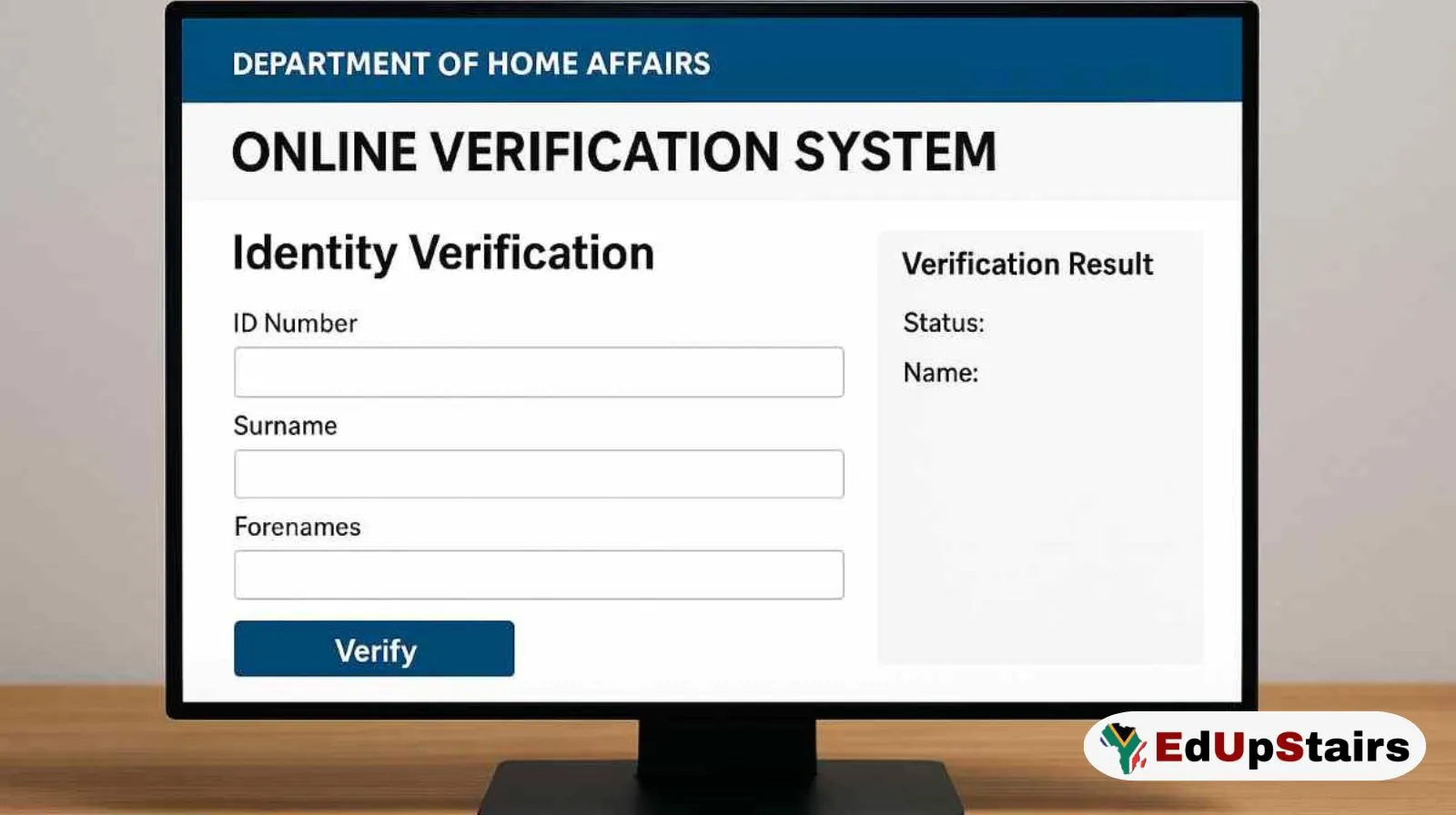
Department of Home Affairs Identity Verification
The most widely used verification system in South Africa is the identity verification process managed by the Department of Home Affairs.
Almost every government department relies on Home Affairs records to verify:
- Identity numbers
- Citizenship status
- Names and surnames
- Date of birth
- Marital status
- Death records
Why This is Important
If your details at Home Affairs are incorrect, multiple applications may be affected.
Common issues include:
- Incorrect names
- Duplicate records
- Missing identity records
- Delayed ID updates
This can affect applications for:
- SASSA grants
- NSFAS funding
- Government jobs
- Driver’s licences
- UIF claims
-
SASSA Verification Systems
The South African Social Security Agency uses multiple verification systems to determine whether applicants qualify for grants.
Verification checks may include:
- Identity verification
- Income verification
- Employment status
- Banking information
- Citizenship status
- Death records
Grants Commonly Verified
- Older Person’s Grant
- Disability Grant
- Child Support Grant
- Foster Child Grant
- Care Dependency Grant
- Social Relief of Distress (SRD) Grant
Why Applications Get Declined
Many applications fail because verification systems detect:
- Undeclared income
- Active employment records
- Incorrect banking details
- Mismatched personal information
Keeping your details updated is essential.
-
UIF Employment Verification
The Unemployment Insurance Fund relies heavily on employment verification.
Before approving benefits, UIF checks:
- Employment history
- Contributions made by employers
- Salary records
- Termination details
- Employer declarations
Common UIF Verification Problems
- Employers failing to submit declarations
- Incorrect salary information
- Missing contribution records
- Identity mismatches
Applicants should regularly check that their UIF records are accurate.
-
NSFAS Income Verification System
Many students assume NSFAS simply approves applications based on information provided by applicants.
In reality, NSFAS conducts extensive verification.
Information Verified
- Household income
- Parent or guardian earnings
- SASSA beneficiary status
- Employment records
- Tax records
Why Students Get Rejected
Common reasons include:
- Income exceeding thresholds
- Incomplete information
- Verification discrepancies
- Missing supporting documents
Understanding this verification process can help students prepare stronger applications.
-
SARS Income Verification
The South African Revenue Service plays a major role in government verification.
Government institutions frequently rely on SARS information to verify:
- Tax registration status
- Income declarations
- Employment income
- Business ownership
- Tax compliance
Why It is Important
SARS records may influence:
- NSFAS applications
- Government tenders
- Funding applications
- Financial assistance programmes
Even individuals who are not actively paying tax may have records linked to employment history.
-
Banking Verification Systems
Government departments increasingly verify bank accounts electronically.
This helps ensure that payments are sent to the correct beneficiaries.
Information Checked
- Account ownership
- ID number matching
- Bank account status
- Active banking details
Common Problems
- Using another person’s bank account
- Incorrect account numbers
- Closed accounts
- Name mismatches
These issues often result in delayed payments.
-
SAQA Qualification Verification
The South African Qualifications Authority verifies qualifications submitted by applicants.
Employers and government departments often use this system to confirm:
- Diplomas
- Certificates
- Degrees
- Professional qualifications
Why Verification is Important
Qualification fraud has become a serious issue.
As a result, many employers now verify qualifications before:
- Hiring staff
- Offering internships
- Awarding bursaries
- Approving promotions
Applicants should always ensure that qualifications are genuine and accurately represented.
-
Government Housing Verification Systems
Housing applications undergo multiple verification checks before approval.
Authorities may verify:
- Identity information
- Income status
- Property ownership
- Marital status
- Previous housing subsidies
Common Reasons for Delays
- Duplicate applications
- Incomplete information
- Incorrect identity records
- Changes in marital status
Applicants should regularly check the status of housing applications through official housing systems.
-
Public Service Recruitment Verification
Government departments use extensive verification before appointing employees.
Checks may include:
- Criminal record screening
- Qualification verification
- Citizenship confirmation
- Employment history verification
- Reference checks
Why This Is Important
Many applicants are shortlisted but later disqualified when verification reveals inconsistencies.
Always ensure information on your CV matches official records.
-
Biometric Verification Systems
Biometric verification is becoming increasingly common across government services.
This technology may use:
- Fingerprints
- Facial recognition
- Identity matching systems
Current Uses
Biometric systems are increasingly used for:
- Social grant verification
- Identity confirmation
- Fraud prevention
- Public service delivery
Government departments continue expanding the use of biometric technology to improve security.
How to Avoid Verification Problems
You can reduce application delays by taking a few simple steps.
Check Your Information Regularly
Ensure your:
- ID details are correct
- Contact information is updated
- Banking details are accurate
Keep Important Documents Safe
Maintain copies of:
- Identity documents
- Academic records
- Proof of residence
- Employment records
- Banking documents
Report Errors Immediately
If you notice incorrect information on any government system, contact the relevant department as soon as possible.
Be Honest on Applications
Never provide false information.
Modern verification systems can quickly identify discrepancies between applications and official records.
The Future of Government Verification in South Africa
South Africa is moving toward increasingly integrated digital government services.
Future verification systems are likely to include:
- Expanded biometric verification
- Real-time database integration
- Digital identity solutions
- Faster online approvals
- Improved fraud detection
While these systems may make applications more secure, they will also place greater importance on keeping personal records accurate.
Related Articles:
Government Job Reference Numbers Explained: A Complete Guide for South African Job Seekers
Interview Questions and Answers for Government Jobs in South Africa: A Complete Guide
How to Write a Winning Motivational Letter for Government Jobs in South Africa
How to Write a Winning CV for Government Jobs in South Africa
How to Check What Government Systems Say About You in South Africa
How to Know If Your Details Match Government Records in South Africa
South African Job-Seekers Urgently Advised to Register on the ESSA System to Access Government Jobs
The Hidden Government Opportunities Most Youth Are Missing in 2026
What Government HR Looks for First When Reviewing Your Application in 2026
Government’s New Central Application System (CAS): What Students Must Know
Why Some Government Jobs Are Advertised but Already Have Candidates
Most People Fill the Z83 Application Form WRONG – Here’s How to Fix It
Government Jobs in South Africa That Require Grade 12 Only (2026 Guide)
Edupstairs Advice
One of the biggest mistakes South Africans make is assuming that government departments only rely on information submitted during applications. In reality, most departments use multiple verification systems that communicate with one another.
Before applying for grants, jobs, bursaries, housing opportunities, or government programmes, take time to ensure your personal information is accurate across all major government databases.
A small error in your ID details, banking information, or employment records can cause months of delays.
The more informed you are about government verification systems, the better prepared you will be to access opportunities and services successfully.
Frequently Asked Questions
- What is government verification?
Government verification is the process of checking whether information provided by an applicant matches official records.
- Why does SASSA verify applicants?
SASSA verifies applicants to ensure grants are paid only to people who meet eligibility requirements.
- Can incorrect Home Affairs records affect applications?
Yes. Incorrect Home Affairs information can affect grants, jobs, housing applications, NSFAS funding, and other government services.
- Why do government job applications require verification?
Verification helps confirm qualifications, identity, citizenship, criminal records, and employment history.
- Can verification delays be fixed?
Yes. Most verification problems can be resolved by updating records with the relevant government department.
You can also:
- View latest Internships
- View latest Learnerships
- View Latest Bursaries
- View latest Government jobs
- View latest Company Vacancies
- View latest Municipality vacancies
- Visit the Edupstairs blog for daily updates
Disclaimer:
This article is intended for informational and educational purposes only. Verification processes, requirements, and government systems may change over time. Readers are encouraged to confirm the latest information directly with the relevant government department or official agency before submitting any application.
EDUPSTAIRS IS A REGISTERED NON-PROFIT ORGANISATION NPO No: 232 – 182, PUBLIC BENEFIT ORGANISATION (PBO): 930066984. EDUPSTAIRS DOES NOT, IN ANY WAY OR FORM, SOLICIT MONEY OR CV’S FROM PEOPLE FOR JOBS. PLEASE BE AWARE OF PHONY JOB POSTINGS AND RECRUITMENT FRAUD. USE THE EDUPSTAIRS SCAM DETECTOR TOOL TO SPOT A SCAM BEFORE YOU APPLY