
Many South Africans only discover that their personal details do not match government records when applying for important services. This can happen during a SASSA grant application, NSFAS funding process, job application, UIF claim, Home Affairs service, SARS registration, or even when opening a bank account.
A simple mismatch between your ID number, surname, cellphone number, date of birth, or address can delay applications for weeks or even months.
This article explains how South Africans can check whether their details match official government records, what causes mismatches, and how to fix problems before they affect applications or payments.
Quick Overview
| Topic | Information |
| What is a government record mismatch? | When your personal information differs across official systems |
| Common mismatches | ID number, surname, date of birth, cellphone number, banking details |
| Affected services | SASSA, UIF, NSFAS, SARS, Home Affairs, banks, employers |
| Main causes | Incorrect data capture, outdated records, marriage/divorce changes |
| Can mismatches stop applications? | Yes |
| Can you fix mismatches? | Usually yes, through updates and verification |
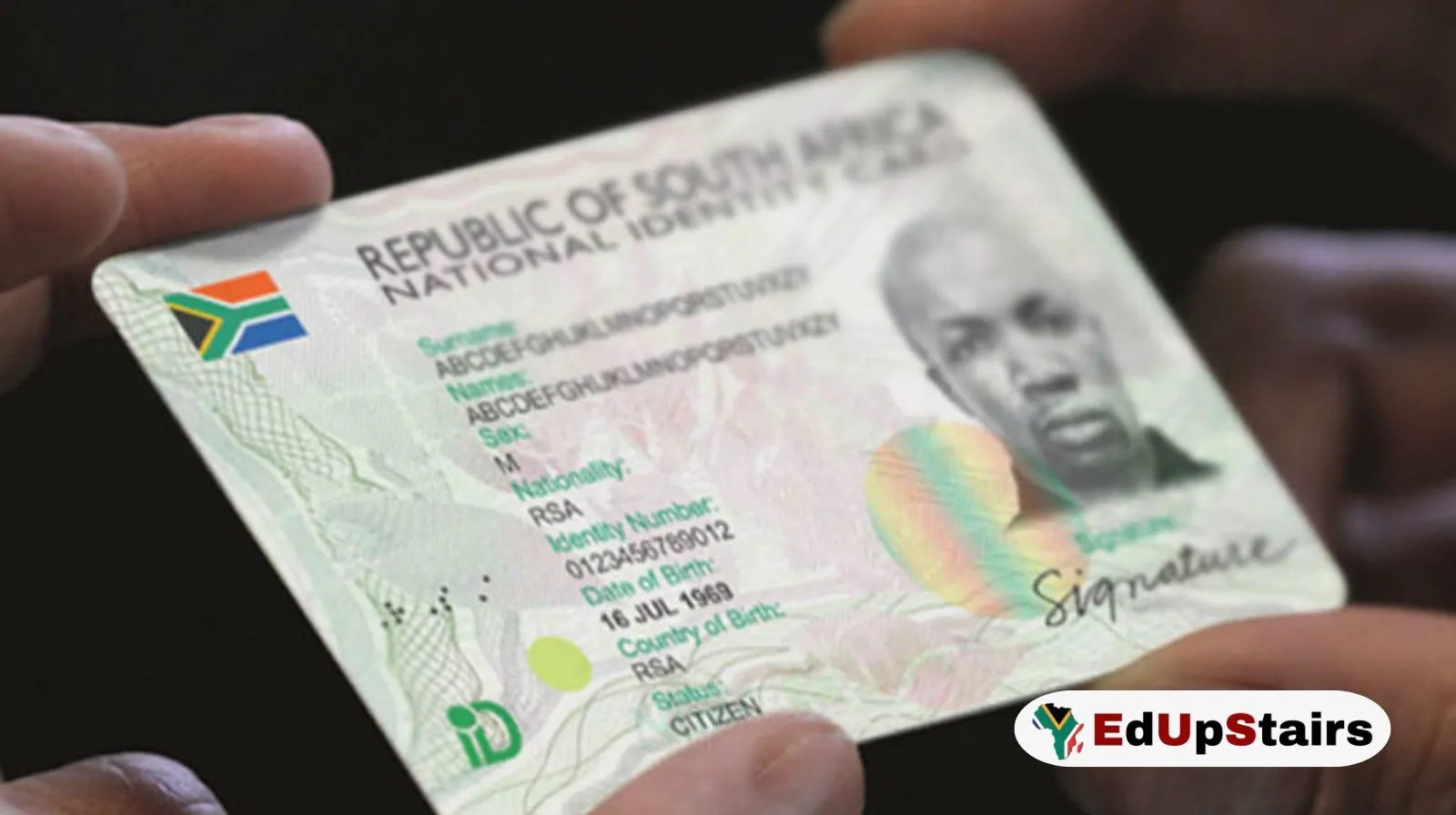
| Important documents | Smart ID, birth certificate, proof of address, bank letter |
What Does It Mean When Your Details Do Not Match Government Records?
A government record mismatch happens when your information appears differently across official databases.
For example:
- Your bank may have one surname while Home Affairs has another
- Your cellphone number may not be linked to your ID
- Your date of birth may differ on one system
- Your UIF details may contain spelling mistakes
- Your tax number may be linked to outdated information
Government systems communicate with each other more than many people realise. When one system detects conflicting information, applications may be flagged for verification.
This is one of the biggest hidden reasons behind:
- Delayed SASSA applications
- UIF payment problems
- NSFAS verification issues
- Banking verification failures
- Government job application rejections
- eHomeAffairs verification problems
Why Matching Records Are Becoming More Important
South Africa has increased digital verification across departments and institutions.
Many organisations now verify applicants directly through:
- The Department of Home Affairs
- SARS
- Credit bureaus
- Banking systems
- The Department of Labour
- SASSA verification systems
This helps reduce fraud and identity theft, but it also means small errors can trigger problems.
For example:
- An extra surname
- Wrong initials
- Old cellphone numbers
- Incorrect marital status
- Different address formats
can all create verification failures.
Common Signs That Your Records May Not Match
Here are warning signs that your information may not align properly across systems.
Your SASSA Application Keeps Failing
Many people receive messages like:
- “Identity verification failed”
- “Details do not match”
- “Application declined”
This often happens because:
- Your cellphone number is not linked correctly
- Your bank account name differs from Home Affairs records
- Your surname changed but was not updated everywhere
Your UIF Claim Is Delayed
UIF systems depend heavily on accurate employer and ID information.
Problems may happen if:
- Employers captured your ID incorrectly
- Your bank details differ from your official records
- Your names do not match exactly
Banks Cannot Verify You
Banks use Home Affairs verification systems.
If verification fails, you may struggle to:
- Open accounts
- Receive payments
- Update banking details
- Access loans
- Complete FICA verification
You Cannot Access Online Government Services
Platforms like:
- eHomeAffairs
- SARS eFiling
- NSFAS portals
- SASSA online systems
often require identity verification.
Mismatched details can lock you out.
The Most Common Government Record Mismatches
ID Number Errors
This is one of the most serious issues.
Even one incorrect digit can create major problems.
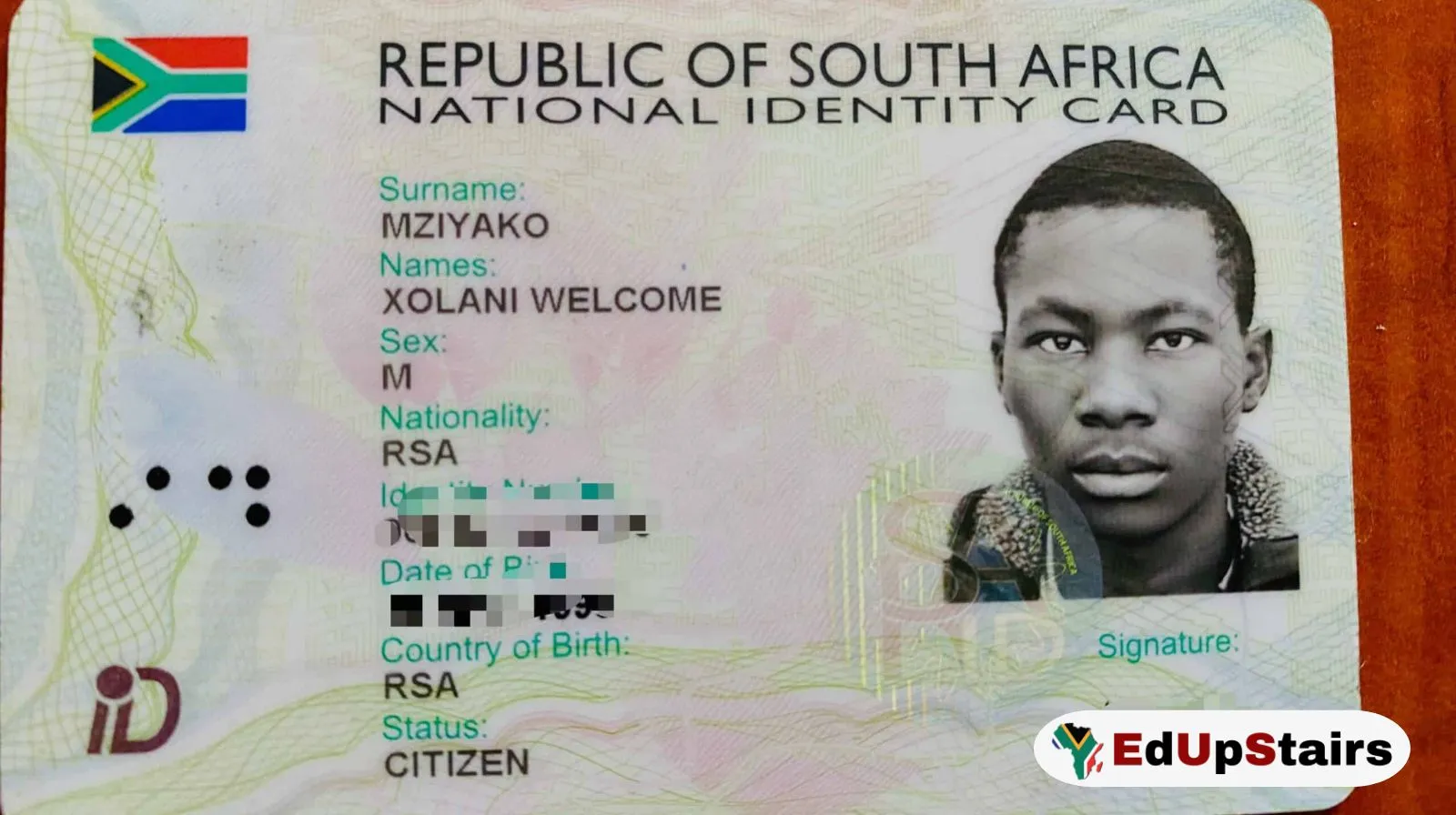
Always verify your:
- South African ID number
- Full names
- Birth date
against your Smart ID or green ID book.
Surname Differences
Surname mismatches are very common after:
- Marriage
- Divorce
- Customary marriage registration
- Adoption
- Name changes
Some systems may still contain old surnames.
Different Cellphone Numbers
Many services now use cellphone verification.
Problems happen when:
- Your SIM card is not RICA-registered in your name
- Old numbers remain linked to applications
- Someone else uses a number connected to your ID
Incorrect Banking Details
Bank verification failures happen when:
- Account names differ from ID records
- Third-party bank accounts are used
- Nicknames are used instead of legal names
Wrong Date of Birth
This often happens due to:
- Old data capture errors
- Mistakes during registration
- Incorrect school or employer records
Even a one-day difference can trigger verification problems.
How to Check If Your Information Matches Official Records
- Check Your Home Affairs Information
Your Home Affairs records form the foundation of most verification systems.
Check:
- Full names
- ID number
- Date of birth
- Marital status
If anything is incorrect, visit your nearest Home Affairs office.
You can also use:
through the official Home Affairs systems.
- Verify Your Banking Information
Ensure:
- Your account is in your own name
- Your names match your ID exactly
- Your bank has your latest cellphone number and address
Banks compare your information with Home Affairs records.
- Check Your SARS Information
If you are employed or previously worked, your SARS records matter.
Verify:
- Tax number
- ID number
- Employer information
- Contact details
South African Revenue Service
Incorrect SARS information can affect:
- Tax refunds
- UIF claims
- Financial verification
- Employment checks
- Confirm Your UIF Details
Ask your employer whether your UIF information was captured correctly.
Common problems include:
- Wrong ID numbers
- Incorrect surnames
- Duplicate employee profiles
Unemployment Insurance Fund
- Check RICA Registration
Your cellphone number should ideally be registered in your own name.
This helps avoid problems with:
- OTP verification
- SASSA applications
- Banking authentication
- Government online portals
How to Fix Mismatched Government Records
Update Your Information Everywhere
If your surname or contact details changed, update them across:
- Home Affairs
- Banks
- SARS
- UIF
- SASSA
- NSFAS
- Medical aid schemes
- Insurance providers
Many people update one system and forget the others.
Keep Certified Documents Ready
Important documents include:
- Certified ID copy
- Proof of residence
- Marriage certificate
- Divorce order
- Birth certificate
- Bank confirmation letter
These documents are often required to correct records.
Avoid Using Different Name Formats
Always use the same version of your name everywhere.
For example:
Avoid:
- “Sam”
- “Samantha N.”
- “Samantha Zanele”
if your official ID says:
- “Samantha Zanele Nkosi”
Consistency matters.
Correct Errors Immediately
Do not ignore small mistakes.
Minor issues today can become major verification problems later.
This is especially important before applying for:
- Jobs
- Grants
- Learnerships
- Bursaries
- Housing subsidies
- NSFAS funding
- UIF benefits
Why Young South Africans Should Pay Attention to This
Many young people assume verification only matters later in life.
But today, almost every opportunity requires identity verification.
This includes:
- Learnerships
- Internships
- TVET applications
- NSFAS applications
- Government jobs
- Banking
- Driver’s licence applications
A mismatch can block opportunities without warning.
How Government Verification Protects You
Although verification issues can be frustrating, these systems also help protect people from:
- Identity theft
- Fraudulent loans
- Fake UIF claims
- Illegal grant applications
- Financial scams
Matching records help prove that you are truly the person applying.
What To Do If Someone Used Your Details Fraudulently
If you suspect fraud:
- Contact your bank immediately
- Check your credit profile
- Report identity theft
- Visit SAPS if necessary
- Notify affected institutions
You should also:
- Replace compromised documents
- Change passwords
- Monitor suspicious activity
South African Police Service
Related Articles:
Government Job Reference Numbers Explained: A Complete Guide for South African Job Seekers
Interview Questions and Answers for Government Jobs in South Africa: A Complete Guide
How to Write a Winning Motivational Letter for Government Jobs in South Africa
How to Write a Winning CV for Government Jobs in South Africa
The Government Verification Systems Every South African Should Understand
How to Check What Government Systems Say About You in South Africa
South African Job-Seekers Urgently Advised to Register on the ESSA System to Access Government Jobs
The Hidden Government Opportunities Most Youth Are Missing in 2026
What Government HR Looks for First When Reviewing Your Application in 2026
Government’s New Central Application System (CAS): What Students Must Know
Why Some Government Jobs Are Advertised but Already Have Candidates
Most People Fill the Z83 Application Form WRONG – Here’s How to Fix It
Government Jobs in South Africa That Require Grade 12 Only (2026 Guide)
Edupstairs Advice
One of the smartest things South Africans can do today is regularly check whether all their records match properly.
Before applying for any major opportunity:
- Compare your ID and banking details
- Ensure your cellphone number is correctly registered
- Update old surnames or addresses
- Keep certified documents ready
- Double-check spelling on every application
Many application rejections are not caused by lack of qualification — they happen because systems cannot verify the applicant correctly.
Fixing small record issues early can save months of stress later.
Frequently Asked Questions (FAQ)
- Can a surname mismatch stop my SASSA application?
Yes. If your surname differs across systems, verification may fail.
- Can banks reject verification because of incorrect government records?
Yes. Banks compare your details with Home Affairs information.
- Does my cellphone number matter?
Yes. Many systems now use cellphone-based verification.
- Can I fix incorrect Home Affairs details?
Yes. Visit Home Affairs with supporting documents.
- Can incorrect UIF details affect payments?
Yes. Incorrect employer or ID information can delay claims.
- Do I need to update all systems after marriage or divorce?
Yes. Updating only one institution is usually not enough.
You can also:
- View latest Internships
- View latest Learnerships
- View Latest Bursaries
- View latest Government jobs
- View latest Company Vacancies
- View latest Municipality vacancies
- Visit the Edupstairs blog for daily updates
Disclaimer
This article is for general informational purposes only and does not guarantee approval, verification, or correction of any government or financial records. Verification processes may differ between institutions such as Home Affairs, SASSA, SARS, UIF, and banks. Always confirm information directly with the relevant organisation before submitting applications or updating personal details.
EDUPSTAIRS IS A REGISTERED NON-PROFIT ORGANISATION NPO No: 232 – 182, PUBLIC BENEFIT ORGANISATION (PBO): 930066984. EDUPSTAIRS DOES NOT, IN ANY WAY OR FORM, SOLICIT MONEY OR CV’S FROM PEOPLE FOR JOBS. PLEASE BE AWARE OF PHONY JOB POSTINGS AND RECRUITMENT FRAUD. USE THE EDUPSTAIRS SCAM DETECTOR TOOL TO SPOT A SCAM BEFORE YOU APPLY