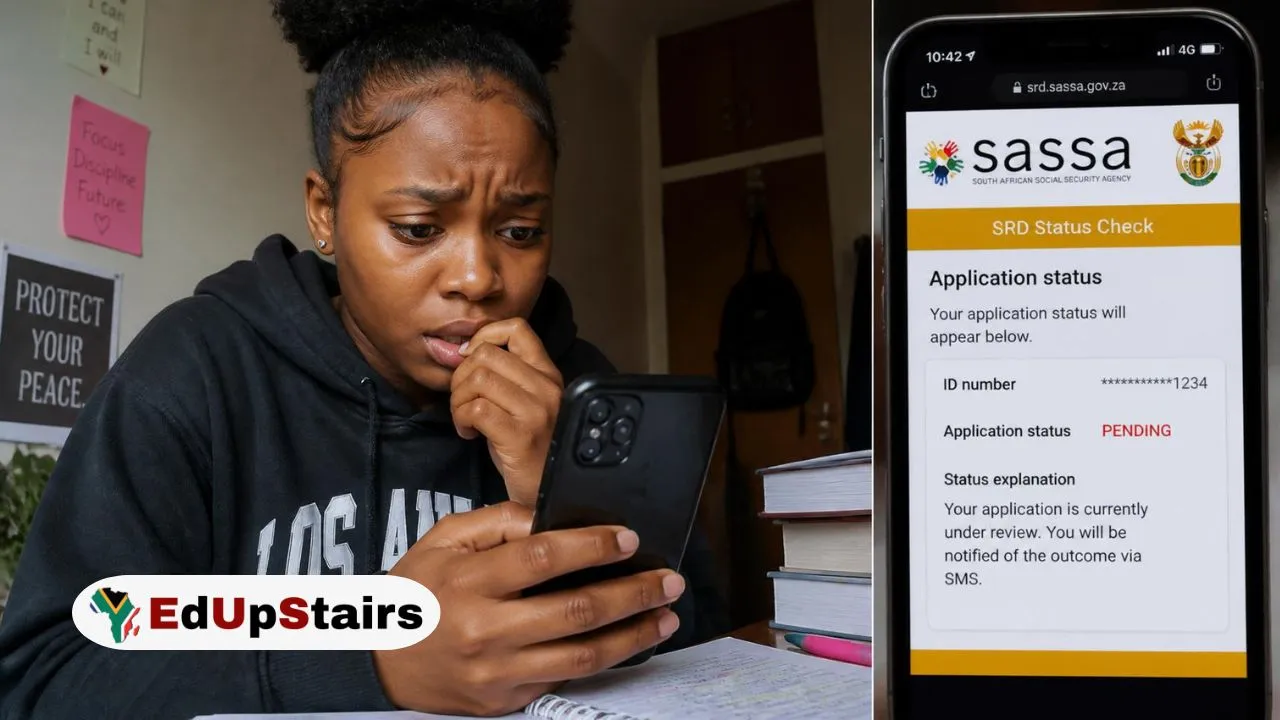

Millions of South Africans rely on social grants every month to support their households. However, many beneficiaries have recently experienced payment delays, temporary suspensions, and requests for additional verification as the South African Social Security Agency (SASSA) intensifies its efforts to combat fraud and identity theft through expanded biometric verification measures.
While the initiative aims to protect the integrity of the social grant system and ensure that grants reach legitimate beneficiaries, it has also created confusion and frustration for thousands of people whose payments have been delayed while verification processes are completed.
In this article, we explain why SASSA is expanding biometric verification, who may be affected, what beneficiaries need to do, and how to avoid unnecessary disruptions to grant payments.
Quick Overview
- SASSA is expanding biometric verification across various grant categories.
- The initiative is designed to reduce fraud, identity theft, and fraudulent grant claims.
- Some beneficiaries have experienced delays while their identities are being verified.
- Beneficiaries may be required to visit SASSA offices for fingerprint or facial verification.
- Individuals selected for review must respond promptly to avoid payment interruptions.
- The verification process affects only selected beneficiaries and does not automatically apply to everyone.
- SASSA says the measures are intended to strengthen the security of the grant payment system.
Why Is SASSA Expanding Biometric Verification?
Social grants represent one of South Africa’s largest social support programmes, providing financial assistance to millions of vulnerable citizens, including:
- Older Persons Grant beneficiaries
- Disability Grant recipients
- Child Support Grant beneficiaries
- Foster Child Grant recipients
- Care Dependency Grant beneficiaries
- Social Relief of Distress (SRD) beneficiaries
Because billions of rand are paid out every month, the grant system remains vulnerable to fraud syndicates, identity theft, and fraudulent claims.
According to SASSA, some criminal networks have attempted to:
- Use stolen identity documents
- Register fraudulent beneficiaries
- Collect grants on behalf of deceased persons
- Create duplicate beneficiary records
- Manipulate personal information within the system
Biometric verification is intended to prevent these abuses by ensuring that the person receiving a grant is the legitimate beneficiary.
What Is Biometric Verification?
Biometric verification is a security process that uses unique physical characteristics to confirm a person’s identity.
These may include:
- Fingerprints
- Facial recognition
- Identity document matching
- Digital identity confirmation
Unlike passwords or paper documents, biometric information is unique to each individual and significantly more difficult to falsify.
When SASSA conducts biometric verification, it compares the beneficiary’s information with official records to confirm identity before continuing grant payments.
Why Are Some Beneficiaries Experiencing Delays?
Many grant recipients have reported delays because their records have been flagged for verification or review.
This does not necessarily mean that fraud has been detected.
A beneficiary may be selected because:
- Information on file is outdated
- Identity details require confirmation
- Personal information differs from government records
- A routine review has been initiated
- There are concerns regarding duplicate records
- Additional verification is required before payment can continue
During this process, payments may be delayed until verification requirements have been completed.
For households that depend heavily on grants, even a short delay can create financial hardship.
Who Is Most Likely to Be Affected?
While SASSA has not indicated that every beneficiary will undergo biometric verification immediately, certain categories may face increased scrutiny.
These can include:
- Beneficiaries Under Review
Individuals already selected for a grant review may be required to verify their identity through biometric processes.
- Beneficiaries With Incomplete Records
Older applications or records containing missing information may require updating.
- Cases With Identity Verification Concerns
If system records do not align with official identity databases, additional verification may be requested.
- SRD Grant Applicants
The SRD grant system already uses various verification mechanisms, and biometric checks may increasingly form part of future identity confirmation processes.
How Will Beneficiaries Know They Have Been Selected?
SASSA typically communicates with beneficiaries through official channels.
Notifications may be sent via:
- SMS
- Telephone calls from official SASSA representatives
- Letters
- Notices at local SASSA offices
- Official online platforms
Beneficiaries should be cautious of scams and only respond to communications originating from verified SASSA sources.
What Should Beneficiaries Do If Contacted?
If SASSA requests verification, beneficiaries should act as soon as possible.
Recommended steps include:
- Confirm the Request
Ensure that the communication comes from an official SASSA source.
Avoid providing personal information to unknown callers or suspicious websites.
- Gather Required Documents
Common documents may include:
- South African ID document or Smart ID Card
- Proof of residence (where applicable)
- Supporting grant documentation
- Medical documentation for disability grants (if requested)
- Attend the Verification Appointment
Where required, beneficiaries should visit the designated SASSA office promptly.
Failure to attend may result in delays or suspension of payments until the matter is resolved.
- Keep Contact Details Updated
Ensure that SASSA has your current:
- Mobile number
- Physical address
- Email address (if applicable)
Updated contact information helps prevent missed notifications.
How Biometric Verification Helps Protect Beneficiaries
Although the process can be inconvenient, biometric verification offers several benefits.
- Prevents Identity Theft
Criminals often attempt to use stolen identities to access grants fraudulently.
Biometric checks make this significantly more difficult.
- Protects Grant Funds
Fraudulent payments divert resources away from deserving beneficiaries.
Enhanced verification helps ensure that funds reach the intended recipients.
- Improves System Integrity
A more accurate beneficiary database strengthens public confidence in the social assistance system.
- Reduces Fraud Syndicates
Sophisticated fraud networks depend on weaknesses in identity verification systems.
Biometric technologies help close these gaps.
Challenges Facing the Rollout
Despite the intended benefits, the expansion of biometric verification has raised concerns among beneficiaries and advocacy groups.
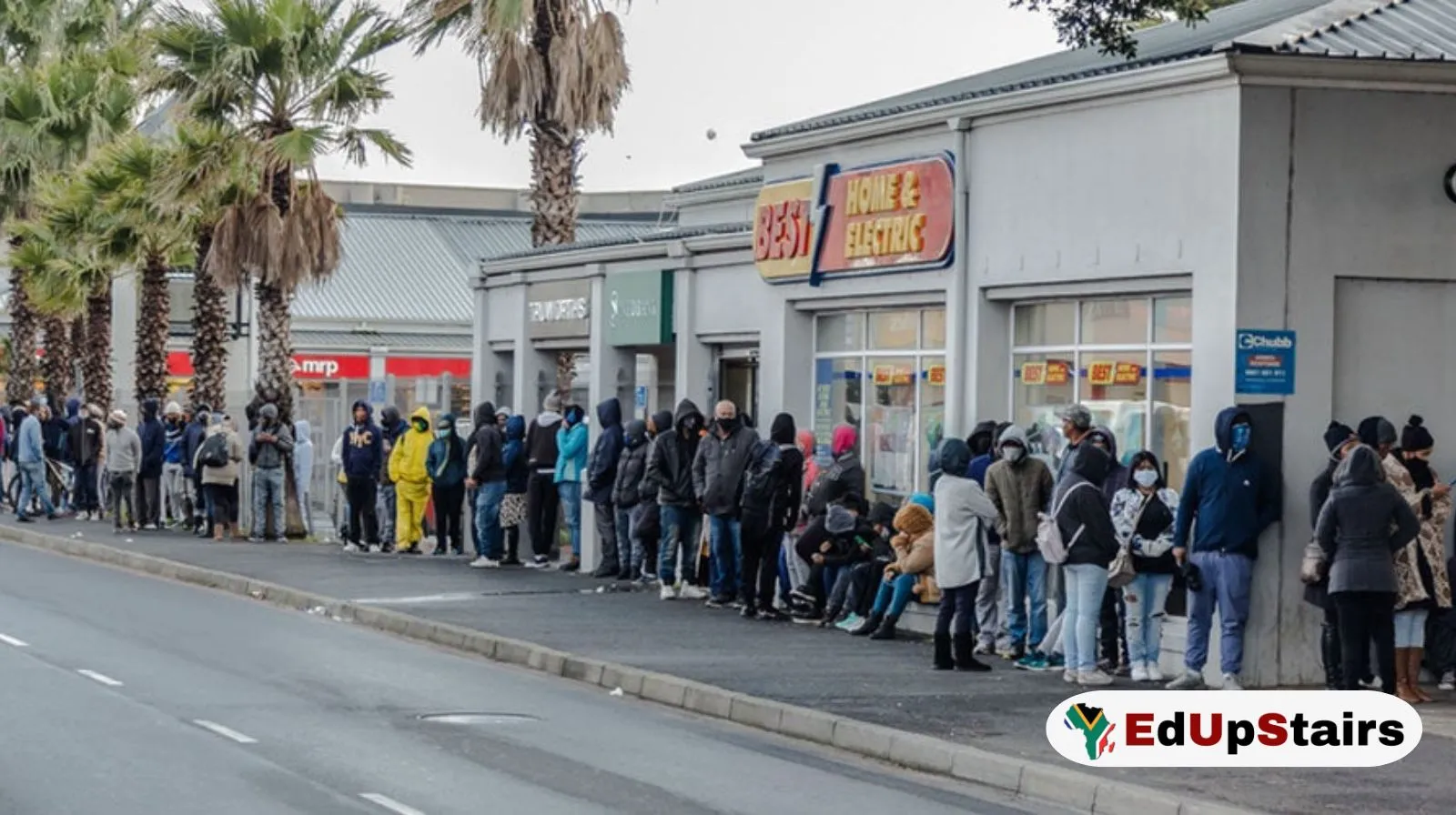
- Long Queues at SASSA Offices
Many local offices already experience high volumes of visitors.
Additional verification requirements may increase waiting times.
- Transport Costs
Some beneficiaries must travel significant distances to reach service points.
- Digital Exclusion
Not all beneficiaries have access to smartphones, internet services, or digital literacy skills needed for online verification systems.
- Delayed Payments
Where verification processes take longer than expected, beneficiaries may experience financial difficulties while waiting for grants to be released.
These concerns highlight the importance of efficient implementation and clear communication from SASSA.
How Beneficiaries Can Avoid Payment Problems
There are several practical steps beneficiaries can take to reduce the risk of payment interruptions.
Ensure Personal Information Is Accurate
Verify that your:
- ID number is correct
- Contact information is current
- Banking details are accurate
Respond Quickly to Requests
Do not ignore messages requesting verification or review participation.
Keep Important Documents Safe
Store identification and grant-related documents securely.
Report Fraud Immediately
If you suspect identity theft or fraudulent activity involving your grant, report it to SASSA as soon as possible.
Attend Scheduled Reviews
Beneficiaries selected for reviews should cooperate fully and attend appointments when required.
What Happens If Verification Is Not Completed?
Failure to complete a requested verification process may result in:
- Payment delays
- Temporary suspension of grants
- Further investigations
- Additional documentation requests
However, beneficiaries generally have opportunities to resolve outstanding issues before permanent action is taken.
Anyone experiencing difficulties should contact SASSA directly for guidance.
The Future of Social Grant Administration
Biometric verification forms part of a broader effort to modernise South Africa’s social assistance system.
Future developments may include:
- Enhanced digital verification systems
- Improved fraud detection technologies
- Better integration with government identity databases
- Faster application processing
- More secure payment mechanisms
While implementation challenges remain, authorities argue that stronger verification systems are necessary to protect public funds and ensure grants reach eligible recipients.
Related Articles:
Why Some SASSA Beneficiaries Are Selected for Review and What Happens Next
SASSA Warns Insurers Preying on Pensioners’ Grants: What Beneficiaries Need to Know
What South Africans Must Know About SASSA’s New WhatsApp Services
What South Africans Must Know About the SASSA Digital Queue Management System (QMS)
Why Your SASSA Status Keeps Changing
What to Do If SASSA Says You Already Have an Income
SASSA Means Test Explained: Why Some Grants Get Declined in South Africa
SASSA Gold Card Changes 2026: What Beneficiaries Must Know
New SASSA Scam Warning 2026: How Fraudsters Are Targeting Beneficiaries
How SASSA Detects Undisclosed Income (And What Beneficiaries Must Know) in 2026
Who Must Reconfirm Their SASSA Details in 2026 to Avoid Grant Suspension
Edupstairs Advice
Beneficiaries should not panic if they receive a biometric verification request. In most cases, the process is simply intended to confirm identity and protect the integrity of the grant system.
The most important actions are to respond promptly, keep personal information updated, attend any appointments arranged by SASSA, and remain alert to scams pretending to be official verification requests.
As SASSA continues strengthening fraud prevention measures, beneficiaries who cooperate with verification requirements and maintain accurate records are likely to experience fewer disruptions and enjoy greater protection against identity-related fraud.
Frequently Asked Questions (FAQ)
- Does biometric verification mean my grant has been cancelled?
No. Being selected for biometric verification does not mean your grant has been cancelled. It is generally a process used to confirm identity and eligibility.
- Will every SASSA beneficiary undergo biometric verification?
Not necessarily. SASSA may target specific groups, reviews, or cases requiring identity confirmation rather than verifying every beneficiary simultaneously.
- What documents should I take for verification?
Typically, beneficiaries should bring their South African ID and any documents requested by SASSA relating to their grant.
- Can my payment be delayed while verification is underway?
Yes. Some beneficiaries have reported payment delays while verification processes are being completed.
- How can I confirm whether a verification request is genuine?
Contact SASSA directly through official channels before providing personal information or making any decisions based on unexpected communications.
You can also:
- View latest Internships
- View latest Learnerships
- View Latest Bursaries
- View latest Government jobs
- View latest Company Vacancies
- View latest Municipality vacancies
- Visit the Edupstairs blog for daily updates
Disclaimer
This article is for informational purposes only and is based on publicly discussed SASSA verification initiatives. Verification procedures may change over time. Beneficiaries should always consult official SASSA communication channels for the latest requirements and instructions.
EDUPSTAIRS IS A REGISTERED NON-PROFIT ORGANISATION NPO No: 232 – 182, PUBLIC BENEFIT ORGANISATION (PBO): 930066984. EDUPSTAIRS DOES NOT, IN ANY WAY OR FORM, SOLICIT MONEY OR CV’S FROM PEOPLE FOR JOBS. PLEASE BE AWARE OF PHONY JOB POSTINGS AND RECRUITMENT FRAUD. USE THE EDUPSTAIRS SCAM DETECTOR TOOL TO SPOT A SCAM BEFORE YOU APPLY