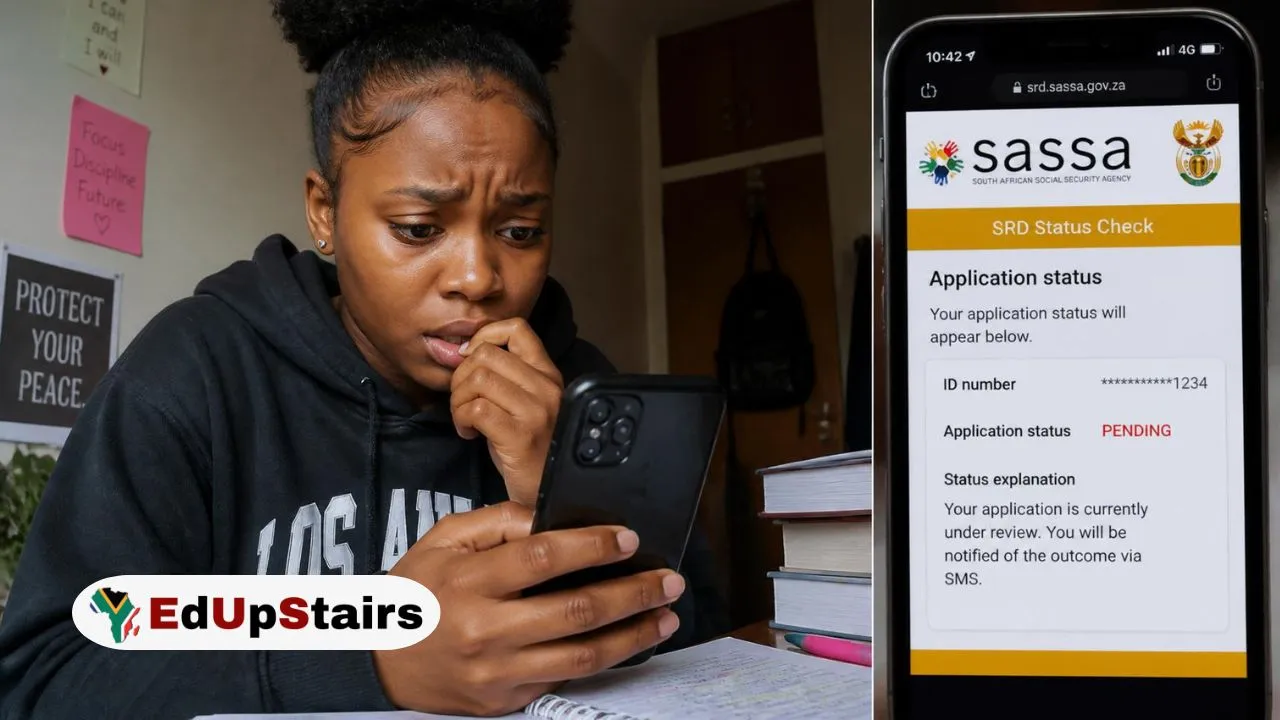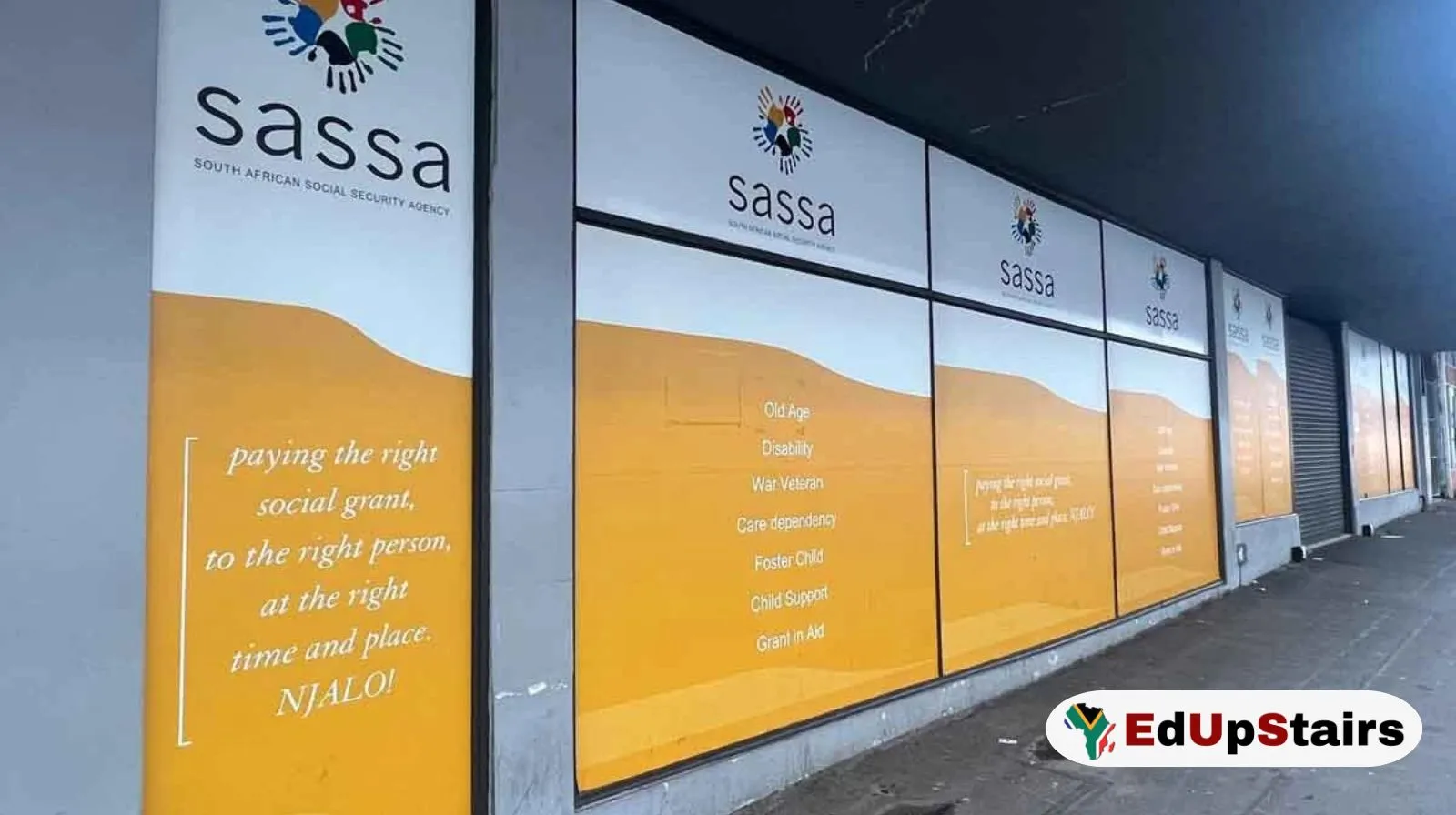

South Africa’s R370 Social Relief of Distress (SRD) grant remains one of the most important forms of financial support for unemployed citizens, especially young people struggling to survive in a difficult economy. For millions of unemployed youth, the grant is not simply “extra money.” It often pays for transport to job interviews, data to search for opportunities online, food at home, and daily survival expenses.
Yet despite the importance of the SRD grant, many young South Africans continue to face serious obstacles when trying to apply for, maintain, or access the grant. Across the country, complaints continue to grow about rejected applications, identity verification issues, banking problems, long appeal processes, and digital barriers that prevent deserving applicants from receiving support.
While government and the South African Social Security Agency (SASSA) have repeatedly stated that verification systems are necessary to prevent fraud and protect public funds, many young people argue that the current system is too complex, inconsistent, and difficult to navigate.
This growing disconnect between vulnerable youth and the systems designed to support them is becoming a major national concern.
Quick Overview
- Grant: R370 Social Relief of Distress (SRD) Grant
- Managed by: SASSA
- Target Group: Unemployed South Africans aged 18–59 with little or no income
- Main Challenges:
- Identity verification delays
- Incorrect income detection
- Banking verification problems
- Limited internet access
- Appeal system backlogs
- Digital exclusion
- Impact on Youth:
- Increased financial hardship
- Reduced ability to search for jobs
- Food insecurity
- Mental stress and frustration
- Official Platform:
- SASSA SRD application system
Why the R370 SRD Grant is Important to South African Youth
South Africa continues to face one of the highest youth unemployment rates in the world. Many matriculants, TVET graduates, university graduates, and unemployed young adults struggle for months or even years without stable employment opportunities.
For these young people, the R370 SRD grant has become a lifeline.
Although the amount is relatively small, it often helps beneficiaries cover essential costs such as:
- Public transport
- Mobile data
- Basic groceries
- Electricity
- Hygiene products
- Job application expenses
- Printing CVs and documents
For some households, multiple family members depend on a single SRD payment to survive each month.
This is why barriers to accessing the grant have become such a serious issue.
The Digital Divide Continues to Exclude Many Young People
One of the biggest systemic barriers is South Africa’s growing digital divide.
The SRD grant system is heavily dependent on online applications and digital verification processes. Applicants are expected to:
- Apply online
- Upload information digitally
- Access SMS notifications
- Track applications online
- Submit appeals electronically
- Verify identity through mobile systems
However, many young South Africans face serious challenges accessing digital services.
Common problems include:
- No smartphone access
- Expensive mobile data
- Poor network coverage in rural areas
- Shared devices
- Limited digital literacy
- Lost or inactive cellphone numbers
A young person living in a rural community may struggle simply to log into the SASSA portal or receive verification OTPs.
Others are forced to spend money at internet cafés or rely on friends and relatives to complete applications.
Ironically, the very people most in need of support are often those with the least digital access.
Banking Verification Problems Create Major Delays
Another major frustration involves banking verification systems.
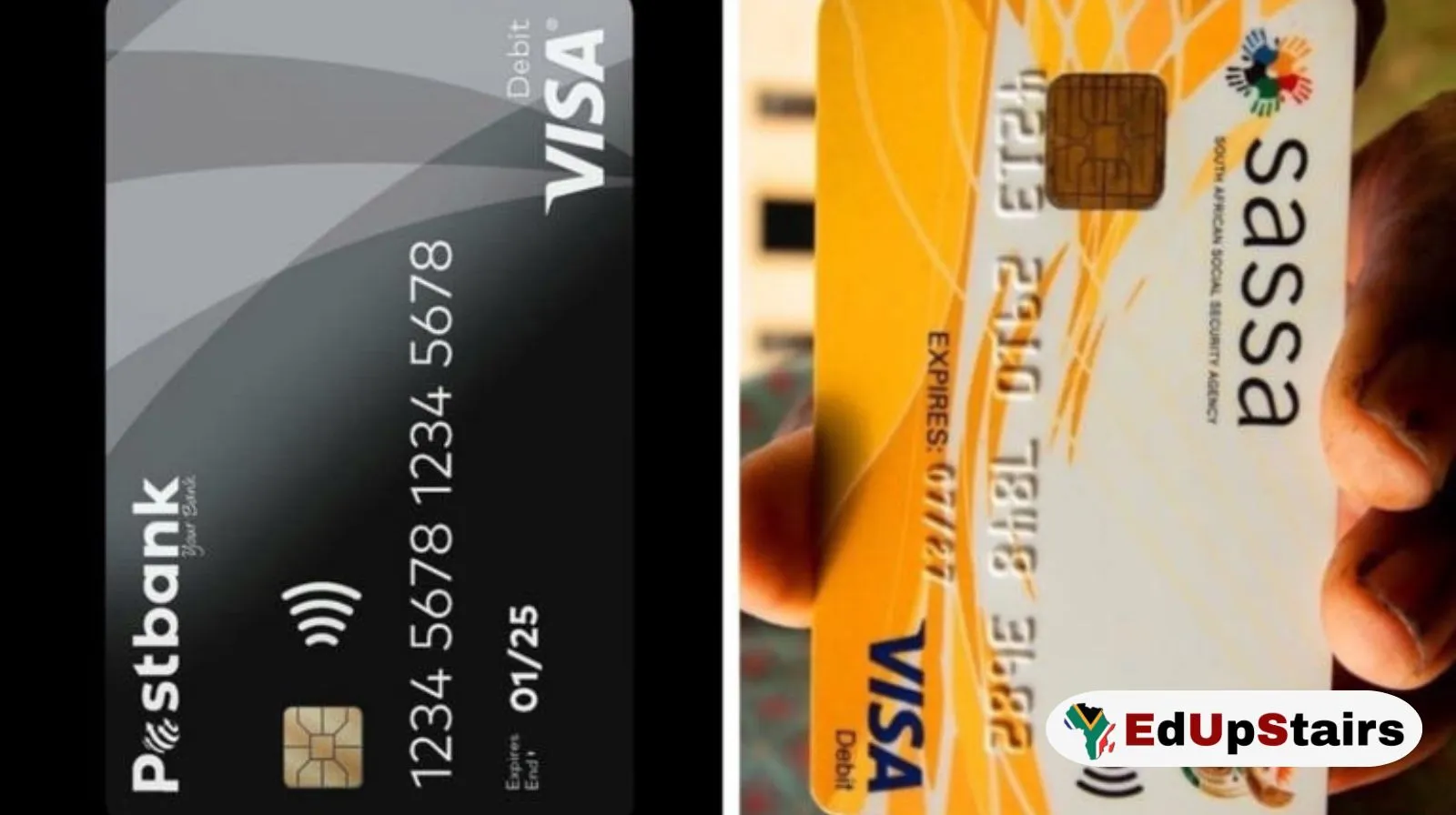
SASSA uses banking data to verify applicants and detect alternative sources of income. However, many young people claim the system incorrectly flags them as having income even when they are unemployed.
In some cases:
- Small once-off deposits trigger rejections
- Family support money is treated as “income”
- NSFAS-related transactions create confusion
- Old bank accounts remain linked to applicants
- Incorrect account details delay payments
Young applicants often discover that their application status says “alternative income source identified” despite having no formal job or salary.
This leaves many confused about what qualifies as income and what does not.
The appeals process can also take months, creating additional hardship for already vulnerable households.
Identity Verification Challenges Affect Thousands
Identity verification remains another serious issue.
Many applicants are flagged for:
- Biometric verification
- Identity mismatches
- Home Affairs verification failures
- Duplicate records
- SIM card registration problems
Some young people change cellphone numbers frequently due to affordability issues. Others use SIM cards registered under family members’ names because they cannot complete RICA registration themselves.
These situations can complicate the verification process and lead to delays or application declines.
For youth living in remote areas, completing biometric verification may require travel costs they cannot afford.
The Appeal System Remains Slow and Stressful
The SRD appeal system was designed to give rejected applicants a second chance to challenge decisions.
However, many applicants complain that:
- Appeals take too long
- Feedback is unclear
- Status updates rarely change
- Reapplications become confusing
- Support channels are difficult to access
Some applicants wait several months without knowing whether their appeal has been approved or rejected.
Others repeatedly submit appeals for different months without receiving meaningful explanations.
This creates frustration and distrust in the system.
Youth Without Financial Support Face Greater Risks
When young people are unable to access SRD support, the consequences can become severe.
Without even basic financial assistance, many struggle with:
- Hunger
- Debt
- Depression and stress
- Transport limitations
- Inability to search for jobs
- Social exclusion
Some young people are forced to borrow money just to survive while waiting for grant outcomes.
Others abandon job-seeking efforts altogether because they cannot afford transport or internet access.
This creates a dangerous cycle where poverty itself becomes a barrier to escaping unemployment.
Rural Communities Face Additional Obstacles
Youth living in rural communities often experience even greater challenges than those in urban areas.
Common rural barriers include:
- Limited SASSA offices nearby
- Poor internet connectivity
- Transport costs
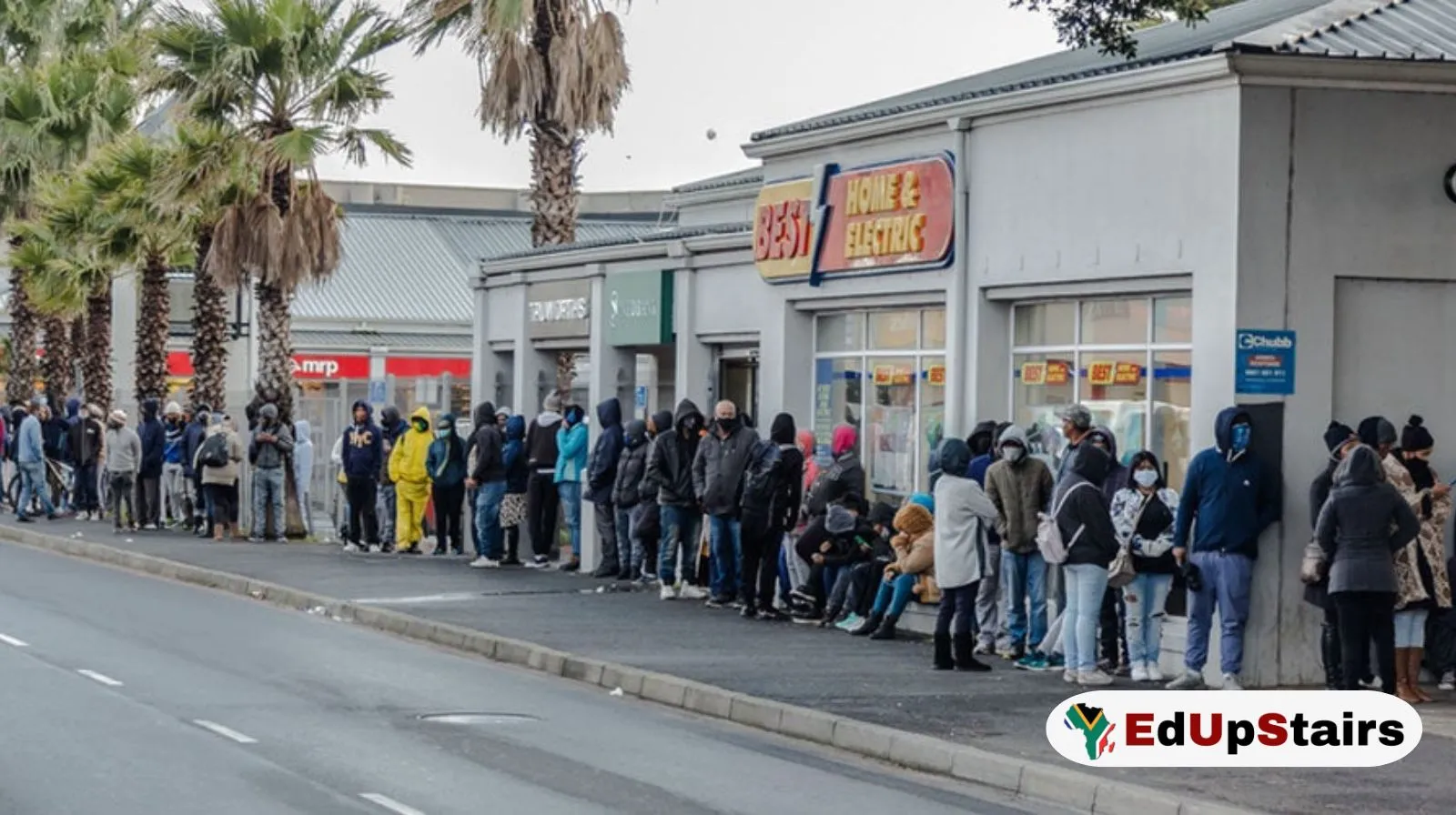
- Long queues
- Fewer support services
- Delayed communication
In some communities, applicants must travel long distances simply to seek assistance or update personal details.
For unemployed youth with no income, these costs become overwhelming.
Fraud Prevention Measures Sometimes Affect Legitimate Applicants
Government has increasingly introduced stricter verification measures to combat fraud within the SRD system.
These include:
- Biometric checks
- Bank account monitoring
- Cross-checking government databases
- Identity verification systems
While these measures are important for protecting taxpayer money, some legitimate applicants feel they are unfairly penalised by systems that make errors.
The challenge for government is finding a balance between preventing fraud and ensuring vulnerable people are not excluded unnecessarily.
The Economic Reality Facing South African Youth
The SRD grant debate cannot be separated from South Africa’s broader unemployment crisis.
Many young people are actively searching for work but face:
- Limited job opportunities
- Lack of work experience
- High transport costs
- Competition for entry-level jobs
- Skills mismatches
- Slow economic growth
Even graduates increasingly struggle to secure employment.
As a result, the SRD grant has become more than temporary relief. For many youth, it functions as a survival mechanism while they continue searching for opportunities.
Calls for SRD Grant Reform Continue to Grow
Civil society organisations, researchers, and social justice groups continue calling for reforms to improve accessibility and fairness within the SRD system.
Suggested improvements include:
- Simplifying the appeals process
- Expanding in-person support services
- Improving communication with applicants
- Reducing false income detections
- Providing free application support centres
- Strengthening rural outreach
- Improving transparency in rejection reasons
There are also growing discussions around introducing more permanent forms of income support for unemployed South Africans.
What Young Applicants Can Do to Reduce Problems
Although many challenges remain systemic, applicants can still take steps to reduce complications.
Important tips include:
- Use accurate banking details
- Keep cellphone numbers active
- Check application status regularly
- Submit appeals on time
- Avoid duplicate applications
- Keep personal information updated
- Use official SASSA channels only
Applicants should also be cautious of scammers claiming they can “approve” SRD grants for payment.
Edupstairs Advice
Young South Africans should never ignore SRD application problems or rejection notices. Always check your application status regularly and submit appeals within the required timeframes.
It is also important to keep copies of all communication, update your banking details carefully, and avoid using unofficial websites or social media pages promising guaranteed approvals.
While the SRD system continues to face challenges, staying informed and using verified information can help applicants avoid unnecessary delays and scams.
At the same time, broader reforms are still needed to ensure vulnerable youth are not excluded from critical support because of technological, administrative, or systemic barriers.
Frequently Asked Questions (FAQ)
- Who qualifies for the R370 SRD grant?
The grant is generally aimed at unemployed South Africans between the ages of 18 and 59 who meet the income threshold requirements.
- Can applicants appeal SRD rejections?
Yes. Applicants can submit appeals if they believe they were unfairly declined.
- Why are youth particularly affected by SRD problems?
Young people often rely heavily on the grant because of high unemployment levels and limited financial support.
- Does receiving family support affect SRD approval?
In some cases, banking systems may incorrectly interpret once-off family support as income.
- Why do some SRD applications get rejected?
Common reasons include:
- Alternative income detection
- Identity verification issues
- Existing government support
- Incorrect banking information
You can also:
- View latest Internships
- View latest Learnerships
- View Latest Bursaries
- View latest Government jobs
- View latest Company Vacancies
- View latest Municipality vacancies
- Visit the Edupstairs blog for daily updates
Disclaimer:
This article is for informational purposes only and is based on publicly discussed challenges surrounding the SRD grant system. Grant approval and verification processes are managed solely by SASSA and relevant government authorities. Applicants should always use official SASSA platforms for applications, appeals, and updates.
EDUPSTAIRS IS A REGISTERED NON-PROFIT ORGANISATION NPO No: 232 – 182, PUBLIC BENEFIT ORGANISATION (PBO): 930066984. EDUPSTAIRS DOES NOT, IN ANY WAY OR FORM, SOLICIT MONEY OR CV’S FROM PEOPLE FOR JOBS. PLEASE BE AWARE OF PHONY JOB POSTINGS AND RECRUITMENT FRAUD. USE THE EDUPSTAIRS SCAM DETECTOR TOOL TO SPOT A SCAM BEFORE YOU APPLY