
South Africa is moving closer to a fully digital identity system as government continues plans to modernise the country’s identification services. The proposed digital ID system is expected to change how South Africans prove their identity, access government services, apply for jobs, open bank accounts, receive grants, and interact with both public and private institutions.
For many South Africans, especially young people and unemployed citizens who depend on government services, the introduction of a digital identity system could become one of the biggest administrative changes in years.
The Department of Home Affairs has repeatedly stated that the future of civic services lies in digital transformation. Government believes the current green ID books and even physical smart ID cards may eventually be replaced or supported by secure digital identification technology that can be accessed electronically.
In this article, we explain what the proposed digital ID system is, how it may work, who could benefit, the concerns surrounding it, and what South Africans should start preparing for now.
Quick Overview
- Government is planning a modern digital identity system for South Africans
- The system may eventually support or replace physical ID documents
- The Department of Home Affairs is leading the digital transformation process
- Digital IDs could be used for banking, grants, healthcare, education, and job applications
- Government aims to reduce fraud and identity theft
- Biometric verification will likely form part of the system
- The project is linked to broader digital government plans
- Full rollout may still take several years
What Is a Digital ID System?
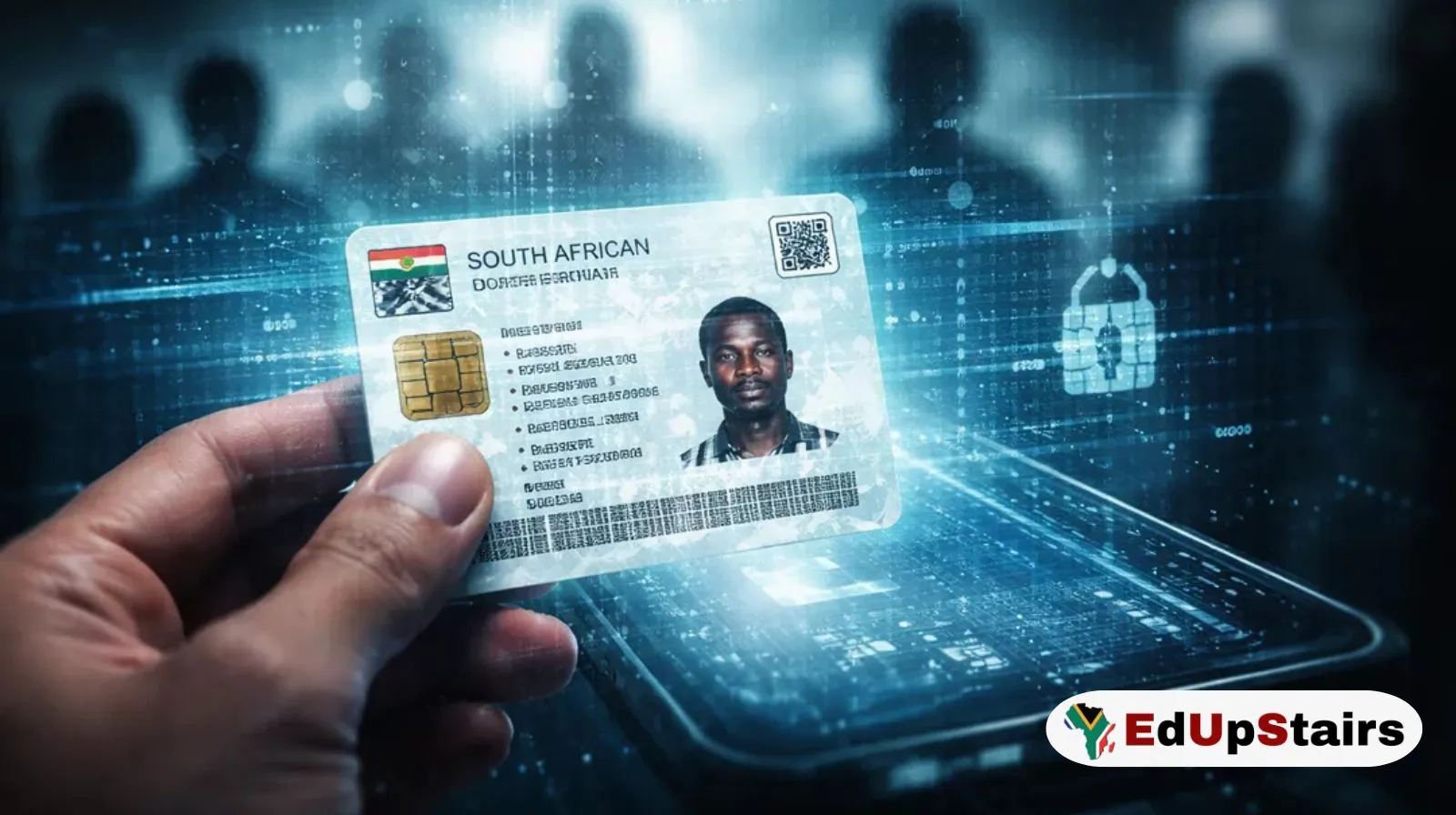
A digital ID system is an electronic method of proving your identity without always needing a physical document.
Instead of carrying only a green ID book or smart ID card, citizens may eventually be able to verify themselves through secure digital platforms using:
- Biometrics
- Fingerprints
- Facial recognition
- Mobile devices
- Secure online databases
- Digital verification systems
In simple terms, your identity information would exist securely within a government-managed digital system that can confirm who you are electronically.
Countries around the world are increasingly introducing digital identity systems to modernise public services and reduce fraud.
South Africa now appears to be moving in the same direction.
Why Government Wants a Digital ID System
Government says the current identity system still faces several challenges, including:
- Fraudulent IDs
- Identity theft
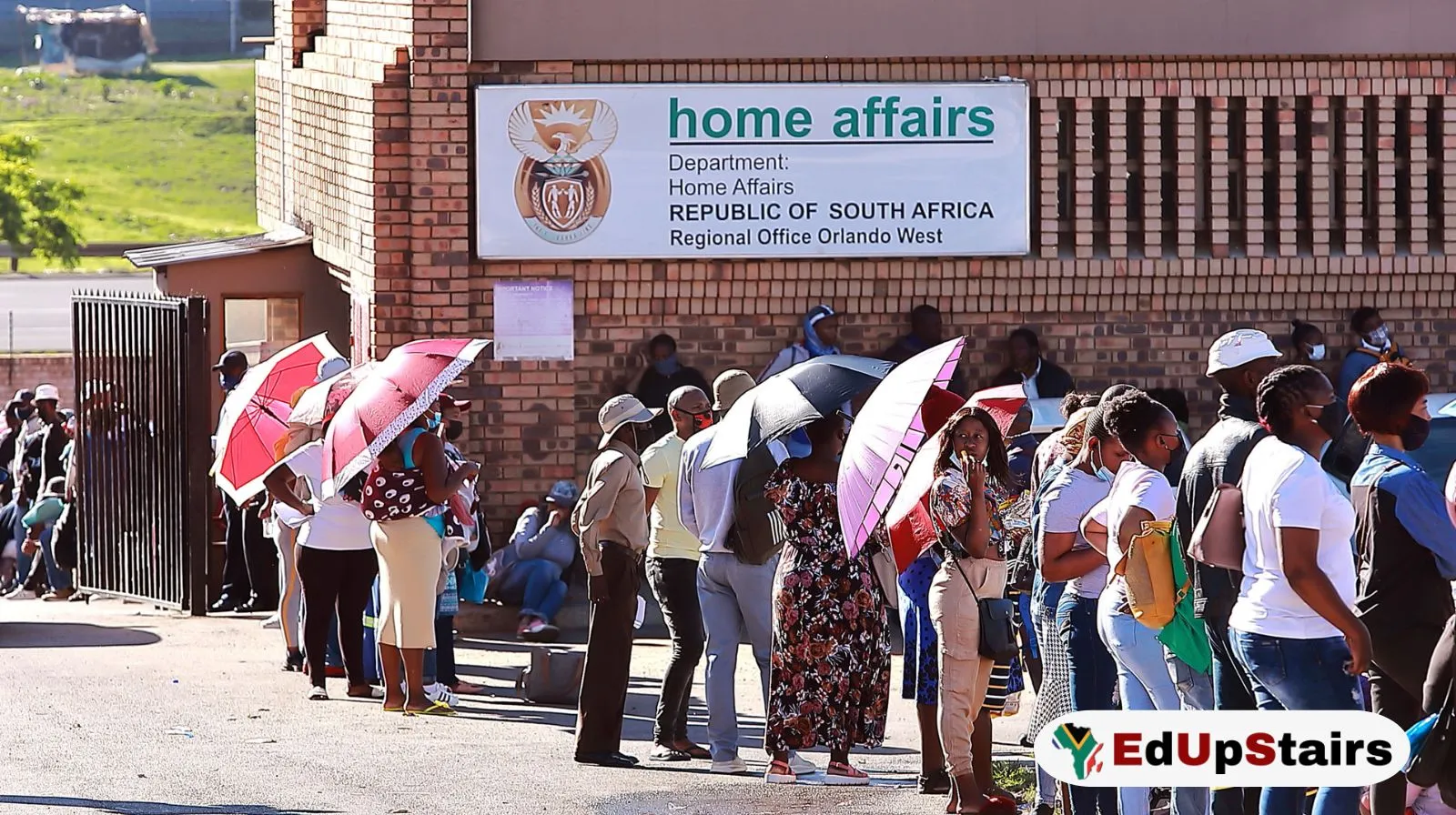
- Long queues at Home Affairs offices
- Delays in document verification
- Difficulty accessing services in rural areas
- Duplicate records
- Inefficient manual processes
A digital system could help simplify many of these issues.
The Department of Home Affairs has also spoken about creating a “single source of truth” for identity verification in South Africa. This means government wants one highly secure central identity database that institutions can trust.
According to government discussions around digital transformation, the long-term goal is to make services faster, safer, and more accessible.
How the Digital ID Could Work
Although the final system has not yet been fully implemented, several possible features have already been discussed publicly.
The future digital ID system could include:
Biometric Verification
Citizens may verify their identities using:
- Fingerprints
- Facial recognition
- Iris scans
- Mobile authentication
This is already partially used in some Home Affairs and SASSA systems.
Smartphone-Based Identity Access
South Africans may eventually access their digital identity through:
- Mobile apps
- Secure government portals
- QR-code verification systems
- Digital wallets
This could help reduce dependence on physical documents.
Real-Time Verification
Employers, banks, universities, and government departments may instantly verify identities electronically.
This could speed up:
- Job applications
- Grant applications
- Banking processes
- Student registrations
- Driver’s licence services
Integration Across Government Services
The system may eventually connect with:
- Home Affairs
- SASSA
- SARS
- NSFAS
- UIF
- Health systems
- Educational institutions
This could allow faster verification when citizens apply for services.
What This Could Mean for Job Seekers
For unemployed youth and job seekers, a digital ID system could eventually simplify many administrative processes.
Currently, many applications require:
- Certified copies of IDs
- Physical verification
- Manual processing
- Repeated document submissions
A digital verification system may reduce some of these requirements.
Potential future benefits include:
- Faster verification during job applications
- Easier online recruitment processes
- Reduced document fraud
- Faster onboarding for internships and learnerships
- Improved access to online government services
For platforms like Edupstairs that regularly guide users through applications, digital identity verification could significantly change how opportunities are processed in the future.
Impact on SASSA and Government Grants
The proposed digital ID system may also affect social grant administration.
Government has increasingly focused on:
- Fraud prevention
- Biometric verification
- Identity confirmation
- Reducing duplicate grant claims
A digital identity framework could strengthen these systems.
This may eventually improve:
- Grant verification speed
- Identity authentication
- Fraud detection
- Payment security
However, it may also mean stricter identity checks for beneficiaries.
South Africans have already seen increased biometric verification in some SASSA systems, which many experts believe is part of the broader digital transformation strategy.
How It Could Affect Banking
Banks already use identity verification systems connected to Home Affairs databases.
A more advanced digital ID system could make banking services easier by allowing:
- Faster account opening
- Improved fraud prevention
- Faster FICA verification
- Secure online identity confirmation
This may especially benefit citizens in remote areas who struggle to access physical branches.
Benefits Government Hopes to Achieve
Reduced Fraud and Corruption
One major goal is reducing identity fraud and fake documentation.
A centralised secure system could make it harder for criminals to:
- Use fake IDs
- Claim grants illegally
- Open fraudulent accounts
- Duplicate identities
Faster Public Services
Digital verification may reduce paperwork and long queues.
Citizens could eventually complete more services online.
Better Service Delivery
Government wants more efficient systems across departments.
This may help reduce delays in:
- ID applications
- Passport services
- Grant processing
- Student funding verification
Improved Inclusion
Digital systems could potentially help people in rural areas access services more easily without repeated travel to government offices.
Concerns and Challenges
Although digital ID systems offer benefits, there are also concerns that government will need to address carefully.
Privacy Concerns
Many people worry about how personal information will be stored and protected.
Citizens may ask:
- Who can access the data?
- How secure is the system?
- Can information be hacked?
- How will government prevent abuse?
Cybersecurity will become extremely important.
Digital Access Inequality
Not all South Africans have:
- Smartphones
- Reliable internet
- Digital literacy
- Access to online services
Government will need to ensure vulnerable communities are not excluded.
System Reliability
South Africans already experience frustrations with:
- System downtime
- Load shedding
- Network failures
- Administrative delays
A digital identity system would require highly reliable infrastructure.
Transition Challenges
Replacing or integrating physical documents with digital systems may take years.
Government would likely need gradual implementation.
Will Physical IDs Disappear Completely?
At this stage, there is no indication that physical IDs will disappear immediately.
The smart ID card system itself is still being expanded nationally.
Instead, digital IDs may initially work alongside physical identification documents before any major changes occur in the future.
Government is likely to adopt a phased approach.
What South Africans Should Do Now
Even though the full system is still developing, citizens can begin preparing by ensuring their records are accurate.
Important steps include:
- Ensure your ID information is correct at Home Affairs
- Apply for a Smart ID card if eligible
- Keep your contact details updated
- Protect your personal information carefully
- Avoid sharing ID copies unnecessarily
- Stay informed through official government announcements
Job seekers should also improve their digital readiness because more services are moving online.
Why This is Important for South Africa’s Future
A functioning digital identity system could become the foundation for many future services in South Africa.
It may eventually influence:
- Employment systems
- Online education
- Banking
- Healthcare
- Social grants
- Voting systems
- Government applications
As the country continues digitising public services, identity verification will likely become central to how citizens interact with institutions.
The success of the system will depend heavily on:
- Public trust
- Cybersecurity
- Accessibility
- Infrastructure reliability
- Transparent governance
Edupstairs Advice
South Africa is moving steadily toward digital government systems. Young people, job seekers, students, and grant beneficiaries should begin preparing for a future where online verification becomes increasingly important.
This does not mean people should panic or expect physical IDs to disappear overnight. However, digital literacy is becoming more valuable every year.
To stay prepared:
- Learn how online government systems work
- Keep your documents updated
- Protect your personal information
- Avoid scams pretending to offer “digital ID registration”
- Follow official announcements only
Most importantly, South Africans should remain patient during the transition. Large government technology projects usually take time to develop fully.
Frequently Asked Questions (FAQ)
- Is South Africa already using digital IDs?
Partially. South Africa already uses digital databases and biometric verification in some systems, but a fully integrated national digital ID framework has not yet been fully implemented.
- Will digital IDs replace Smart ID cards?
Not immediately. Physical IDs are still expected to remain important for the foreseeable future.
- Will everyone need a smartphone?
Government would likely need alternative access methods for people without smartphones or internet access.
- Can digital IDs reduce fraud?
Potentially yes. Strong biometric systems can help reduce fake identities and fraudulent claims.
- Is the system already active?
Government is still developing and discussing broader implementation plans.
- Could this affect SASSA grants?
Possibly. Future grant verification processes may increasingly use digital identity confirmation and biometric verification.
You can also:
- View latest Internships
- View latest Learnerships
- View Latest Bursaries
- View latest Government jobs
- View latest Company Vacancies
- View latest Municipality vacancies
- Visit the Edupstairs blog for daily updates
Disclaimer
This article is for informational purposes only and is based on publicly discussed government plans and digital transformation initiatives in South Africa. Policies, timelines, and implementation details may change. Readers are encouraged to follow official announcements from the Department of Home Affairs and other government departments for confirmed updates.
EDUPSTAIRS IS A REGISTERED NON-PROFIT ORGANISATION NPO No: 232 – 182, PUBLIC BENEFIT ORGANISATION (PBO): 930066984. EDUPSTAIRS DOES NOT, IN ANY WAY OR FORM, SOLICIT MONEY OR CV’S FROM PEOPLE FOR JOBS. PLEASE BE AWARE OF PHONY JOB POSTINGS AND RECRUITMENT FRAUD. USE THE EDUPSTAIRS SCAM DETECTOR TOOL TO SPOT A SCAM BEFORE YOU APPLY