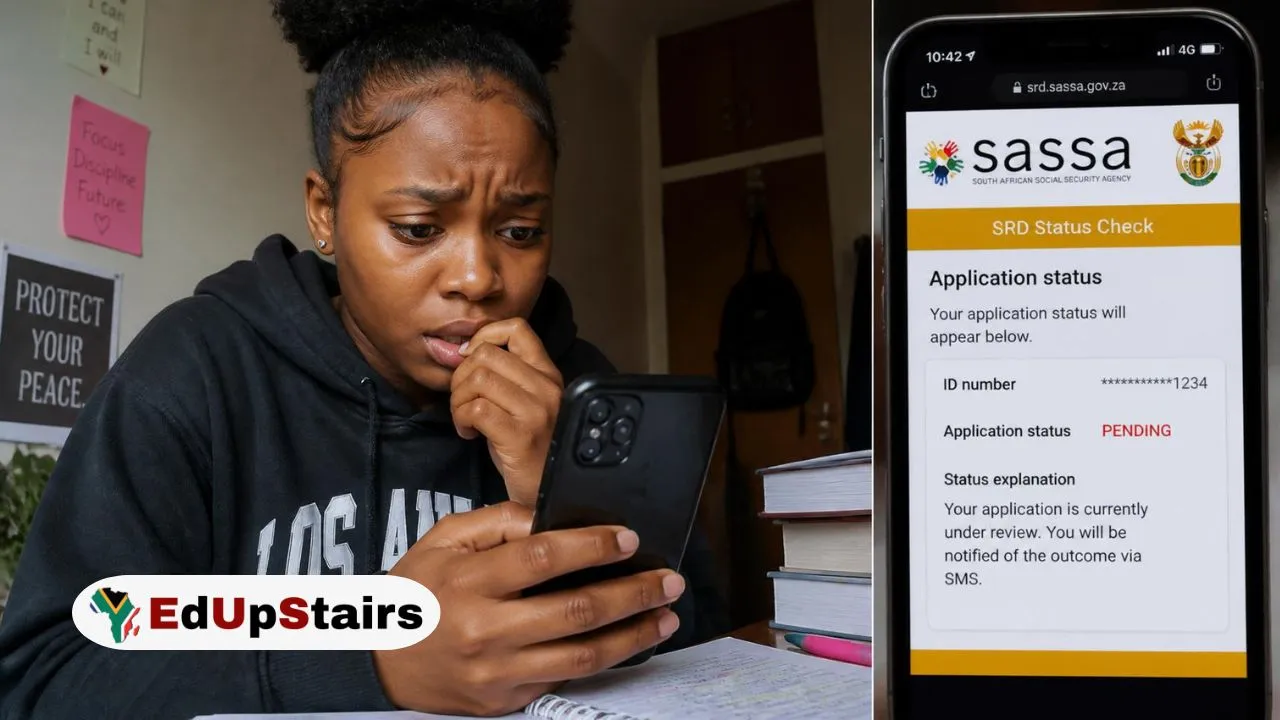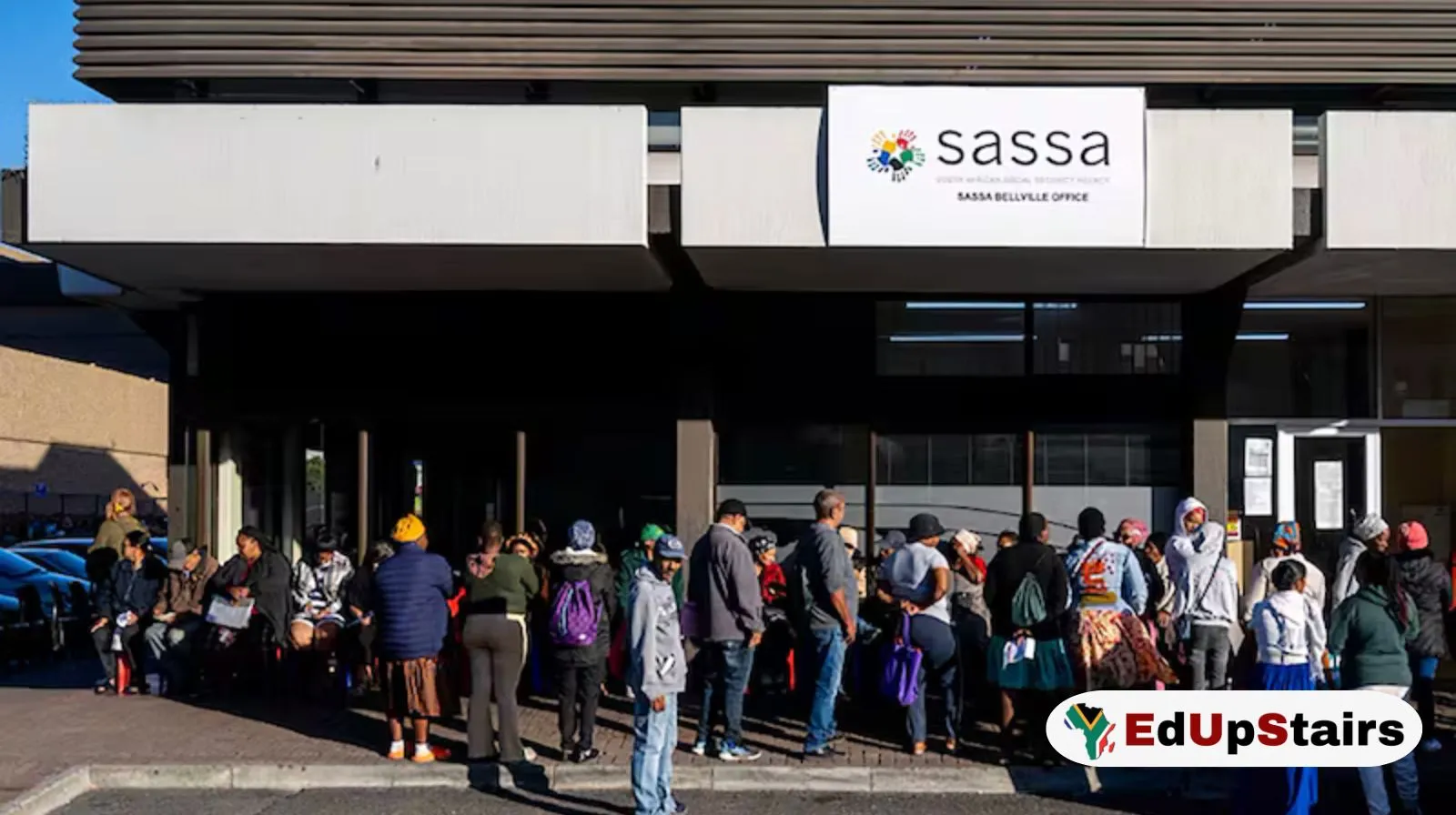

South Africa’s social grant system could soon undergo major changes as government departments continue discussing new ways to improve how grants are managed, distributed, and verified. These proposed changes may affect millions of beneficiaries who rely on grants from the South African Social Security Agency, commonly known as SASSA.
The discussions come at a time when the government is under pressure to reduce fraud, improve service delivery, modernise systems, and ensure that social support reaches the right people. While no final decisions have yet been confirmed on several proposals, many of the planned reforms could significantly change how beneficiaries apply for grants, receive payments, and verify their information.
For many South Africans, social grants are more than just monthly payments. They are a lifeline for households struggling with unemployment, rising food prices, and economic hardship. This is why any proposed changes to grants attract national attention.
This article explains the major changes currently being discussed, what they could mean for beneficiaries, and how South Africans can prepare for possible adjustments in the future.
Quick Overview
- Stronger biometric verification systems
- Possible expansion of digital identity checks
- Increased fraud prevention measures
- More regular beneficiary reviews
- Discussions around grant payment modernisation
- Improved data-sharing between government departments
- Potential adjustments to the Social Relief of Distress (SRD) Grant system
- Greater use of online application systems
- Tighter income verification and means testing
- Long-term discussions about permanent income support
Why Government Wants to Change the Social Grant System
The South African government says the proposed reforms are aimed at protecting the integrity of the grant system. Over the years, concerns have grown about:
- Fraudulent grant applications
- Identity theft
- Duplicate beneficiaries
- Incorrect payments
- Delays in processing applications
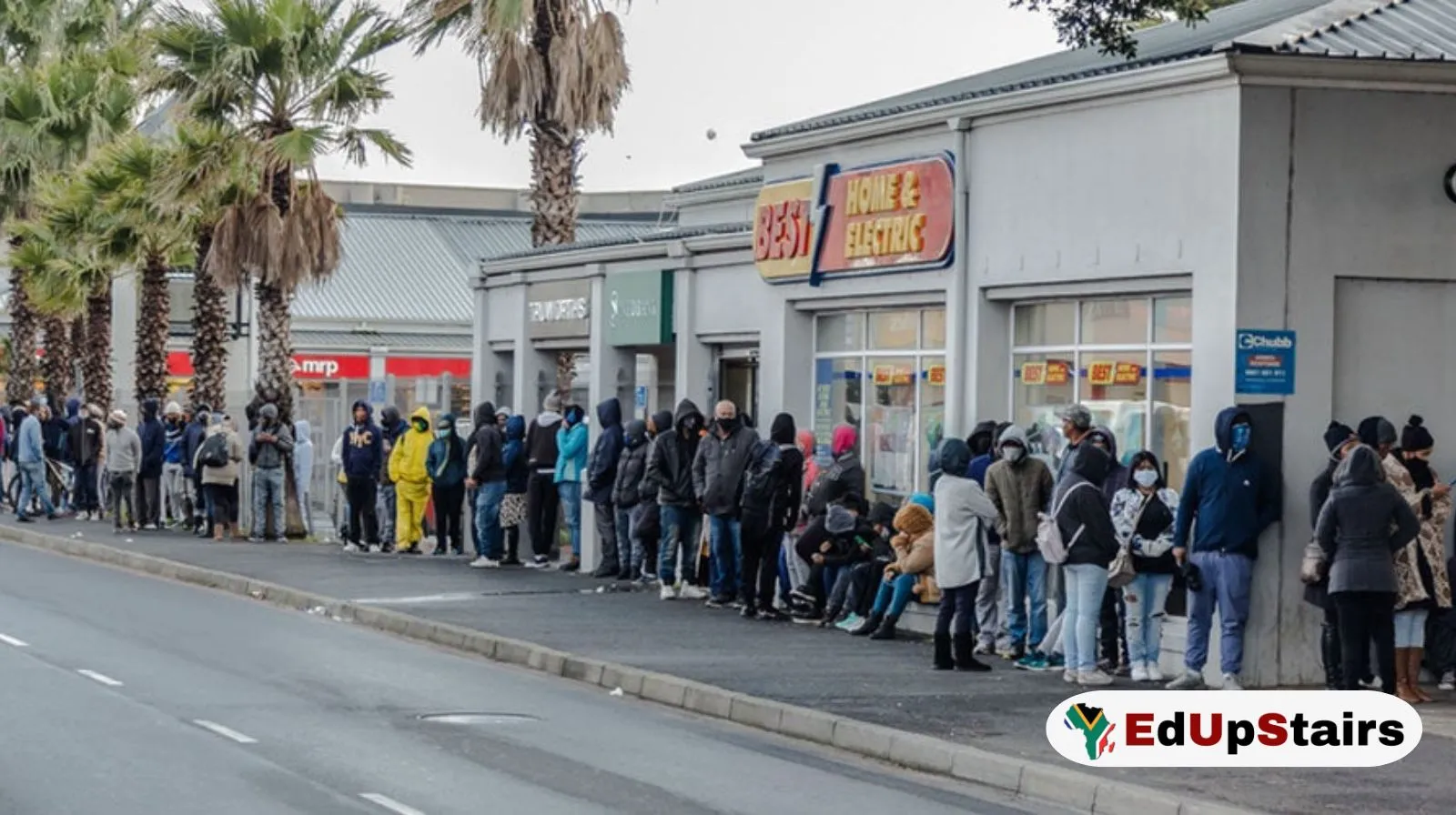
- Long queues at SASSA offices
- Cybersecurity risks
- Challenges with outdated systems
Government departments believe modernising the system could reduce abuse while making services more efficient for legitimate beneficiaries.
The pressure to improve the system has increased especially after the rapid growth of the SRD grant programme during and after the COVID-19 pandemic. Millions of South Africans entered the grant system within a short period, creating administrative challenges that continue today.
Biometric Verification Could Become More Common
One of the biggest proposed changes involves expanded biometric verification.
This means beneficiaries may increasingly be required to confirm their identity using:
- Fingerprints
- Facial recognition
- ID verification systems
- Live photo authentication
Government says this is intended to reduce fraud and stop criminals from using stolen identities to access grants.
In recent months, some beneficiaries have already experienced biometric verification requests when updating information or accessing certain services. The system could become more widely used in future.
Officials argue that biometric systems can help ensure that grants are paid to the correct individuals. However, concerns have also been raised about:
- Elderly beneficiaries struggling with technology
- Rural connectivity challenges
- Delays caused by verification errors
- Data privacy concerns
Beneficiaries may need to ensure their contact details and identity documents remain updated to avoid future disruptions.
More Frequent Grant Reviews May Be Introduced
Another major proposal involves increasing the number of grant reviews conducted by SASSA.
Grant reviews are used to confirm that beneficiaries still qualify for assistance. During reviews, beneficiaries may be asked to provide updated:
- Income information
- Banking details
- Proof of residence
- Medical documentation
- Identity documents
Government believes stricter reviews could help prevent payments to people who no longer meet the qualifying criteria.
However, many beneficiaries worry that reviews could lead to delays or accidental suspensions if documents are not submitted correctly or on time.
This is especially important for:
- Disability grant beneficiaries
- SRD grant recipients
- Child support grant beneficiaries with changing income situations
Digital Grant Systems Could Expand
Government is also exploring ways to further digitise social grant services.
This could include:
- More online applications
- Digital appeals systems
- Online status tracking
- Electronic communication updates
- Mobile verification systems
The goal is to reduce overcrowding at SASSA offices while speeding up processing times.
Online systems already play a major role in SRD grant applications. Future reforms may extend similar systems to other grant categories.
While digital services can improve convenience, many South Africans still face challenges such as:
- Limited internet access
- Expensive mobile data
- Low digital literacy
- Smartphone accessibility issues
Government may therefore need to balance digital expansion with physical support services.
Discussions Continue Around the Future of the SRD Grant
The Social Relief of Distress grant remains one of the biggest issues in current policy discussions.
Originally introduced as temporary support during the pandemic, the SRD grant has become essential for millions of unemployed South Africans.
There are ongoing debates around:
- Whether the SRD grant should become permanent
- Possible increases to the grant amount
- New qualification rules
- Stronger income verification
- Better appeals processes
Some policymakers have proposed integrating the SRD grant into a broader income support system in future.
Others argue that the government’s budget constraints make expansion difficult.
For now, beneficiaries are advised to continue monitoring official announcements because changes to SRD regulations can happen quickly.
Banking and Payment Systems Could Change
Government is also looking at improving how grants are paid.
Possible future changes may include:
- Enhanced bank account verification
- Stronger anti-fraud payment controls
- More digital payment options
- Reduced reliance on cash collections
- Better integration with banking systems
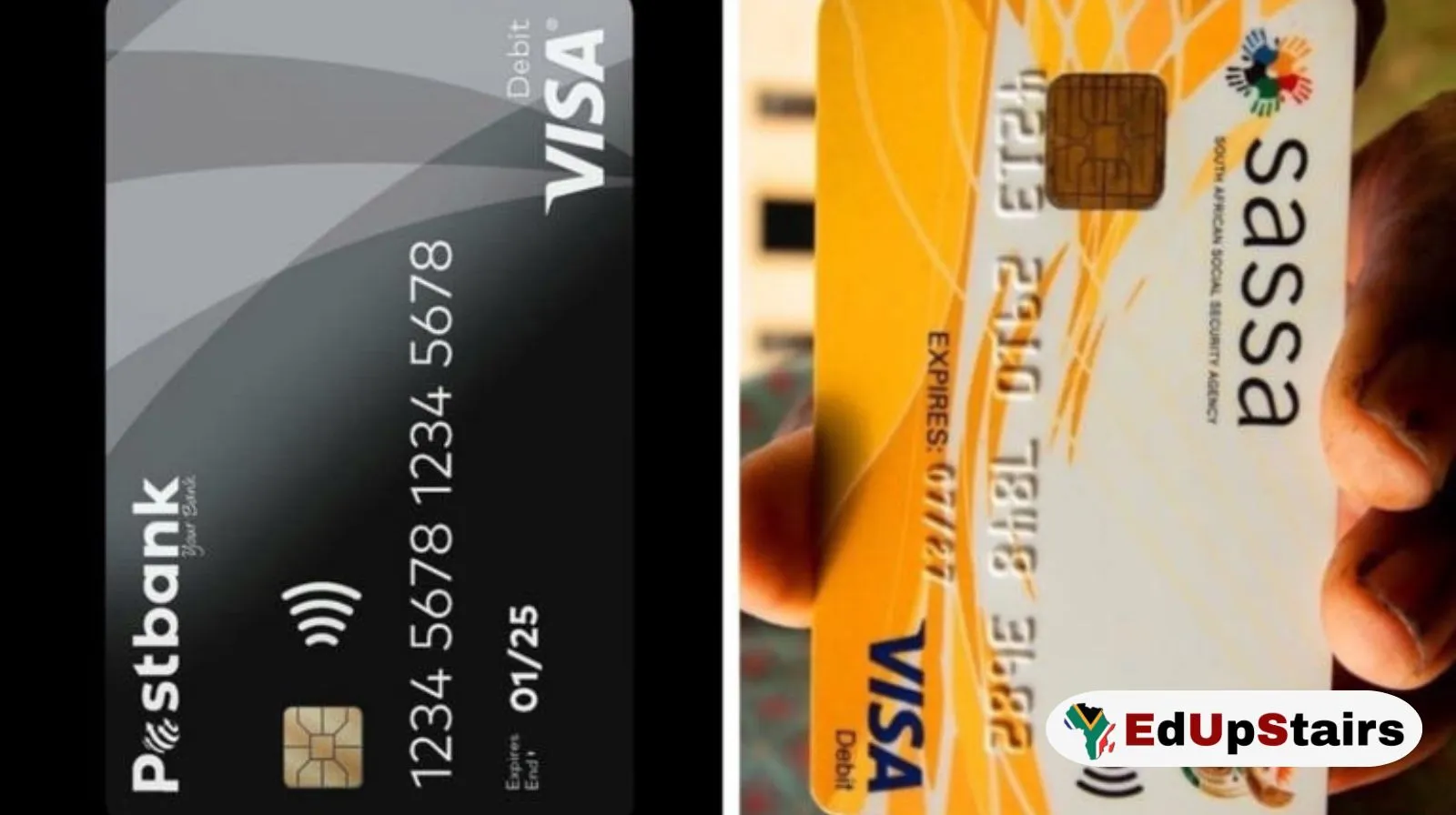
These proposals aim to improve security and reduce payment fraud.
Beneficiaries may increasingly be encouraged to use personal bank accounts instead of alternative collection methods.
However, banking access remains a challenge in some communities, especially rural areas where physical bank branches are limited.
Stronger Data Sharing Between Departments
Another proposed reform involves improved cooperation between government databases.
This may allow departments to cross-check information more efficiently using records from:
- Home Affairs
- SARS
- UIF
- NSFAS
- Banking systems
- Employment databases
Government says this could help identify applicants who may not qualify for certain grants.
For example, if someone receives undeclared income, the system may automatically flag discrepancies.
While this could reduce fraud, some South Africans worry about incorrect data matches causing grant suspensions.
Beneficiaries are therefore encouraged to ensure their records remain accurate across government systems.
Could There Be New Grant Categories in Future?
Although nothing has been officially confirmed, there are occasional policy discussions around:
- Basic income support
- Expanded unemployment assistance
- Youth-focused support programmes
- Household vulnerability grants
South Africa’s high unemployment rate continues to place pressure on government to strengthen social protection systems.
Experts say future grant expansion will depend heavily on:
- Economic growth
- Tax revenue
- Budget availability
- Political priorities
At this stage, many of these ideas remain under discussion rather than confirmed policy.
How Beneficiaries Can Prepare for Possible Changes
Even though many proposals are still being debated, beneficiaries can take practical steps to avoid future problems.
Keep Personal Information Updated
Make sure SASSA has your correct:
- Phone number
- Banking details
- Address
- ID information
Incorrect information can delay payments or verification processes.
Respond Quickly to Verification Requests
If SASSA requests documents or verification, respond as soon as possible to avoid disruptions.
Protect Your Personal Information
Grant fraud and scams remain a major problem.
Never share:
- OTPs
- Banking PINs
- Passwords
- ID copies with unverified individuals
Always use official SASSA channels.
Monitor Official Announcements
Social grant rules can change rapidly. Beneficiaries should regularly check official updates instead of relying only on social media rumours.
What These Changes Mean for South Africa
The proposed social grant reforms highlight the growing importance of social assistance in South Africa’s economy.
Millions of households rely on grants for:
- Food
- Transport
- School expenses
- Healthcare
- Basic survival
At the same time, government faces pressure to:
- Reduce fraud
- Control costs
- Improve administration
- Expand support systems responsibly
Finding the balance between security and accessibility will likely remain one of the biggest challenges moving forward.
Edupstairs Advice
South Africans should not panic whenever discussions about social grant changes appear in the news. Many policy proposals take time before becoming official.
However, beneficiaries should remain proactive by:
- Keeping documents updated
- Monitoring official announcements
- Avoiding scams
- Understanding their grant requirements
The social grant system is likely to become more digital and verification-driven over time. Beneficiaries who stay informed and prepared will be in a stronger position to avoid disruptions.
At the same time, South Africa’s unemployment crisis means social grants will probably remain a critical part of the country’s social protection system for years to come.
Frequently Asked Questions
- Are the proposed changes already active?
Some measures, such as biometric verification and stricter reviews, are already being introduced gradually. However, many broader proposals are still under discussion.
- Will grants stop because of the new changes?
No official announcement has been made about stopping grants entirely. The proposed reforms are mainly focused on verification, fraud prevention, and system improvements.
- Will the SRD grant become permanent?
There are ongoing discussions about the future of the SRD grant, but no permanent decision has yet been confirmed.
- Could beneficiaries lose grants during reviews?
If beneficiaries fail to provide required documents or no longer qualify, grants may be delayed, suspended, or reviewed further.
- Will elderly beneficiaries need biometric verification?
Possibly. Government may expand biometric systems across more grant categories in future.
You can also:
- View latest Internships
- View latest Learnerships
- View Latest Bursaries
- View latest Government jobs
- View latest Company Vacancies
- View latest Municipality vacancies
- Visit the Edupstairs blog for daily updates
Disclaimer
This article is for informational purposes only. Social grant policies and regulations may change depending on official government announcements and legislation. Always confirm information through official SASSA communication channels.
EDUPSTAIRS IS A REGISTERED NON-PROFIT ORGANISATION NPO No: 232 – 182, PUBLIC BENEFIT ORGANISATION (PBO): 930066984. EDUPSTAIRS DOES NOT, IN ANY WAY OR FORM, SOLICIT MONEY OR CV’S FROM PEOPLE FOR JOBS. PLEASE BE AWARE OF PHONY JOB POSTINGS AND RECRUITMENT FRAUD. USE THE EDUPSTAIRS SCAM DETECTOR TOOL TO SPOT A SCAM BEFORE YOU APPLY