
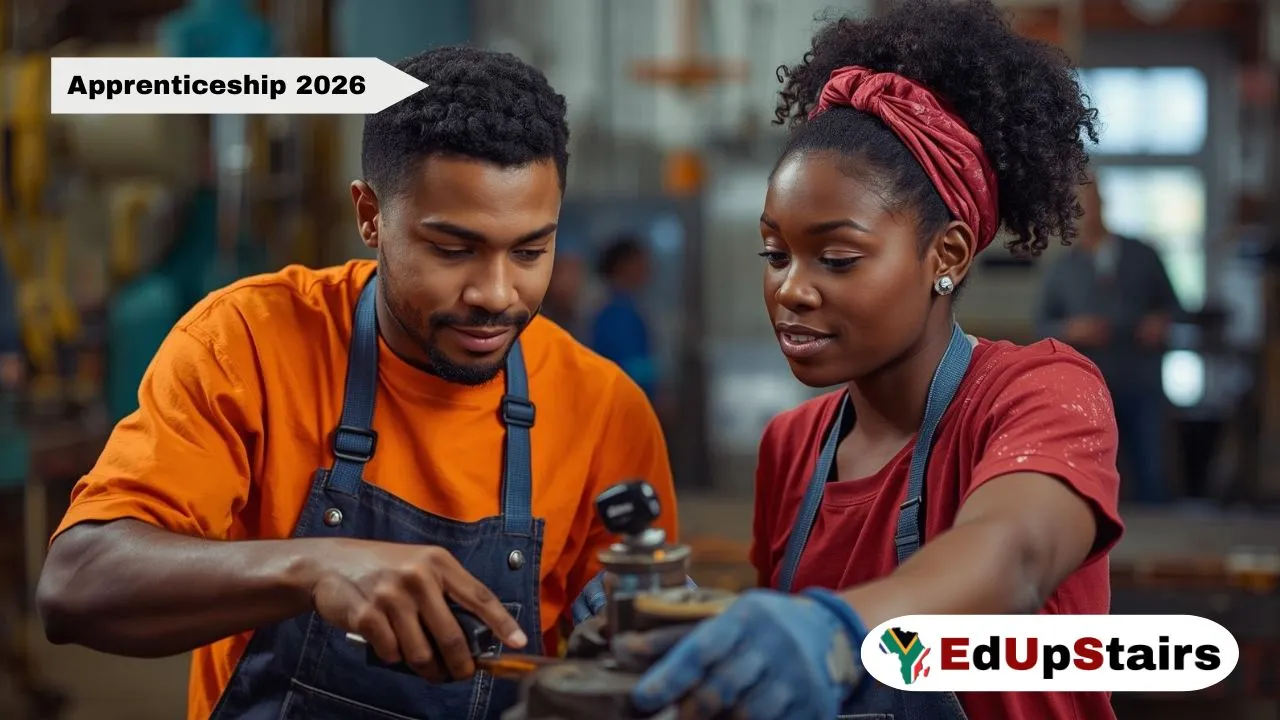
If you are passionate about engineering, enjoy working with machinery, and want to build a long-term technical career, the Unilever Millwright Apprenticeship Programme could be the opportunity you have been waiting for.
Unilever is one of the world’s leading consumer goods manufacturers, producing household brands used by millions of people every day. Through its apprenticeship programme at the Anderbolt Factory, the company is offering aspiring artisans the chance to gain valuable workplace experience while receiving structured technical training.
For many South African youth, apprenticeships remain one of the most effective ways to enter the engineering and manufacturing sector. This programme allows candidates to learn directly from qualified artisans while developing practical skills that can lead to becoming a fully qualified Millwright.
Quick Overview
- Position: Millwright Apprentice
- Company: Unilever
- Function: Supply Chain
- Location: Anderbolt Factory
- Employment Type: Full-Time
- Reports To: Unit Manager / Operational Lead
- Industry: Manufacturing and Engineering
- Programme Type: Apprenticeship
- Scope: Local
- Suitable For: Matriculants and aspiring artisans interested in engineering careers
- Key Focus Areas:
- Mechanical maintenance
- Electrical systems
- Pneumatics and hydraulics
- PLC and automation systems
- Equipment reliability
- Preventative maintenance
- Troubleshooting and fault finding
Understanding the Millwright Trade
A Millwright is a highly skilled artisan responsible for maintaining, repairing, installing, and troubleshooting both mechanical and electrical equipment.
Unlike some trades that focus on only one discipline, millwrights work across several engineering areas, including:
- Mechanical systems
- Electrical systems
- Pneumatic systems
- Hydraulic systems
- Automation systems
- Production machinery
- Industrial equipment
Because of this broad skill set, qualified millwrights are among the most sought-after artisans in South Africa’s manufacturing, mining, logistics, food processing, and energy sectors.
Purpose of the Apprenticeship Programme
The Unilever Millwright Apprenticeship Programme is designed to provide practical workplace training alongside structured technical development.
Successful candidates will work under the supervision of qualified artisans and engineers while learning how industrial manufacturing equipment operates.
The programme focuses on helping apprentices develop competence in:
- Equipment maintenance
- Machine installations
- Electrical troubleshooting
- Mechanical repairs
- Preventative maintenance
- Engineering safety standards
- Manufacturing best practices
By the end of the apprenticeship journey, participants will have gained valuable industry exposure that supports progression toward becoming qualified artisans.
Key Responsibilities
As a Millwright Apprentice, your daily activities will include assisting experienced artisans and learning technical skills required in a manufacturing environment.
Responsibilities include:
Maintenance and Repairs
- Assist qualified millwrights with machinery maintenance
- Support equipment repairs
- Replace worn or damaged components
- Assist with machine inspections
Fault Finding and Troubleshooting
- Learn how to identify equipment faults
- Support troubleshooting activities
- Assist with diagnosing electrical and mechanical problems
- Help restore machinery to operational condition
Preventative Maintenance
- Participate in scheduled maintenance activities
- Assist with inspections and servicing
- Help improve equipment reliability
- Support plant uptime initiatives
Installation and Commissioning
- Assist with new equipment installations
- Support machinery modifications
- Learn commissioning procedures
- Participate in testing activities
Safety Compliance
- Follow engineering safety procedures
- Adhere to plant safety standards
- Use tools safely and correctly
- Participate in safety awareness initiatives
Documentation
- Complete apprenticeship logbooks
- Record maintenance activities
- Participate in assessments
- Maintain accurate training records
Teamwork
- Work closely with maintenance teams
- Collaborate with production departments
- Assist in reducing equipment downtime
- Support continuous improvement projects
What You Will Learn During the Apprenticeship
One of the biggest advantages of this programme is the broad exposure apprentices receive.
Mechanical Maintenance
You will learn how industrial machines operate and how to:
- Repair mechanical components
- Replace bearings and seals
- Align equipment
- Perform routine servicing
Electrical Systems
Exposure includes:
- Motors
- Control circuits
- Electrical panels
- Basic industrial electrical maintenance
Pneumatics and Hydraulics
You will gain experience with:
- Air-powered systems
- Hydraulic equipment
- Valves
- Cylinders
- Pressure control systems
PLC and Automation Systems
Modern factories rely heavily on automation.
Apprentices may gain exposure to:
- Programmable Logic Controllers (PLCs)
- Sensors
- Automated production systems
- Process control equipment
Equipment Reliability
You will learn how manufacturers minimise breakdowns through:
- Preventative maintenance
- Root cause analysis
- Reliability improvement strategies
- Planned maintenance systems
Minimum Requirements
To be considered for the apprenticeship, candidates should meet the following requirements:
Educational Requirements
- Grade 12 / Matric Certificate
- Mathematics
- Physical Science
Advantageous Qualifications
Although not mandatory, the following will strengthen your application:
- N2 Engineering Studies
- N3 Engineering Studies
- Relevant technical qualifications
- Engineering-related coursework
Additional Requirements
- Basic understanding of mechanical principles
- Basic understanding of electrical principles
- Computer literacy (advantageous)
- Willingness to work shifts
- Ability to work overtime when required
Skills and Competencies Unilever Is Looking For
Successful apprentices typically demonstrate:
Mechanical and Electrical Aptitude
You should enjoy understanding how machinery works and be curious about technical systems.
Problem-Solving Ability
Manufacturing environments require individuals who can think critically and contribute to solving equipment-related challenges.
Willingness to Learn
This is one of the most important qualities for any apprentice.
Employers value candidates who:
- Ask questions
- Learn from feedback
- Take initiative
- Show commitment to development
Communication Skills
Apprentices work with:
- Artisans
- Engineers
- Supervisors
- Production operators
Good communication helps maintain productivity and safety.
Teamwork
Manufacturing success depends on collaboration.
You must be able to work effectively within a team environment.
Safety Awareness
Engineering environments can be hazardous if procedures are not followed correctly.
Safety consciousness is therefore essential.
How to Prepare Before Applying
To improve your chances of success:
Prepare Your Documents
Have the following ready:
- Updated CV
- Certified ID copy
- Certified Matric certificate
- N2/N3 certificates (if applicable)
- Academic transcripts
- Proof of residence (if requested)
Improve Your Technical Knowledge
Review basic concepts such as:
- Mechanical systems
- Electrical circuits
- Workplace safety
- Engineering tools
- Manufacturing processes
Strengthen Your CV
Include:
- Technical subjects
- Engineering projects
- Volunteer experience
- Technical training
- Computer skills
How to Apply
APPLY FOR THE UNILEVER MILLWRIGHT APPRENTICESHIP PROGRAMME 2026 HERE
Related Articles:
Understanding N2, N3, N4 and Trade Test Requirements in South Africa
Artisan Trades Explained: Which Trade Is Right for You?
Apprenticeship / Artisan Supporting Documents Checklist in South Africa
Interview Questions and Answers for Apprenticeship / Artisan Jobs in South Africa: A Complete Guide
How to Write a Winning Motivational Letter for an Apprenticeship / Artisan Job in South Africa
How to Write a Winning CV for Apprenticeship / Artisan Job Applications in South Africa
How to Prove You Are Unemployed in South Africa
The Difference Between Being Qualified and Being Employable in 2026
How to Build Work Experience Without a Job in South Africa in 2026
Edupstairs Advice
Many applicants focus only on submitting a CV. However, employers like Unilever often look for candidates who demonstrate genuine interest in engineering and technical work.
Before applying:
- Learn about the millwright trade
- Understand basic maintenance concepts
- Prepare a professional CV
- Organise supporting documents
- Practice common interview questions
- Research Unilever and its manufacturing operations
Remember, apprenticeships are highly competitive. Showing enthusiasm, discipline, and a willingness to learn can help you stand out from other candidates.
The Unilever Millwright Apprenticeship Programme offers more than just workplace experience. It provides an opportunity to begin building a valuable artisan career within one of the world’s leading manufacturing organisations.
Frequently Asked Questions (FAQ)
- What is a Millwright?
A Millwright is a qualified artisan responsible for maintaining, repairing, installing, and troubleshooting mechanical and electrical equipment.
- Do I need experience to apply?
No. Apprenticeships are designed for individuals who are still learning and developing their skills.
- Is N2 or N3 compulsory?
No. However, N2 or N3 engineering studies are advantageous and may strengthen your application.
- Will I receive practical training?
Yes. Apprentices work under qualified artisans and receive hands-on technical training.
- Can this apprenticeship lead to future employment?
While employment cannot be guaranteed, apprenticeship experience significantly improves future job prospects.
- Is shift work required?
Yes. Candidates should be willing to work shifts and overtime when operational requirements demand it.
You can also:
- View latest Internships
- View latest Learnerships
- View Latest Bursaries
- View latest Government jobs
- View latest Company Vacancies
- View latest Municipality vacancies
- Visit the Edupstairs blog for daily updates
Application Outcome Tracker (anonymous)
No names collected. This helps future applicants understand real-world timelines.
Have you applied for this opportunity?
Disclaimer
Edupstairs is not affiliated with Unilever. This article is published for informational and educational purposes only. Applicants should always verify details, requirements, and application procedures through official Unilever recruitment channels before applying.
EDUPSTAIRS IS A REGISTERED NON-PROFIT ORGANISATION NPO No: 232 – 182, PUBLIC BENEFIT ORGANISATION (PBO): 930066984. EDUPSTAIRS DOES NOT, IN ANY WAY OR FORM, SOLICIT MONEY OR CV’S FROM PEOPLE FOR JOBS. PLEASE BE AWARE OF PHONY JOB POSTINGS AND RECRUITMENT FRAUD. USE THE EDUPSTAIRS SCAM DETECTOR TOOL TO SPOT A SCAM BEFORE YOU APPLY