
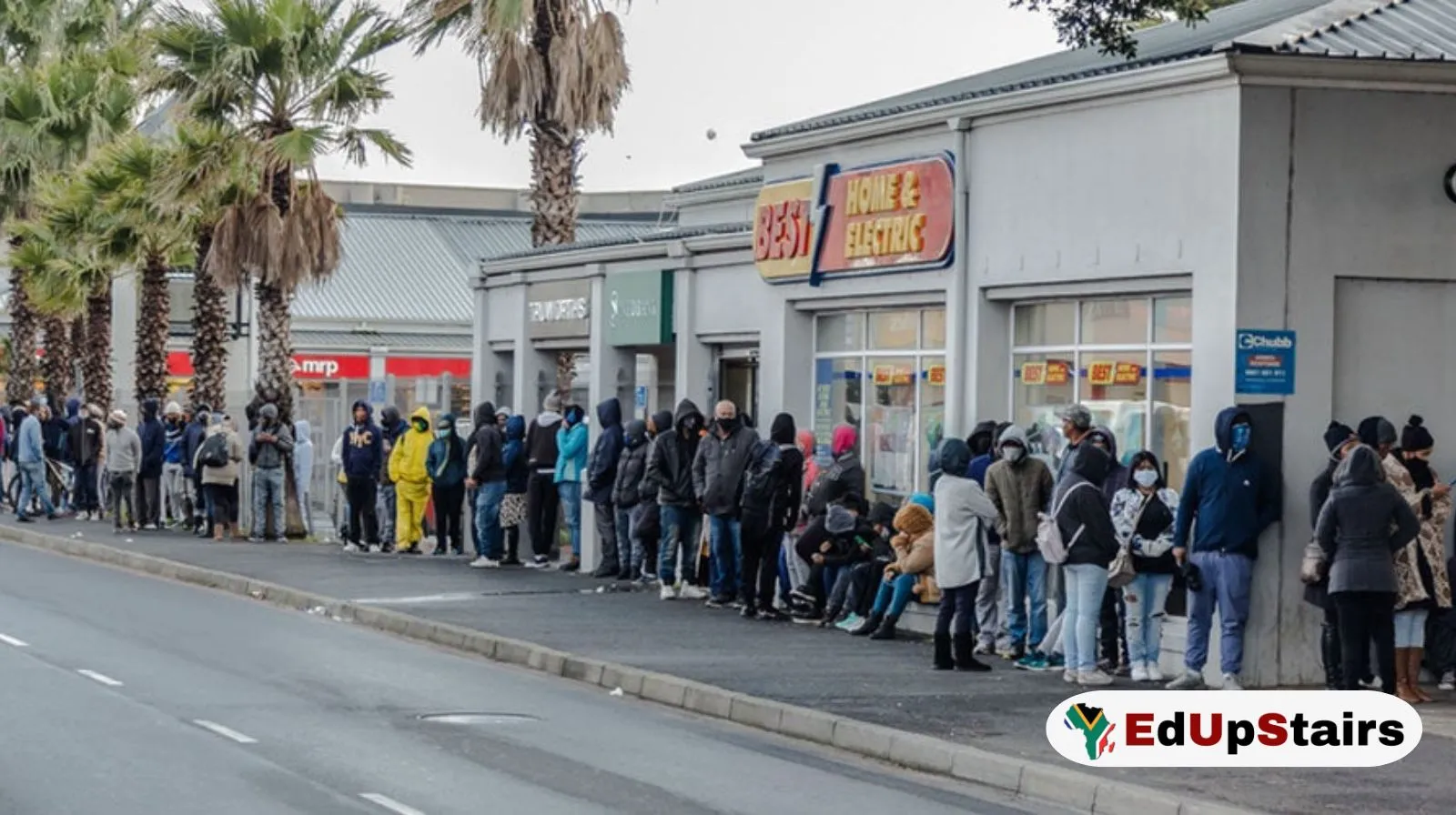
Social grants continue to serve as a financial lifeline for millions of South Africans as households across the country struggle with unemployment, rising food prices, and growing economic pressure.
For many families, monthly grant payments are no longer simply additional support — they have become the main source of income keeping households functioning. From pensioners supporting extended families to unemployed youth relying on relief grants, social assistance remains deeply connected to daily survival in South Africa.
As poverty and hunger continue affecting communities, social grants are playing an increasingly important role in helping vulnerable households meet their basic needs.
Quick Overview
- Millions of South Africans rely on social grants every month
- Rising food prices continue placing pressure on low-income households
- The Child Support Grant remains the country’s largest social support programme
- Pension grants often support entire families
- The SRD grant highlighted the scale of unemployment in South Africa
- Hunger and poverty continue affecting both rural and urban communities
- Government faces growing pressure to strengthen social protection systems
Social Grants Remain a Critical Household Lifeline
In many South African homes, social grants provide the only stable monthly income available.
With unemployment remaining high and economic growth still under pressure, countless households depend on grants to cover everyday expenses such as:
- Groceries
- Electricity
- School transport
- Clothing
- Healthcare
- Municipal costs
Many families survive by combining grant income with temporary jobs, informal trading, or assistance from relatives.
In households where no one is formally employed, grants often become the foundation of household survival.
Hunger Continues Affecting Vulnerable Communities
Food insecurity remains one of the biggest challenges facing low-income households.
Although social grants provide relief, rising food prices continue making it difficult for families to afford enough nutritious food each month.
Basic items such as:
- Bread
- Maize meal
- Cooking oil
- Eggs
- Rice
- Meat
- Vegetables
have become increasingly expensive, placing additional pressure on already struggling households.
Community organisations and social researchers continue warning that many South Africans are still facing severe hunger, especially children living in vulnerable communities.
The Child Support Grant Supports Millions of Children
The Child Support Grant continues to be one of the country’s most important poverty-relief programmes.
Caregivers rely on the grant to help provide:
- School lunches
- Uniforms
- Toiletries
- Transport
- Daily nutrition
- Healthcare support
For many children, this support helps reduce the risk of extreme poverty.
However, advocacy groups continue arguing that the value of the grant does not fully match the rising cost of living and child care in South Africa.
Despite these concerns, the programme remains essential for millions of households.
Pension Grants Often Support Entire Families
The Older Persons Grant plays a much larger role than simply supporting elderly beneficiaries.
In many households, pension income helps support:
- Unemployed adult children
- Grandchildren
- School-going family members
- Basic household expenses
Grandparents often become the financial backbone of multigenerational households, particularly in communities where employment opportunities remain limited.
Researchers have repeatedly found that pension grants help stabilize vulnerable households and reduce severe poverty.
The SRD Grant Changed South Africa’s Welfare Debate
The Social Relief of Distress (SRD) grant introduced during the COVID-19 pandemic exposed the true scale of unemployment and financial hardship affecting working-age adults.
Millions of South Africans applied for the grant because they had:
- No formal employment
- No UIF support
- No stable income
- Limited economic opportunities
The SRD grant became especially important for unemployed youth and individuals working in unstable informal sectors.
Since then, discussions around permanent Basic Income Support have continued growing, with many experts arguing that South Africa may eventually need long-term income support systems for unemployed adults.
Poverty Affects More Than Income Alone
Poverty impacts nearly every part of daily life.
Families experiencing long-term financial hardship often struggle with:
- Poor nutrition
- Limited healthcare access
- School dropout risks
- Mental stress
- Unsafe living conditions
- Limited job opportunities
Children raised in poverty may also face educational disadvantages that affect future opportunities.
This is one reason many analysts believe social grants help prevent even deeper social and economic problems.
The Debate Around Grant Dependency Continues
While social grants remain essential, debates continue about whether South Africa can sustain growing social support systems over the long term.
Some concerns include:
- Pressure on public finances
- Rising government spending
- Slow economic growth
- Limited job creation
However, many beneficiaries argue that grants are not replacing employment opportunities — they are helping people survive while searching for work.
For millions of South Africans, the real challenge remains the shortage of stable employment opportunities.
Young People Continue Facing High Unemployment
Youth unemployment remains one of the country’s biggest economic and social challenges.
Many young South Africans struggle to find work because of:
- Limited experience
- Skills shortages
- Transport costs
- Competition for entry-level jobs
- Lack of opportunities in local communities
As a result, many unemployed youth rely on family support, pension income, or the SRD grant while trying to secure employment or training opportunities.
This is why internships, learnerships, public employment programmes, and skills development initiatives continue to play an important role.
Government Faces Growing Pressure
Government continues facing difficult decisions regarding social support and economic sustainability.
Millions of people depend on grants for survival, yet South Africa also faces:
- Budget constraints
- Slow economic growth
- Infrastructure challenges
- Rising unemployment
- Increasing service delivery demands
Balancing economic recovery with social protection remains one of the country’s biggest long-term policy challenges.
Communities Continue Supporting One Another
Alongside government support, communities continue helping vulnerable households through:
- Food parcel drives
- Community kitchens
- Churches
- NGOs
- Local fundraising efforts
These support systems often help families survive during difficult periods, especially in communities facing high unemployment.
However, many organisations say demand for assistance continues increasing as living costs rise.
What This Means for South Africans
Social grants continue preventing deeper poverty for millions of households across South Africa.
While grants alone cannot solve unemployment or inequality, they remain one of the country’s most important social safety nets.
For many families, grants help provide:
- Food
- Stability
- School support
- Basic dignity
- Household survival
As economic pressure continues affecting households, social support systems are likely to remain central to South Africa’s future discussions around poverty, unemployment, and economic reform.
Edupstairs Advice
South Africans receiving grants should continue monitoring official announcements from the South African Social Security Agency and remain alert against scams targeting beneficiaries.
Households should also explore:
- Skills development programmes
- Learnership opportunities
- Government employment initiatives
- TVET college opportunities
- Internship programmes
While social grants provide important relief, long-term financial stability often depends on education, skills development, and sustainable employment opportunities.
Frequently Asked Questions
- Why are social grants important in South Africa?
Social grants help vulnerable households afford food, transport, electricity, and other essential living expenses.
- Which social grant supports the most people?
The Child Support Grant remains the largest social grant programme in South Africa.
- What is the SRD grant?
The SRD grant is temporary income support for unemployed adults with little or no income.
- Why are many households still struggling despite grants?
Rising living costs, unemployment, and food inflation continue placing pressure on low-income families.
- Are social grants likely to continue in future?
Government continues supporting social grant programmes, although future policy adjustments may still occur.
You can also:
- View latest Internships
- View latest Learnerships
- View Latest Bursaries
- View latest Government jobs
- View latest Company Vacancies
- View latest Municipality vacancies
- Visit the Edupstairs blog for daily updates
Disclaimer
This article is for informational purposes only. Social grant policies and government support measures may change over time. Always verify updates through official government and SASSA communication channels.
EDUPSTAIRS IS A REGISTERED NON-PROFIT ORGANISATION NPO No: 232 – 182, PUBLIC BENEFIT ORGANISATION (PBO): 930066984. EDUPSTAIRS DOES NOT, IN ANY WAY OR FORM, SOLICIT MONEY OR CV’S FROM PEOPLE FOR JOBS. PLEASE BE AWARE OF PHONY JOB POSTINGS AND RECRUITMENT FRAUD. USE THE EDUPSTAIRS SCAM DETECTOR TOOL TO SPOT A SCAM BEFORE YOU APPLY