
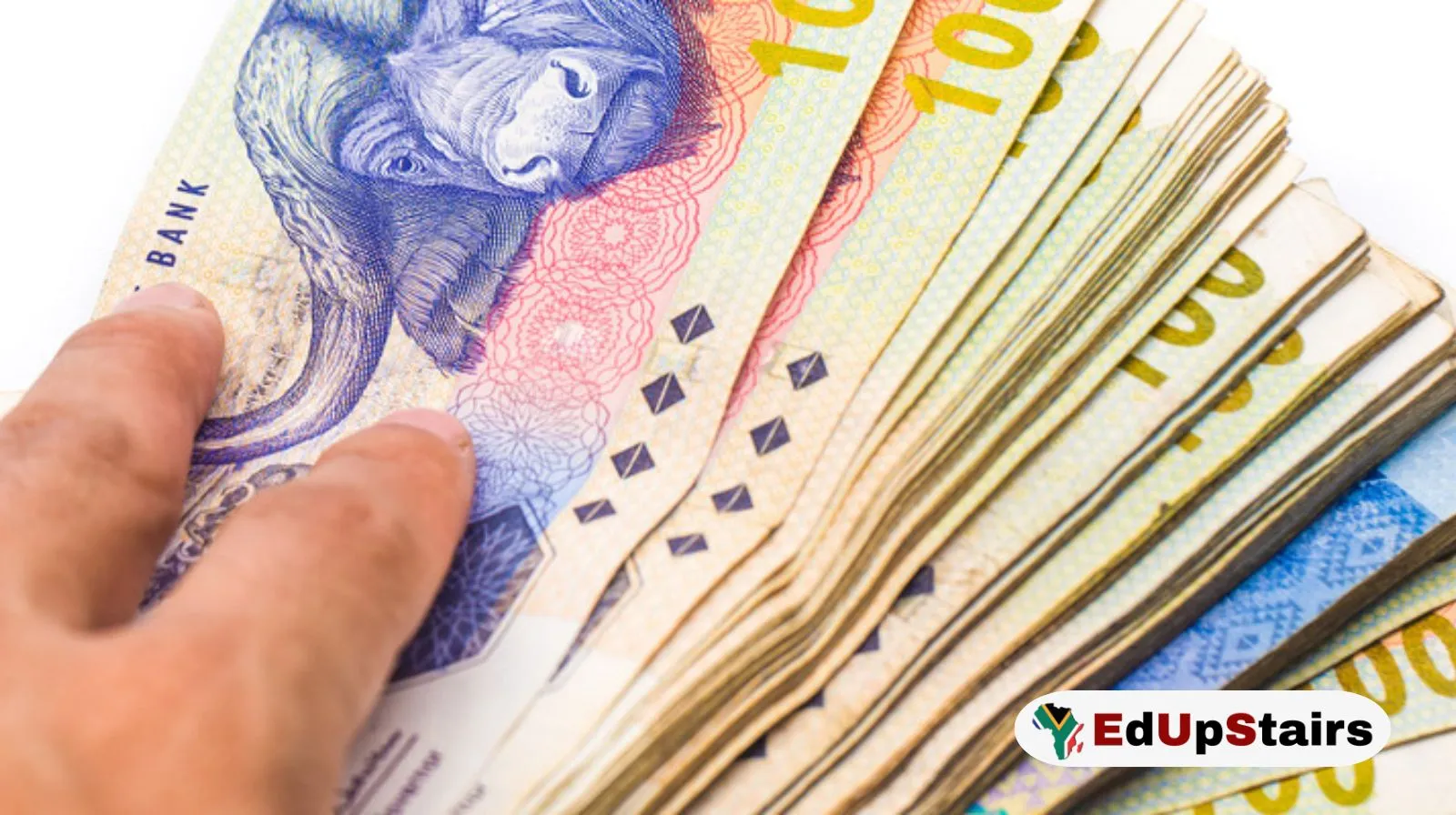
For many unemployed South Africans, payday loans may seem like a quick solution during difficult times. When there is no salary coming in, bills are piling up, and food prices continue rising, borrowing a few hundred or thousand rand can feel like the only option. But what starts as “just a small loan” often turns into a dangerous financial cycle that becomes harder to escape each month.
Across South Africa, more people are relying on short-term loans simply to survive. Reports show that payday loans and personal loans have become a “lifeline” for struggling consumers as living costs continue increasing faster than income growth.
This article explains how payday loans work, why unemployed people are especially vulnerable, and how these loans can trap borrowers in long-term debt.
Quick Overview
| Topic | Information |
| What is a payday loan? | A short-term, high-interest loan meant to be repaid quickly |
| Common borrowers | Unemployed people, grant recipients, low-income workers |
| Main danger | Repeated borrowing creates a debt cycle |
| Why people borrow | Food, transport, rent, electricity, emergencies |
| Biggest risk | Paying old loans with new loans |
| Safer alternatives | Budgeting support, debt counselling, family/community support, accredited financial assistance |
| Important law | National Credit Act (NCA) |
What Is a Payday Loan?
A payday loan is usually a small unsecured loan that must be repaid within a short period, often within one month. In South Africa, these loans are commonly advertised as:
- Quick cash loans
- Same-day loans
- Emergency loans
- One-month loans
- Easy approval loans
Many lenders promise:
- Fast approval
- No complicated paperwork
- Immediate payment
- Loans for blacklisted consumers
- Loans without traditional collateral
For someone desperate to buy food, pay transport costs, or keep electricity running, this can sound extremely attractive.
However, payday loans usually come with:
- High interest rates
- Service fees
- Initiation fees
- Short repayment periods
- Severe penalties for missed payments
Some reports note that payday loans are among the most expensive forms of credit available in South Africa.
Why Unemployed South Africans Turn to Payday Loans
South Africa continues to face extremely high unemployment levels, especially among young people. Many households survive through:
- SASSA grants
- Informal work
- Piece jobs
- Borrowing from family
- Small business income
- Temporary employment
When unexpected expenses happen, many people have no savings available.
Common reasons unemployed South Africans take payday loans include:
- Buying groceries
- Paying school transport
- Electricity purchases
- Funeral expenses
- Medical emergencies
- Rent payments
- Data and airtime for job hunting
- Supporting children
DebtBusters reported that 37% of consumers seeking debt counselling had one-month loans, commonly known as payday loans.
This shows that short-term borrowing has become deeply connected to daily survival.
How the Debt Trap Begins
The payday loan trap often starts with a very small amount.
For example:
- A person borrows R1,500
- Fees and interest are added
- Repayment becomes R2,000 or more
- The borrower cannot fully repay it
- They take another loan to cover the first one
This creates a borrowing cycle.
Soon, most of the person’s available money goes toward debt repayments instead of actual living expenses.
The borrower then becomes trapped between:
- Existing debt
- New debt
- Penalties
- Interest
- Collection pressure
Instead of solving financial problems, payday loans can make them worse over time.
The Psychological Pressure Behind Payday Loans
Financial desperation affects decision-making.
When someone is:
- Hungry
- Unemployed
- Facing eviction
- Supporting children
- Dealing with family pressure
they may focus only on immediate survival instead of long-term consequences.
This is why payday lending grows rapidly during economic hardship.
Many borrowers know the loan is expensive, but they feel they have no alternative.
Research into South African micro-lending has shown that vulnerable households often resort to informal or high-cost lending because formal financial systems are difficult to access.
Why Repeat Borrowing Becomes Dangerous
One of the biggest warning signs is repeated borrowing.
A person may start using loans for emergencies, but eventually begins borrowing for ordinary monthly expenses like:
- Bread
- Taxi fare
- Electricity
- School needs
At this stage, the loan is no longer temporary assistance. It becomes part of the person’s monthly survival system.
Some borrowers even manage multiple loans at the same time.
A TransUnion report found that many short-term borrowers already held several credit products simultaneously.
This creates serious financial pressure because repayments begin overlapping.
The Hidden Costs Many Borrowers Ignore
Most borrowers focus only on:
“How much money can I get today?”
But they often underestimate:
- Interest accumulation
- Service fees
- Initiation costs
- Late penalties
- Collection costs
Even when lenders follow legal limits under the National Credit Act, the total repayment can still become overwhelming for unemployed borrowers.
Some lenders also use aggressive collection methods, especially illegal lenders operating outside regulations.
Reports have warned that thousands of credit providers may be operating with expired or unlawful registrations, putting consumers at risk.
The Difference Between Registered Lenders and Loan Sharks
Not all lenders operate legally.
In South Africa, registered lenders must follow the rules set by the National Credit Regulator under the National Credit Act.
Legal lenders are expected to:
- Conduct affordability assessments
- Explain loan terms
- Respect interest limits
- Avoid reckless lending
However, illegal lenders and loan sharks often:
- Ignore regulations
- Charge excessive interest
- Take bank cards or IDs
- Threaten borrowers
- Trap consumers through intimidation
This becomes especially dangerous for unemployed people with limited financial protection.
Why SASSA Beneficiaries Are Vulnerable
Many unemployed South Africans depend on social grants.
Because grants provide predictable monthly income, some lenders aggressively target grant recipients.
Borrowers may use grants to:
- Repay loans
- Cover old debt
- Borrow again immediately after receiving payment
This can leave households without enough money for basic needs before the month even begins.
In severe cases, families remain trapped in continuous borrowing every month.
The Impact on Mental Health and Families
Debt stress affects more than finances.
People trapped in payday loan cycles often experience:
- Anxiety
- Depression
- Family conflict
- Shame
- Sleep problems
- Social withdrawal
Parents may struggle emotionally when they cannot provide for children.
Young unemployed adults may feel hopeless after repeated financial setbacks.
The pressure becomes worse when collectors start calling regularly or threatening legal action.
Why “Easy Loans” Are Often Misleading
Many online adverts promise:
- “Guaranteed approval”
- “Instant cash”
- “Loans in 5 minutes”
- “No credit checks”
These adverts are designed to attract financially desperate people.
But fast approval does not mean the loan is affordable.
In many cases, the easier the loan is to obtain, the more expensive it becomes.
The Role of Digital Lending Apps
Digital lending has expanded rapidly in South Africa.
Many consumers now borrow through:
- Mobile apps
- Websites
- WhatsApp-based lenders
- Online fintech platforms
The convenience makes borrowing easier than ever.
But easier access can also increase over-borrowing.
Studies show that digital and short-term lending is growing quickly as consumers seek emergency funding online.
Warning Signs That Someone Is Trapped in Payday Debt
A person may already be in financial danger if they:
- Borrow every month
- Use one loan to repay another
- Skip meals to pay debt
- Have constant deductions from their account
- Cannot survive without short-term loans
- Hide debt from family
- Receive repeated collection calls
These are serious warning signs that debt is becoming unmanageable.
Safer Alternatives to Payday Loans
Although financial pressure is real, there are safer approaches than repeated payday borrowing.
Possible alternatives include:
Debt Counselling
Registered debt counsellors can help consumers:
- Restructure debt
- Negotiate repayments
- Prevent legal action
Community Support
Some people may find temporary support through:
- Family
- Religious organisations
- Community groups
- Food relief programmes
Budget Prioritisation
Cutting non-essential spending can help reduce borrowing pressure.
Important priorities usually include:
- Food
- Transport
- Shelter
- Electricity
Avoid Illegal Lenders
Consumers should verify whether a lender is registered with the National Credit Regulator before borrowing.
What South Africans Should Remember
Payday loans are not always taken because people are irresponsible. In many cases, they are used by people trying to survive extremely difficult economic conditions.
However, short-term relief can quickly become long-term financial pain.
The danger is not only the loan itself, but the cycle that follows:
- Borrowing
- Repaying
- Falling short again
- Borrowing again
Without stable income, escaping this cycle becomes very difficult.
That is why unemployed South Africans must approach payday loans with extreme caution.
Edupstairs Advice
If you are unemployed and considering a payday loan, ask yourself one important question:
“Will I realistically be able to repay this without borrowing again next month?”
If the answer is no, the loan may create bigger problems later.
Short-term loans should never become part of your normal monthly survival plan. Before borrowing, explore safer options, speak to trusted family members, or seek financial counselling where possible.
Many South Africans are under severe financial pressure right now, but repeated high-interest borrowing can deepen hardship instead of solving it.
Frequently Asked Questions (FAQ)
- Are payday loans legal in South Africa?
Yes. Registered lenders may legally provide short-term loans under the National Credit Act.
- Can unemployed people qualify for payday loans?
Some lenders approve unemployed applicants if they receive grants, informal income, or other regular payments.
- What happens if you cannot repay a payday loan?
The lender may charge penalties, contact you for collections, or take legal action depending on the situation.
- Are all payday lenders registered?
No. Some operate illegally without proper NCR registration.
- Can payday loans affect your credit record?
Yes. Missed payments and defaults may negatively impact your credit profile.
You can also:
- View latest Internships
- View latest Learnerships
- View Latest Bursaries
- View latest Government jobs
- View latest Company Vacancies
- View latest Municipality vacancies
- Visit the Edupstairs blog for daily updates
Disclaimer
This article is for educational and informational purposes only and does not constitute financial or legal advice. Always verify lenders through the National Credit Regulator before borrowing money.
EDUPSTAIRS IS A REGISTERED NON-PROFIT ORGANISATION NPO No: 232 – 182, PUBLIC BENEFIT ORGANISATION (PBO): 930066984. EDUPSTAIRS DOES NOT, IN ANY WAY OR FORM, SOLICIT MONEY OR CV’S FROM PEOPLE FOR JOBS. PLEASE BE AWARE OF PHONY JOB POSTINGS AND RECRUITMENT FRAUD. USE THE EDUPSTAIRS SCAM DETECTOR TOOL TO SPOT A SCAM BEFORE YOU APPLY