
Millions of South Africans who rely on the Social Relief of Distress (SRD) grant may soon experience stricter verification processes as government intensifies efforts to combat fraud, identity theft, and incorrect payments. The SRD grant, administered by South African Social Security Agency, has become one of the country’s most important forms of financial support for unemployed people and vulnerable households. However, with rising concerns over fraudulent applications and payment irregularities, authorities are now introducing stronger verification measures.
These upcoming changes are expected to affect how applicants register, update details, verify identity information, and receive payments. While government says the new system is designed to protect public funds and ensure only qualifying beneficiaries receive assistance, many applicants are worried about delays, rejections, and additional administrative hurdles.
For current SRD beneficiaries and new applicants, understanding these verification changes will be critical in 2026 and beyond.
Quick Overview
- Grant affected: SRD R370 Grant
- Administered by: South African Social Security Agency
- Main focus of changes:
- Biometric verification
- Identity matching
- Bank account validation
- Fraud detection systems
- Mobile number ownership checks
- Purpose:
- Reduce fraud and duplicate applications
- Improve payment accuracy
- Strengthen grant security
- Who may be affected:
- Existing beneficiaries
- New SRD applicants
- Applicants flagged for verification
- Possible outcomes:
- Delayed payments
- Temporary suspension
- Requests for additional documents
- Reconfirmation of personal details
Why Government Is Tightening SRD Verification
The SRD grant was initially introduced during the COVID-19 pandemic to provide temporary relief to unemployed South Africans. Over time, it evolved into a long-running support mechanism for millions of people facing economic hardship.
However, as the programme expanded, government institutions identified several challenges, including:
- Fraudulent applications using stolen identities
- Multiple applications linked to one person
- Incorrect banking details
- Applicants failing means tests
- Undeclared income sources
- Syndicates exploiting the system
Authorities have repeatedly stated that stronger verification systems are necessary to ensure public funds reach deserving beneficiaries.
The verification upgrades are also linked to broader government plans to modernise digital public services and improve identity authentication systems.
What Verification Changes Are Expected?
Biometric Verification May Become More Common
One of the biggest changes expected is the wider use of biometric verification.
This process may require applicants to confirm their identity using facial recognition or fingerprint technology. Some beneficiaries have already been asked to complete biometric checks through digital systems after being flagged for suspicious activity.
Biometric verification is intended to:
- Confirm that the applicant is a real person
- Prevent identity theft
- Reduce duplicate applications
- Stop fraud involving stolen ID numbers
Applicants who fail biometric verification could experience delays or suspension of payments until their identity is successfully confirmed.
Mobile Number Ownership Checks
Government is also increasing checks on cellphone numbers linked to SRD applications.
In the past, many applicants used numbers registered in another person’s name. This created difficulties when verifying identities and processing payments.
Under stricter rules, applicants may now be required to:
- Use a cellphone number registered in their own name
- Verify ownership of the SIM card
- Update outdated contact details
Failure to comply could result in verification issues or missed communication from SASSA.
Stronger Bank Account Verification
Banking verification is another area receiving increased attention.
Authorities are improving systems that compare:
- ID numbers
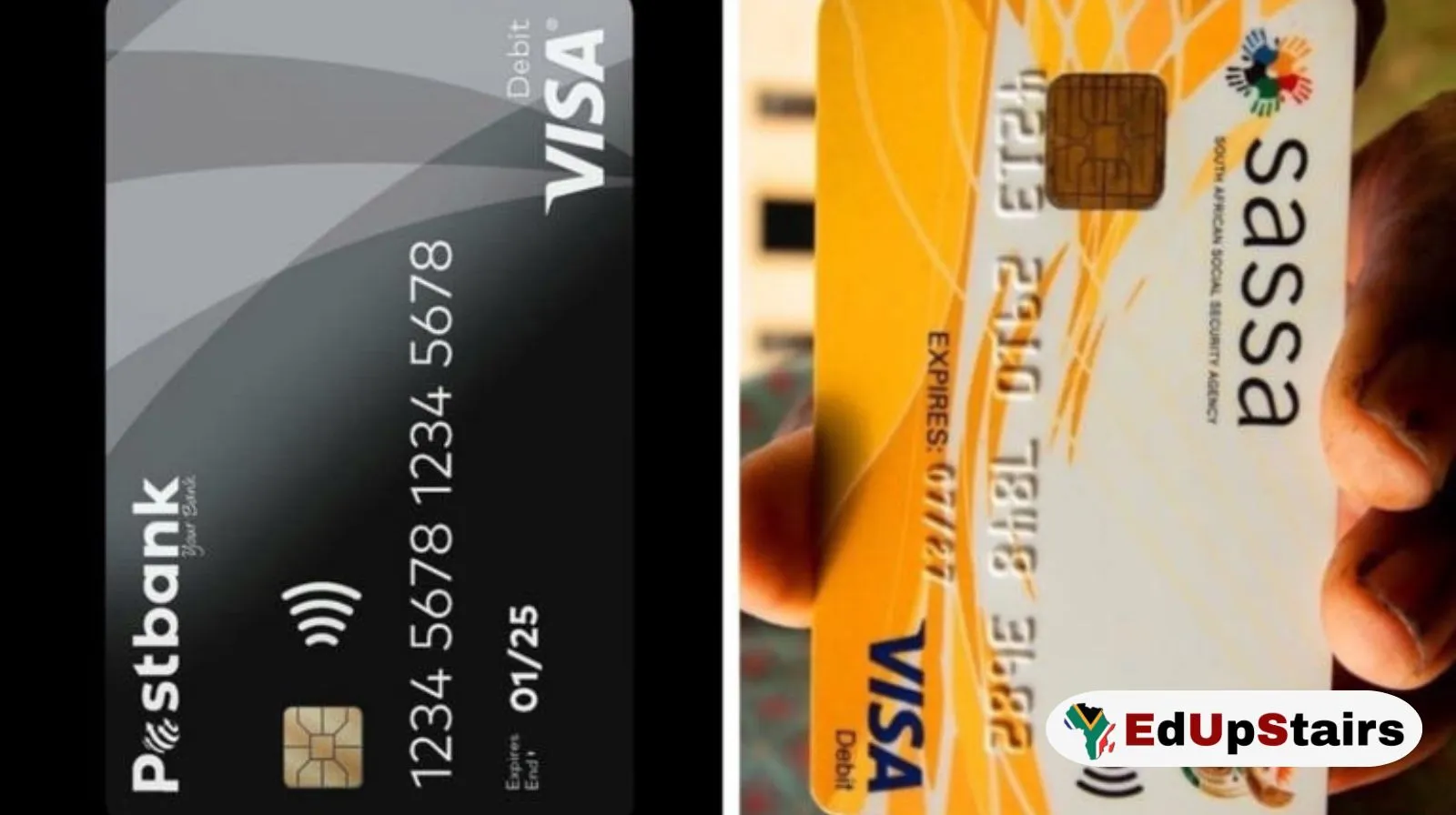
- Banking details
- Names linked to accounts
- Income records
Applicants whose bank details do not match their personal information may face payment delays.
This is meant to prevent situations where grants are paid into accounts belonging to other individuals or fraudsters.
More Frequent Means Testing
The SRD grant remains subject to a means test, which checks whether applicants have income above the qualifying threshold.
Government is expected to conduct these checks more regularly using data from:
- Banks
- SARS records
- UIF systems
- NSFAS databases
- Employment records
Applicants who suddenly show signs of income may be flagged for reassessment.
In some cases, beneficiaries may receive notices asking them to reconfirm their financial circumstances.
Reconfirmation of Personal Information
Many beneficiaries may soon be asked to regularly confirm or update information such as:
- Residential address
- Employment status
- Banking details
- Contact numbers
- Income situation
This process could become a routine requirement rather than a once-off exercise.
Applicants who ignore requests to update information may risk suspension of their grant.
Why Some Beneficiaries Are Being Flagged
SASSA’s verification systems automatically identify accounts showing unusual activity or inconsistencies.
Common reasons applicants may be flagged include:
- Multiple applications linked to one ID
- Incorrect banking details
- Mismatch between ID and cellphone records
- Suspicious income activity
- Use of shared devices during applications
- Frequent changes to personal details
Being flagged does not always mean fraud has occurred. Sometimes the system simply requires additional confirmation before payments can continue.
How These Changes Could Affect Payments
While the goal of tighter verification is to improve the system, some applicants may experience challenges during the transition period.
Possible issues include:
- Payment delays
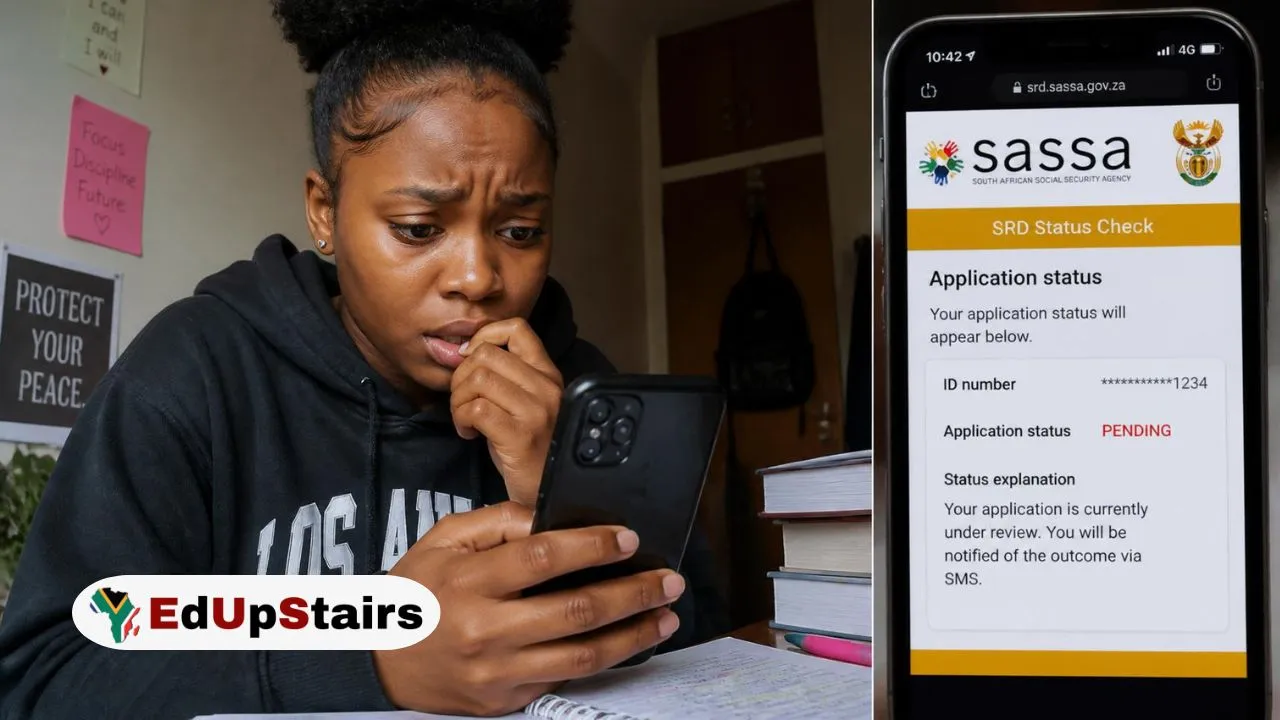
- Pending application statuses
- Verification requests
- Temporary suspension
- Appeals and reconsiderations
Applicants are encouraged to monitor their application status regularly and respond quickly to any verification requests.
What Applicants Should Do Now
To avoid problems, SRD beneficiaries should begin preparing early.
Make Sure Your Information Is Correct
Check that your:
- ID number is accurate
- Cellphone number is active
- Banking details are correct
- Names match official records
Even small mistakes can trigger verification delays.
Use Your Own Phone Number
Using another person’s number could create complications during identity checks.
If necessary, update your contact details through official SASSA channels.
Avoid Fraudulent Assistance
Many scammers claim they can “fix” SRD applications or guarantee approvals for a fee.
Applicants should never:
- Share OTP codes
- Give away passwords
- Pay people to “approve” grants
- Submit fake documents
Only use official SASSA platforms for SRD matters.
Monitor Your Application Status
Applicants should regularly check their SRD status for:
- Verification notices
- Appeal outcomes
- Payment dates
- Requests for updates
Ignoring messages could result in interrupted payments.
The Bigger Picture Behind These Verification Changes
The verification changes are part of a broader shift toward digital governance and stricter social grant administration in South Africa.
Government is under pressure to:
- Reduce wasteful expenditure
- Improve accountability
- Prevent corruption
- Protect taxpayer funds
- Modernise welfare systems
At the same time, civil society groups continue raising concerns that excessive verification requirements could unfairly affect vulnerable people who lack smartphones, internet access, or formal banking services.
Balancing fraud prevention with accessibility remains one of the biggest challenges facing the SRD system.
Could SRD Verification Become Permanent?
There is growing discussion around the future of the SRD grant itself.
Some policymakers believe South Africa may eventually move toward a more permanent form of income support for unemployed adults. If that happens, advanced verification systems would likely become a permanent feature of the social assistance framework.
This means beneficiaries may need to become increasingly familiar with digital verification processes in the years ahead.
Edupstairs Advice
SRD beneficiaries should not panic about the upcoming verification changes, but they should take them seriously. Most problems occur because of incorrect information, outdated contact details, or failure to respond to verification requests.
To reduce the risk of payment delays:
- Keep your information updated
- Use your own banking and cellphone details
- Monitor your application regularly
- Avoid scams and unofficial “agents”
- Respond quickly to verification requests
As government strengthens anti-fraud systems, applicants who maintain accurate information are likely to experience fewer disruptions.
Frequently Asked Questions
- Will everyone need biometric verification?
Not necessarily. However, applicants flagged for identity concerns or suspicious activity may be asked to complete biometric verification.
- Can my SRD grant be suspended during verification?
Yes. Payments may be temporarily delayed or suspended until verification is completed successfully.
- What happens if my banking details do not match?
SASSA may reject or delay payments until the banking information is corrected.
- Can I use someone else’s cellphone number?
This is becoming increasingly risky. Applicants are encouraged to use numbers registered in their own names.
- Will these changes affect new applicants only?
No. Existing beneficiaries may also be asked to undergo additional verification checks.
You can also:
- View latest Internships
- View latest Learnerships
- View Latest Bursaries
- View latest Government jobs
- View latest Company Vacancies
- View latest Municipality vacancies
- Visit the Edupstairs blog for daily updates
Disclaimer:
This article is for informational purposes only and is based on publicly discussed SRD grant verification developments and government policy discussions. Verification processes, qualifying criteria, and payment systems may change at any time. Applicants should always confirm information through official South African Social Security Agency communication channels.
EDUPSTAIRS IS A REGISTERED NON-PROFIT ORGANISATION NPO No: 232 – 182, PUBLIC BENEFIT ORGANISATION (PBO): 930066984. EDUPSTAIRS DOES NOT, IN ANY WAY OR FORM, SOLICIT MONEY OR CV’S FROM PEOPLE FOR JOBS. PLEASE BE AWARE OF PHONY JOB POSTINGS AND RECRUITMENT FRAUD. USE THE EDUPSTAIRS SCAM DETECTOR TOOL TO SPOT A SCAM BEFORE YOU APPLY