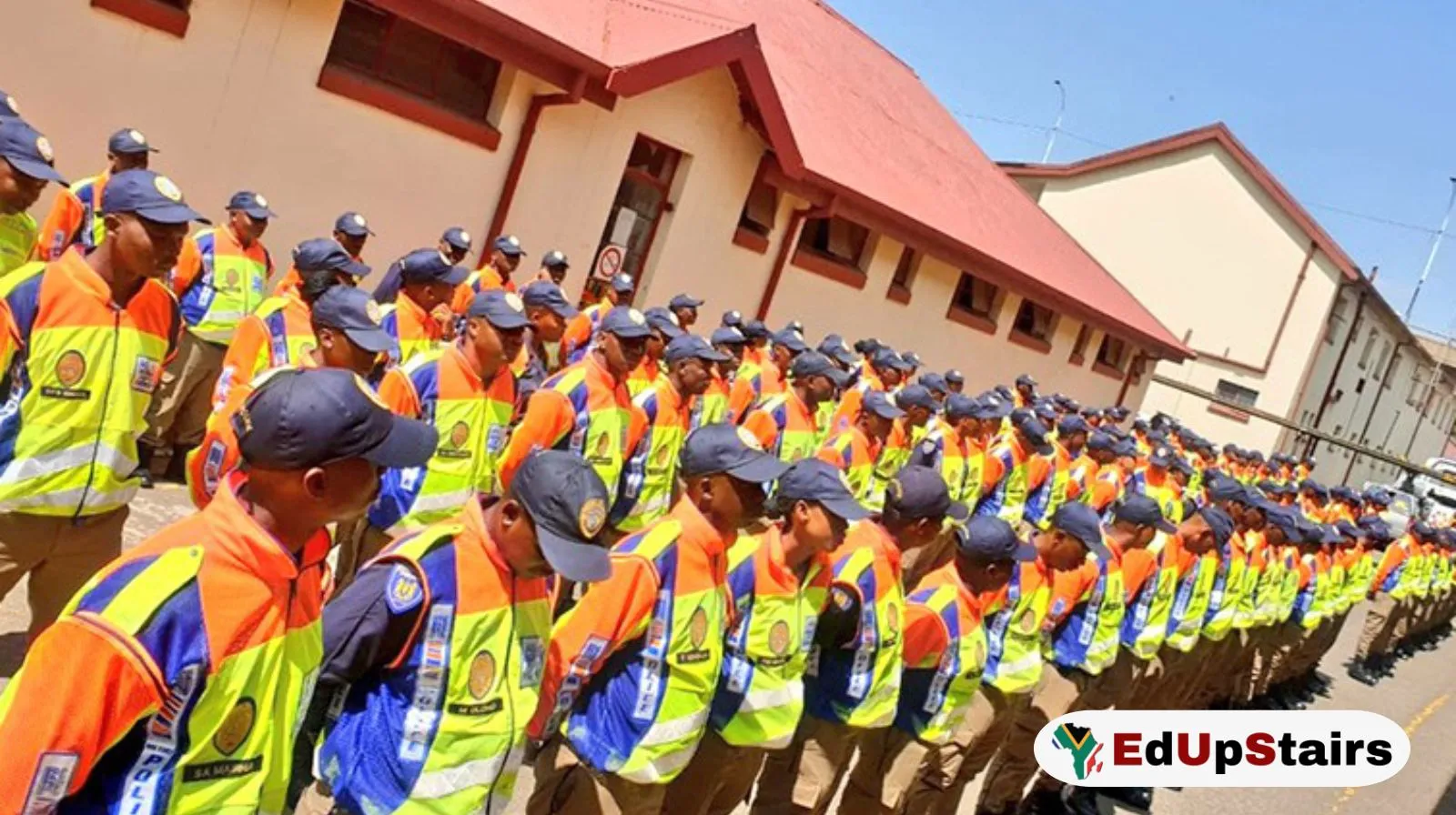

Becoming a Metro Police Officer is one of the most popular career goals among South African youth today — and for good reason. Metro Police careers offer stable employment, structured training, career growth, and the opportunity to serve communities directly. Many young people are attracted to the discipline, authority, uniform, and long-term government employment benefits that come with the profession.
- Check if you Qualify for a Traffic Officer Learnership
- How to Prepare for a Traffic Officer Learnership for 2026
- Traffic Officer Trainee Psychometric Tests: What They Look For (And How To Pass)
However, many applicants still do not fully understand how the recruitment process actually works. Some think you can apply immediately after matric and get accepted automatically. Others believe fitness alone is enough. The reality is that Metro Police recruitment is competitive, highly structured, and different in every municipality.
This guide explains the full process step-by-step — from having no experience at all to potentially becoming a fully trained Metro Police Officer in South Africa.
Quick Overview
| Category | Details |
| Career | Metro Police Officer |
| Sector | Local Government / Law Enforcement |
| Minimum Qualification | Grade 12 (Matric) |
| Driver’s Licence | Usually Code B required |
| Criminal Record | Must be clear |
| Age Requirement | Usually 18–35 years |
| Fitness Testing | Mandatory |
| Psychometric Testing | Mandatory |
| Training Duration | 12–24 months depending on municipality |
| Main Employers | Johannesburg Metro Police Department (JMPD), Tshwane Metro Police Department (TMPD), Ekurhuleni Metro Police Department (EMPD), Cape Town Metro Police, Durban Metro Police |
| Salary Range | Entry-level varies by municipality |
| Career Growth | Traffic policing, K9, tactical units, detectives, operations |
What Is a Metro Police Officer?
A Metro Police Officer is a municipal law enforcement officer responsible for enforcing by-laws, road traffic regulations, crime prevention support, and public safety within metropolitan municipalities.
Unlike SAPS officers, Metro Police operate under local government structures instead of national policing structures.
Their duties often include:
- Road traffic law enforcement
- Crime prevention patrols
- Visible policing
- By-law enforcement
- Vehicle checkpoints
- Crowd management
- Assisting during emergencies
- Supporting anti-crime operations
Some Metro Police departments also have specialised units including:
- K9 Units
- Highway Patrol Units
- Tactical Response Teams
- Public Order Units
- Undercover Operations
- Drug Enforcement Teams
- CCTV Monitoring Units
Step 1: Complete Your Matric
Your first major requirement is obtaining a Grade 12 certificate.
Most Metro Police departments require:
- Grade 12 / National Senior Certificate
- English proficiency
- Sometimes an additional language
- Basic numeracy or mathematics literacy
While some municipalities may not require high marks, stronger results can improve competitiveness during recruitment.
Subjects that may help include:
- English
- Life Orientation
- Mathematics Literacy
- Physical Sciences
- Computer Applications Technology
Even if you already left school years ago, you can still apply once you have matric.
Step 2: Get a Valid Driver’s Licence
This is one of the biggest mistakes applicants make.
Many people wait until recruitment opens before trying to get a licence. By then, it is usually too late.
Most Metro Police departments require:
- A valid Code B driver’s licence
- Sometimes manual transmission competency
- Sometimes no endorsements
Some municipalities may later require advanced driving during training.
If you are serious about becoming a Metro Police Officer, getting your licence early should be a priority.
Step 3: Maintain a Clean Criminal Record
This is critical.
Metro Police departments conduct background screening and vetting.
You may be disqualified for:
- Criminal convictions
- Fraud-related offences
- Drug-related crimes
- Violent offences
- Dishonesty during application
- Fake qualifications
Even pending cases can affect applications.
Applicants should also avoid:
- Social media misconduct
- Gang affiliations
- Substance abuse
- Fake documentation
Integrity is taken seriously in law enforcement recruitment.
Step 4: Improve Your Physical Fitness
Metro Police training is physically demanding.
Most departments conduct physical assessments that may include:
- Running tests
- Push-ups
- Sit-ups
- Endurance testing
- Strength testing
- Obstacle courses
Many applicants fail here because they underestimate the physical requirements.
You do not need to be a professional athlete, but you must build:
- Cardiovascular endurance
- Strength
- Discipline
- Agility
- Mental toughness
A good starting routine includes:
- Daily jogging
- Core exercises
- Push-ups
- Squats
- Stretching
- Healthy eating
Consistency matters more than extreme workouts.
Step 5: Watch for Metro Police Trainee Advertisements
You cannot simply walk into a Metro Police department and apply anytime.
Recruitment usually happens through official trainee intake advertisements.
Common recruitment channels include:
- Municipal websites
- Government vacancy portals
- Municipal social media pages
- Local newspapers
- Official municipal recruitment portals
Popular Metro Police departments include:
- Johannesburg Metropolitan Police Department
- Tshwane Metro Police Department
- Ekurhuleni Metropolitan Police Department
- Cape Town Metro Police
- eThekwini Metro Police
Recruitment does not happen every month. Some municipalities recruit once every few years depending on budgets and operational needs.
This is why preparation before recruitment opens is so important.
Step 6: Prepare Your Documents Properly
Most applications require:
- Certified copy of ID
- Certified matric certificate
- Driver’s licence copy
- Updated CV
- Proof of residence
- Completed application form
- Sometimes medical questionnaires
Important tips:
- Ensure certification is recent
- Use a professional CV
- Double-check contact numbers
- Use an active email address
- Follow instructions carefully
Many applications are rejected simply because documents are incomplete.
Step 7: Pass the Initial Screening
After applications close, municipalities shortlist candidates.
The first screening phase may include:
- Qualification verification
- Driver’s licence verification
- Criminal checks
- Citizenship verification
- Age verification
Only shortlisted candidates move to the next phase.
Competition is usually extremely high.
Thousands may apply for only a few hundred positions.
Step 8: Complete Fitness Assessments
Fitness testing is often the first major elimination stage.
Common tests may include:
- 2.4km run
- Sprint tests
- Push-ups
- Sit-ups
- Flexibility assessments
Requirements differ between municipalities.
Applicants who arrive unprepared often fail immediately.
This is why physical preparation months before applications open is essential.
Step 9: Undergo Medical Evaluations
Law enforcement officers must be medically fit.
Medical evaluations may include:
- Vision testing
- Hearing tests
- General health screening
- Blood pressure checks
- Drug testing
Poor eyesight, untreated conditions, or substance abuse issues may affect eligibility.
Step 10: Complete Psychometric Assessments
Many applicants underestimate psychometric testing.
Metro Police departments assess:
- Decision-making
- Emotional stability
- Stress tolerance
- Problem-solving
- Communication skills
- Behavioural suitability
The goal is to determine whether candidates can handle pressure and public responsibility.
Remain calm and answer honestly.
Step 11: Attend Interviews
Successful candidates may be invited for panel interviews.
Questions often focus on:
- Why you want to join Metro Police
- Understanding of public service
- Discipline
- Community safety
- Conflict handling
- Ethical conduct
Good preparation matters.
Research the municipality and understand its law enforcement role before attending.
Step 12: Complete Metro Police Training
Successful recruits enter official training academies.
Training usually includes:
- Traffic law
- Municipal by-laws
- Criminal procedure
- Firearm handling
- Self-defence
- Physical training
- Public relations
- Patrol procedures
- Report writing
- Emergency response
Training can be intense and disciplined.
Recruits may face:
- Early morning drills
- Strict attendance requirements
- High academic expectations
- Practical assessments
Some trainees drop out because they underestimate the discipline required.
Step 13: Graduate and Begin Field Work
After training, recruits may officially become Metro Police Officers.
Probation periods may apply.
New officers are usually assigned to:
- Patrol units
- Traffic enforcement
- Community operations
- Roadblocks
- Public safety operations
Experience gained in the first few years is extremely valuable.
Common Mistakes Applicants Make
Waiting Too Long to Prepare
Many youth only start preparing when recruitment opens.
By then they may not have:
- Driver’s licence
- Fitness levels
- Proper documents
Falling for Recruitment Scams
No legitimate Metro Police job should require payment.
Avoid:
- Fake Facebook recruiters
- WhatsApp “agents”
- Payment-for-job scams
Always verify opportunities through official municipal channels.
Ignoring Fitness
Physical testing eliminates many applicants early.
Fitness preparation should start long before applications open.
Using Fake Qualifications
Verification systems are strict.
Fake documents can lead to permanent disqualification and criminal charges.
Can You Become a Metro Police Officer Without Connections?
Yes — but competition is high.
Many successful officers entered through legitimate trainee programmes without political connections.
What matters most is:
- Meeting requirements
- Proper preparation
- Discipline
- Consistency
- Persistence
Strong preparation can significantly improve your chances.
Metro Police vs SAPS: What’s the Difference?
| Metro Police | SAPS |
| Municipal government | National government |
| Focus on by-laws and traffic | Broader criminal investigations |
| Works within metro areas | Nationwide jurisdiction |
| Municipal training structures | SAPS academies |
| Local law enforcement | National policing |
Some people later move from Metro Police into SAPS or other law enforcement careers.
Edupstairs Advice
If becoming a Metro Police Officer is your goal, start preparing before recruitment opens.
Focus on these five priorities:
- Finish matric
- Get your driver’s licence
- Build fitness
- Keep a clean record
- Follow official recruitment channels
Do not wait for advertisements before taking action.
The applicants who usually succeed are the ones who prepared months — sometimes years — in advance.
Metro Police careers are competitive because they provide stable employment and long-term opportunities. Treat the process seriously from the beginning.
Frequently Asked Questions (FAQ)
- What qualifications do I need to become a Metro Police Officer?
Most municipalities require Grade 12 and a valid driver’s licence.
- Do I need experience?
No. Most trainee programmes are designed for beginners.
- Is Metro Police training paid?
This depends on the municipality. Some trainee programmes provide stipends or trainee salaries.
- How long does training take?
Training duration differs but may range between 12 and 24 months.
- Can I apply without a driver’s licence?
Most Metro Police departments require a valid licence.
- Is there an age limit?
Most programmes target youth between 18 and 35 years old.
- Can women apply?
Yes. Metro Police recruitment is open to both men and women.
- Are tattoos allowed?
Policies differ between municipalities.
- Is fitness very important?
Yes. Fitness testing is one of the biggest elimination stages.
You can also:
- View latest Internships
- View latest Learnerships
- View Latest Bursaries
- View latest Government jobs
- View latest Company Vacancies
- View latest Municipality vacancies
- Visit the Edupstairs blog for daily updates
Disclaimer
This article is for informational and career guidance purposes only. Recruitment requirements and training standards may differ between municipalities and may change over time. Always verify information directly with the official municipality or Metro Police department before applying.
EDUPSTAIRS IS A REGISTERED NON-PROFIT ORGANISATION NPO No: 232 – 182, PUBLIC BENEFIT ORGANISATION (PBO): 930066984. EDUPSTAIRS DOES NOT, IN ANY WAY OR FORM, SOLICIT MONEY OR CV’S FROM PEOPLE FOR JOBS. PLEASE BE AWARE OF PHONY JOB POSTINGS AND RECRUITMENT FRAUD. USE THE EDUPSTAIRS SCAM DETECTOR TOOL TO SPOT A SCAM BEFORE YOU APPLY