
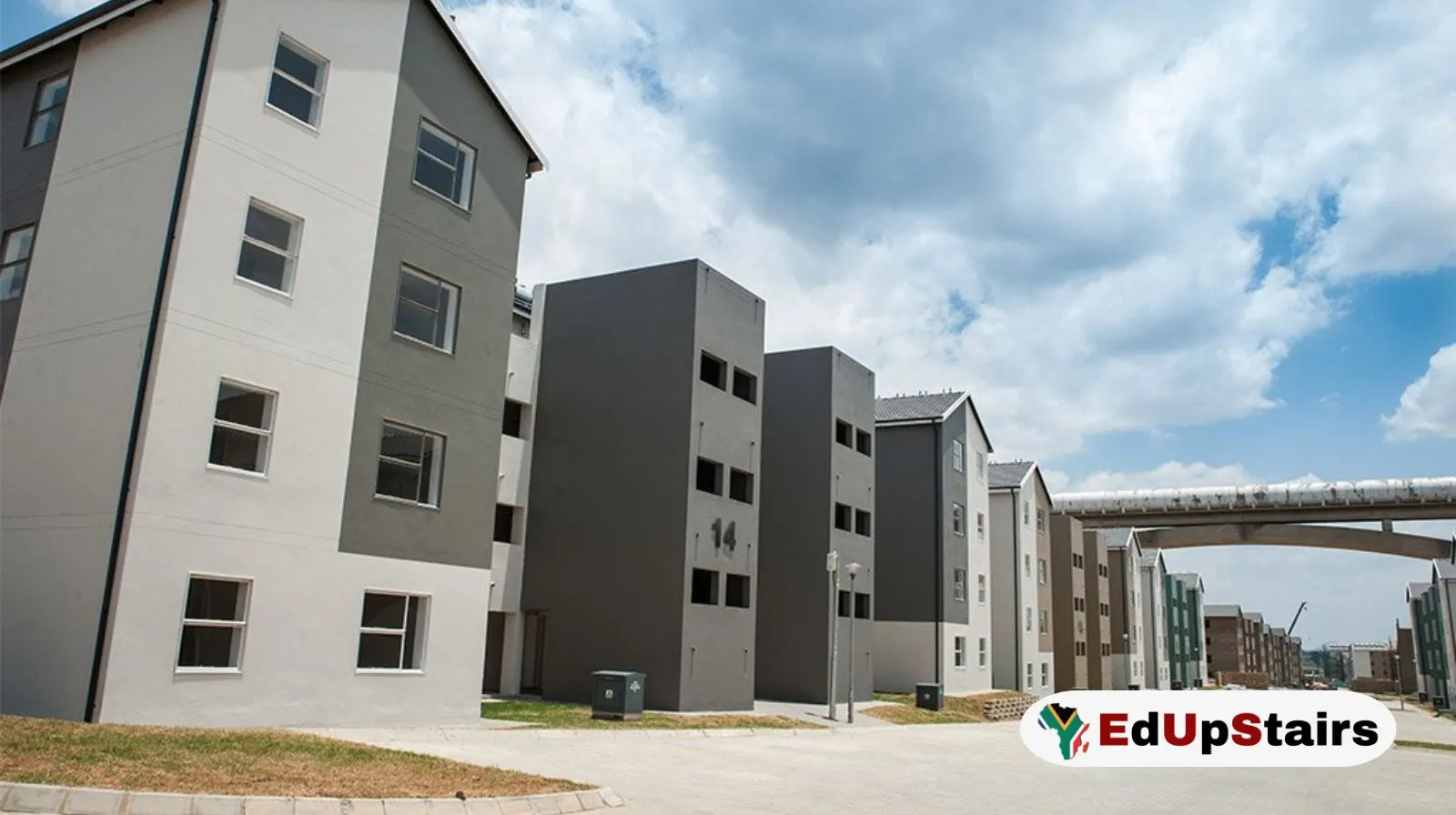
For many South Africans, owning a formal home remains one of the biggest life goals. Government housing programmes continue to play an important role in helping low-income households access safe and permanent accommodation. One of the most important housing programmes in South Africa today is the Breaking New Ground (BNG) Housing Programme.
Many people still refer to government houses as “RDP houses,” but over the years the housing programme has evolved. Today, BNG housing has become the broader housing approach used by government to improve the quality of life for beneficiaries.
In this article, we explain:
- What BNG housing is
- The difference between BNG and RDP houses
- Who qualifies
- How to apply
- What documents are needed
- How long the process can take
- How to check your housing application status online
Quick Overview
| Topic | Information |
| Programme Name | Breaking New Ground (BNG) Housing |
| Country | South Africa |
| Managed By | Provincial Human Settlements Departments and Municipalities |
| Main Purpose | Provide free government housing to qualifying low-income households |
| Income Requirement | Usually households earning below R3 500 per month |
| Citizenship Requirement | South African citizen or permanent resident |
| Minimum Age | 18 years or older |
| Property Ownership Rule | Must not have previously owned property |
| Status Check Website | HSS Online |
What Is BNG Housing?
Breaking New Ground (BNG) housing is South Africa’s modern government housing policy designed to provide better-quality housing and more sustainable communities for low-income citizens.
The BNG policy was introduced to improve on the earlier Reconstruction and Development Programme (RDP) housing model. Government wanted to move beyond simply building houses and instead create complete human settlements with:
- Roads
- Schools
- Clinics
- Electricity
- Water
- Sanitation
- Public transport access
- Economic opportunities
The goal of BNG housing is not just shelter, but improved living conditions and long-term community development.
The Difference Between BNG Houses and RDP Houses
One of the biggest misconceptions is that BNG houses and RDP houses are completely different programmes. In reality, BNG housing evolved from the earlier RDP housing system.
What are RDP Houses?
RDP houses were introduced after 1994 under the Reconstruction and Development Programme. They were designed to help poor South Africans access basic housing after apartheid.
These homes were usually:
- Small starter houses
- Built quickly to address housing backlogs
- Focused mainly on providing shelter
Many South Africans still use the term “RDP house” because it became widely known across the country.
What Are BNG Houses?
BNG houses are part of a newer and more comprehensive housing strategy.
Compared to older RDP houses, BNG developments often aim to include:
- Better urban planning
- Larger community development
- Improved infrastructure
- Integrated housing projects
- Better access to services and transport
In many areas, people still call BNG homes “RDP houses,” even though they are technically part of the newer housing framework.
Key Differences Between BNG and Older RDP Housing
| RDP Housing | BNG Housing |
| Focused mainly on shelter | Focuses on sustainable communities |
| Earlier housing model | Updated housing policy |
| Smaller developments | Integrated developments |
| Basic service delivery | Improved infrastructure planning |
| Limited economic integration | Greater focus on access to opportunities |
Who Qualifies for BNG Housing in South Africa?
Although requirements can vary slightly by province, the general qualification requirements include:
- You must be a South African citizen or permanent resident
- You must be 18 years or older
- You must be married, cohabiting, or have dependants
- You must earn below the qualifying household income threshold
- You must not have previously owned property
- You must not have benefited from a government housing subsidy before
Priority is often given to:
- Elderly applicants
- Persons living with disabilities
- Child-headed households
- Military veterans
- Female-headed households
- People living in informal settlements
Important Income Requirements
In most cases, BNG housing is aimed at households earning less than R3 500 per month.
However, some housing programmes may include subsidy categories for households earning more than this amount.
Applicants should always confirm the latest qualifying thresholds with their provincial Department of Human Settlements.
Documents Needed to Apply for BNG Housing
Applicants are usually required to submit the following documents:
- South African ID document or smart ID card
- Birth certificates of dependants
- Proof of income
- Affidavit confirming unemployment (if unemployed)
- Marriage certificate (if married)
- Proof of residence
- Proof of disability (if applicable)
Some municipalities may request additional supporting documents.
How to Apply for BNG Housing in South Africa
The application process normally takes place through municipalities or provincial Departments of Human Settlements.
Step 1: Visit Your Local Municipality or Human Settlements Office
Go to your nearest:
- Municipal housing office
- Human Settlements office
- Housing customer care centre
Officials will help you register on the National Housing Needs Register.
Step 2: Complete the Housing Application Forms
Applicants must complete the official housing subsidy application forms.
Make sure all details are correct, including:
- ID number
- Contact information
- Income information
- Household details
Incorrect information can delay your application.
Step 3: Submit Supporting Documents
Attach all required supporting documents.
Officials may reject incomplete applications.
Step 4: Receive Confirmation of Registration
After submission, your details are captured on the housing database.
You may receive:
- A housing reference number
- Registration proof
- Confirmation slip
Keep this information safe.
How Long Does the BNG Housing Process Take?
This is one of the most common questions asked by applicants.
Unfortunately, there is no fixed waiting period.
Housing allocation depends on:
- Budget availability
- Land availability
- Housing project development
- Municipal planning
- Verification processes
- Demand in your area
Some applicants wait several years before receiving housing opportunities.
Why Some Housing Applications Take Longer Than Others
Several factors can delay housing allocation:
- High demand in urban areas
- Incomplete documentation
- Verification problems
- Duplicate registrations
- ID or personal information mismatches
- Waiting list backlogs
- Land disputes
- Infrastructure delays
This is why applicants should regularly update their contact details with housing authorities.
How South Africans Can Check Their BNG Housing Application Status Online
One of the most useful tools available to applicants is the Human Settlements Housing Subsidy System website.
Applicants can check their housing application status online through:
Human Settlements Housing Subsidy System (HSS Online)
Information You May Need
To check your status, you may need:
- Your South African ID number
- Your housing reference number
- Your personal details
The system may display:
- Registration status
- Subsidy approval progress
- Beneficiary information
- Housing project details
Common Reasons Why Your Housing Status May Not Appear
Sometimes applicants panic when they cannot find their information online.
Possible reasons include:
- Your application has not yet been captured
- System updates are still pending
- Your details may contain errors
- Your application may require verification
- Your municipality may still be processing records
If this happens, contact your municipality or provincial Human Settlements office.
Can You Apply If You Are Unemployed?
Yes. Many unemployed South Africans qualify for BNG housing.
In fact, the programme is mainly designed to assist low-income and vulnerable households.
Unemployed applicants may need to provide:
- An affidavit confirming unemployment
- SASSA proof (if applicable)
- Supporting household information
Can You Sell a BNG House?
Government housing beneficiaries are generally restricted from immediately selling their houses.
In many cases:
- A pre-emptive clause applies
- The property may not be sold within a certain period
- Beneficiaries may need government approval before selling
This is meant to prevent abuse of the housing subsidy system.
Warning About Housing Scams
Unfortunately, housing scams are common in South Africa.
Be careful of people who:
- Promise houses for payment
- Claim they can “push” your application
- Sell fake beneficiary lists
- Ask for bribes
Government housing applications are not supposed to require bribes or illegal payments.
Always use official government channels.
Related Articles:
What Happens If Two People Apply for Government Housing Using One Address in South Africa?
How Government Verifies RDP Housing Beneficiaries in South Africa
How to Apply for Government Housing Subsidy in South Africa
South Africans Can Now Check Their RDP Housing Application Status Online Using Their ID Numbers
Edupstairs Advice
Government housing applications require patience, accurate information, and regular follow-ups. Many delays happen because applicants change cellphone numbers, move to new addresses, or fail to update their records.
South Africans should:
- Keep copies of all housing documents
- Never pay bribes
- Regularly check their housing status
- Update contact details when they change
- Use official government systems only
It is also important to understand that housing allocation depends on availability, planning, and verification processes. Applying early and keeping your records accurate can help avoid unnecessary delays later.
Frequently Asked Questions (FAQ)
- Is BNG housing free?
Yes, qualifying beneficiaries usually receive government housing subsidies that cover the cost of the home.
- Can single people apply?
In some cases yes, especially if the applicant has dependants or falls under special categories.
- Can I apply if I already own property?
No. Applicants generally must not have previously owned property.
- Can I apply in another province?
You usually apply in the province or municipality where you currently reside.
- Is BNG the same as RDP?
BNG is the newer housing policy framework that evolved from the older RDP housing programme.
- How do I know if my application was approved?
You can check through your municipality or online using the HSS system.
You can also:
- View latest Internships
- View latest Learnerships
- View Latest Bursaries
- View latest Government jobs
- View latest Company Vacancies
- View latest Municipality vacancies
- Visit the Edupstairs blog for daily updates
Disclaimer
This article is for informational and educational purposes only. Housing policies, qualifying criteria, and application procedures may change depending on government regulations and provincial housing departments. Applicants should always verify information directly with their municipality or the Department of Human Settlements.
EDUPSTAIRS IS A REGISTERED NON-PROFIT ORGANISATION NPO No: 232 – 182, PUBLIC BENEFIT ORGANISATION (PBO): 930066984. EDUPSTAIRS DOES NOT, IN ANY WAY OR FORM, SOLICIT MONEY OR CV’S FROM PEOPLE FOR JOBS. PLEASE BE AWARE OF PHONY JOB POSTINGS AND RECRUITMENT FRAUD. USE THE EDUPSTAIRS SCAM DETECTOR TOOL TO SPOT A SCAM BEFORE YOU APPLY