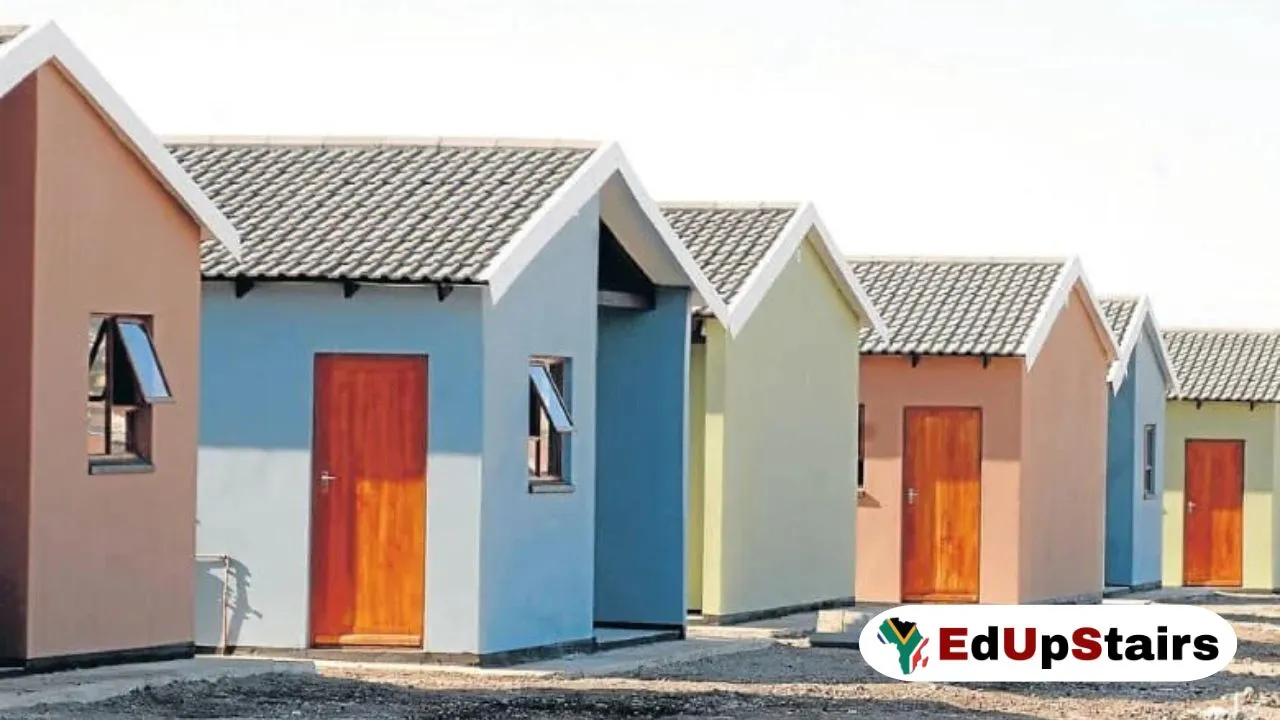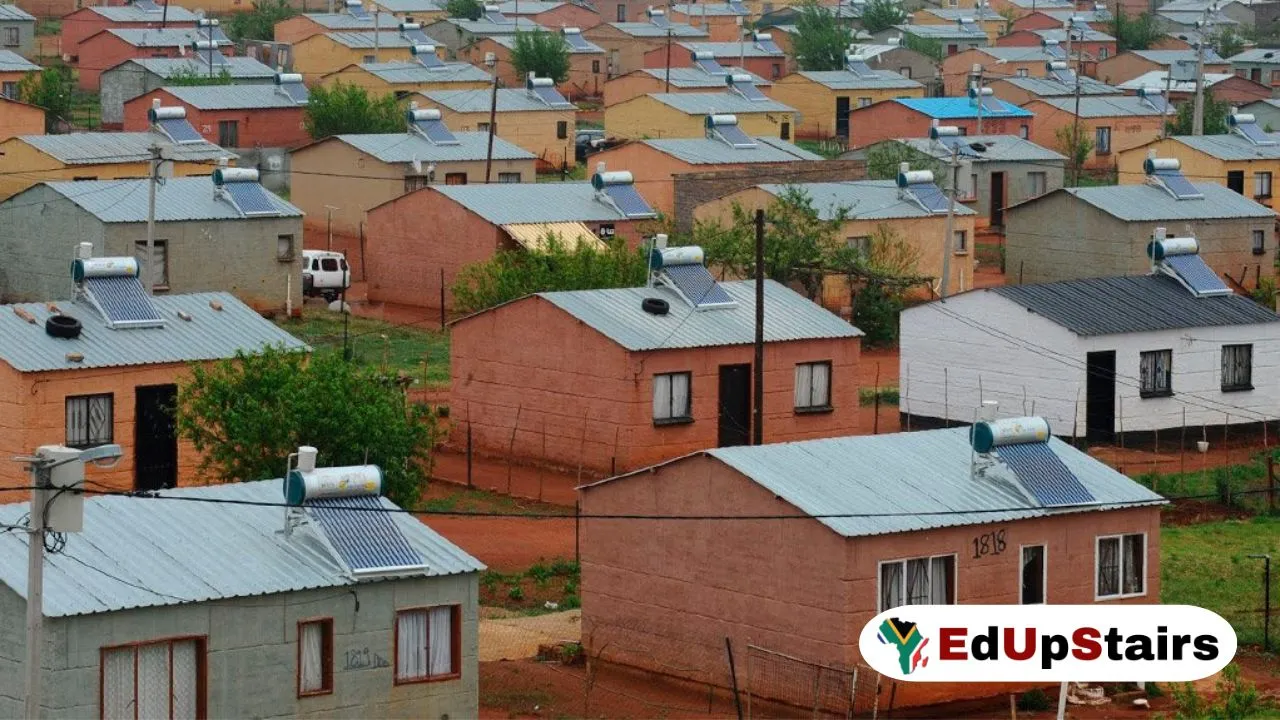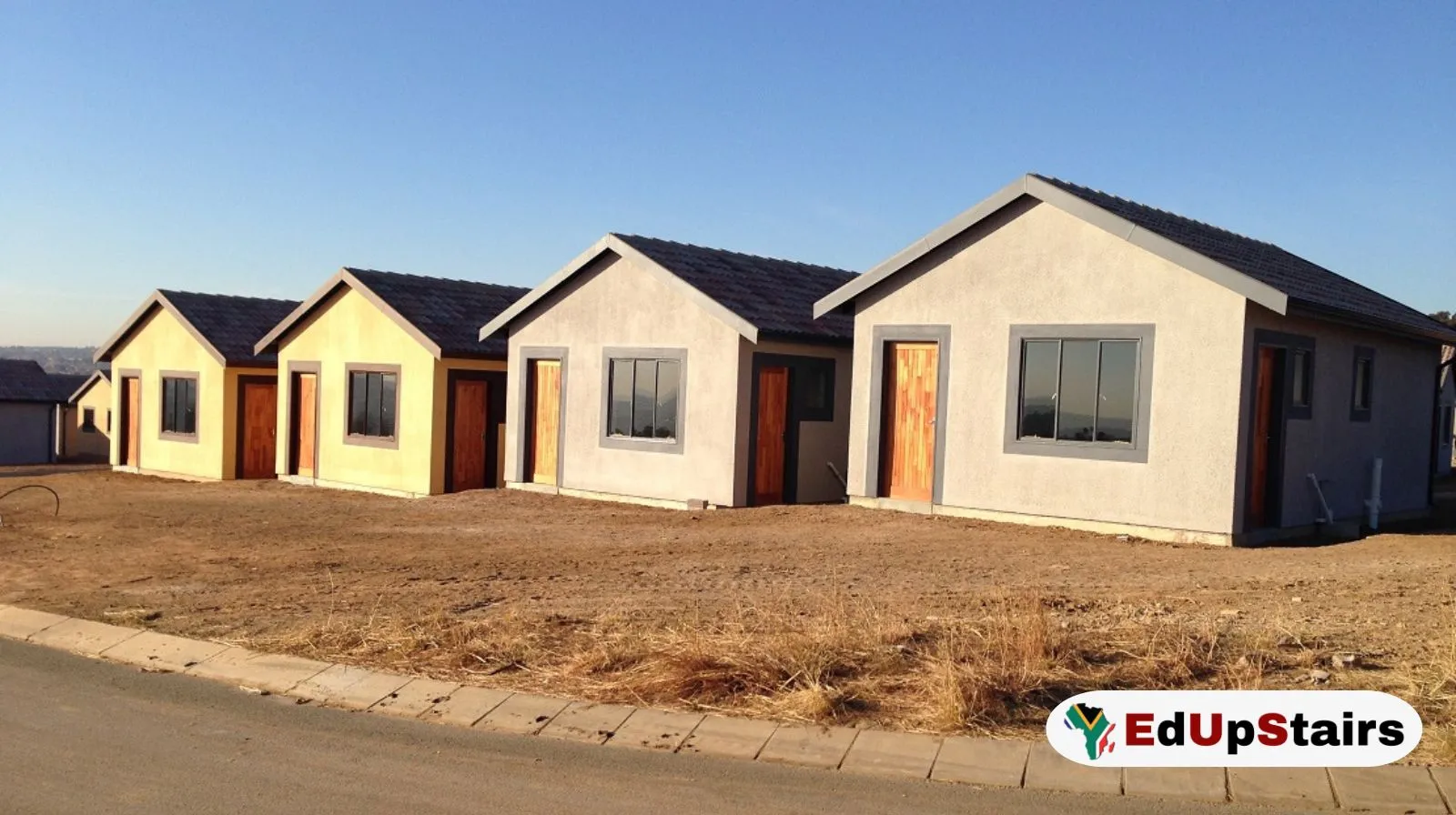

For many South Africans, getting an RDP house is one of the biggest life-changing opportunities available through government housing programmes. A successful application can help families move from overcrowded living conditions, informal settlements, backyard rooms, or unsafe structures into formal housing with better security and dignity.
But every year, thousands of people unknowingly make mistakes during the application process. Some applications get delayed for years. Others get rejected completely. In some cases, applicants lose opportunities because of incorrect information, duplicate applications, scams, or failure to update their details.
If you are planning to apply for an RDP house — or you already applied years ago — understanding these mistakes could save you a lot of frustration.
This guide explains the biggest mistakes people make during RDP house applications in South Africa, how to avoid them, and what you should do instead.
Quick Overview
Programme: RDP / Government Housing Subsidy
Country: South Africa
Managed By: Provincial Human Settlements Departments and Municipalities
Main Purpose: Provide housing support to qualifying low-income South Africans
Common Mistakes: Wrong documents, duplicate applications, scams, incorrect contact details, misinformation
Important Tip: Always apply through official government channels only
Typical Requirement: South African citizen or permanent resident with qualifying household income
What Is an RDP House?
An RDP house refers to a government-subsidised housing opportunity aimed at helping qualifying low-income households access formal housing.
Although many people still call them “RDP houses,” the official system now falls under different housing subsidy programmes administered by provincial departments of Human Settlements and municipalities.
These housing opportunities are usually targeted at:
- Low-income households
- First-time government housing applicants
- South African citizens or permanent residents
- People who do not already own property
- Families living in poor housing conditions
Because demand is extremely high across South Africa, application systems are strict and verification processes can take years.
That is why avoiding mistakes is critical.
Mistake 1: Applying More Than Once
One of the most common mistakes is submitting multiple RDP housing applications in different areas or municipalities.
Many people believe applying multiple times increases their chances. In reality, duplicate applications can create verification problems in the housing database.
This can:
- Delay approval
- Cause confusion during verification
- Trigger investigations
- Affect your housing status
Instead:
- Keep one valid application
- Make sure your information is updated
- Follow official processes when relocating
If you move to another province or municipality, ask the housing office how to properly transfer or update your application rather than creating a new one.
Mistake 2: Using Incorrect or Fake Information
Some applicants make the mistake of:
- Using false employment details
- Giving incorrect marital status
- Hiding ownership of property
- Using fake dependants
- Providing inaccurate income information
Government departments verify applicant information through multiple systems.
Providing false information can lead to:
- Immediate disqualification
- Permanent removal from waiting lists
- Criminal investigations in serious cases
Always provide honest and accurate information.
Even if your circumstances change later, it is better to update your application legally than risk being flagged for fraud.
Mistake 3: Not Updating Contact Details
This is one of the biggest reasons applicants miss important housing opportunities.
Many people:
- Change cellphone numbers
- Move to new addresses
- Lose access to email accounts
- Relocate to another province
But they never update their information with the municipality or Human Settlements office.
Years later, when housing allocations begin, officials cannot contact them.
This can result in:
- Missed verification appointments
- Lost housing opportunities
- Removal from beneficiary lists
Always update:
- Your cellphone number
- Residential address
- Marital status
- Number of dependants
- Employment status
Keep copies of all updates and reference numbers.
Mistake 4: Falling for RDP Housing Scams
Unfortunately, scammers target desperate housing applicants across South Africa.
Common scams include:
- Fake “priority lists”
- People selling RDP houses illegally
- Fraudulent housing agents
- Fake municipal officials
- Requests for payment to “speed up” approval
- Fake online registration websites
Important:
You should never pay someone privately to secure an RDP house allocation.
Government housing applications are processed through official channels only.
Warning signs of scams:
- Requests for upfront cash payments
- Promises of guaranteed approval
- Fake WhatsApp groups claiming “inside connections”
- Officials refusing to provide identification
- People selling houses they do not legally own
Always verify information through official municipal or Human Settlements offices.
Mistake 5: Not Keeping Application Proof
Many applicants apply once and never keep:
- Receipts
- Reference numbers
- Copies of forms
- SMS confirmations
- Supporting documents
Years later, they struggle to prove they actually applied.
Always keep:
- Certified copies of documents
- Application reference numbers
- Proof of submission
- SMS confirmations
- Housing database printouts if available
Store both physical and digital copies where possible.
Mistake 6: Applying Without Understanding the Requirements
Some people apply without checking whether they qualify.
While requirements can vary slightly depending on programmes and provinces, applicants are often expected to:
- Be South African citizens or permanent residents
- Be over 18 years old
- Be first-time property owners
- Meet qualifying income thresholds
- Have dependants in some cases
If you already own property or previously benefited from government housing assistance, you may not qualify again.
Understanding eligibility early helps avoid disappointment later.
Mistake 7: Ignoring Housing Verification Processes
Being on a housing waiting list does not automatically mean you will immediately receive a house.
Before allocation, officials often conduct:
- Home visits
- Income verification
- Identity verification
- Family structure checks
- Occupancy investigations
Some applicants ignore calls or fail to attend appointments.
This can delay or affect allocations.
Always respond quickly when contacted by:
- Municipal housing offices
- Provincial Human Settlements departments
- Official housing verification teams
Mistake 8: Buying or Occupying an RDP House Illegally
Some people buy RDP houses informally without proper legal transfer processes.
Others occupy houses illegally after construction.
This creates serious legal risks.
Possible consequences include:
- Eviction
- Loss of money paid illegally
- Legal disputes
- Housing allocation cancellation
Remember:
Many government-subsidised houses have restrictions preventing immediate resale.
Always verify ownership legally before entering any agreement involving an RDP property.
Mistake 9: Believing Every Social Media Rumour
Social media often spreads false information about:
- New housing lists
- “Instant approvals”
- National registration links
- Fake subsidy programmes
- Viral WhatsApp messages
Many people panic or rush to unofficial websites because of misinformation.
Before acting:
- Verify through official government websites
- Contact your municipality directly
- Check provincial Human Settlements announcements
Do not rely entirely on Facebook posts, TikTok videos, or WhatsApp forwards.
Mistake 10: Assuming the Process Is Fast
One of the biggest misunderstandings is expecting immediate allocation after application.
Housing demand in South Africa remains extremely high.
Factors affecting waiting periods include:
- Land availability
- Municipal planning
- Budget allocations
- Infrastructure development
- Verification backlogs
- Provincial housing priorities
Some applicants wait years before allocation.
That is why keeping your information updated is so important.
About the Department of Human Settlements
The Department of Human Settlements works with provinces and municipalities to manage housing programmes and human settlement development across South Africa.
Its responsibilities include:
- Housing subsidy programmes
- Informal settlement upgrading
- Affordable housing initiatives
- Beneficiary management
- Housing infrastructure development
Municipalities also play a major role in housing administration and local project implementation.
Documents Commonly Needed During RDP Applications
Although requirements can differ, applicants are often asked for:
- South African ID document
- Birth certificates of dependants
- Proof of income
- Marriage certificate or affidavit where applicable
- Proof of residence
- Proof of disability (if relevant)
Always confirm current requirements with your local municipality.
How to Protect Yourself During the Application Process
To stay safe and improve your chances:
- Apply only through official government channels
- Never pay bribes or “facilitation fees”
- Keep copies of everything
- Update your details regularly
- Avoid duplicate applications
- Verify all information before submission
- Ignore social media scams
- Attend all verification appointments
Edupstairs Advice
Government housing opportunities are extremely important for many South African families, which is why scams and misinformation spread quickly online.
The safest approach is to:
- Stay patient
- Keep your records updated
- Follow official procedures carefully
- Avoid shortcuts and unofficial agents
If you already applied years ago, one of the smartest things you can do now is confirm whether your contact details and application information are still correct.
Many housing opportunities are lost simply because officials cannot reach applicants anymore.
Frequently Asked Questions (FAQ)
- Can I apply for an RDP house online?
Some municipalities and provinces offer partial online systems or status checks, but many applications still require in-person processes or official verification.
- Can unemployed people apply?
Yes, many low-income or unemployed applicants may qualify depending on programme rules and household circumstances.
- Can I apply if I already own property?
Generally, government housing programmes target first-time property beneficiaries. Existing ownership may affect eligibility.
- How long does the process take?
There is no fixed national waiting period. It can take several years depending on housing availability and municipal processes.
- Is it legal to buy an RDP house?
There are strict legal rules regarding government-subsidised housing transfers. Many informal sales are illegal and risky.
- Can someone charge me money to help me get approved faster?
No legitimate government official should request private payments to secure housing approval.
You can also:
- View latest Internships
- View latest Learnerships
- View Latest Bursaries
- View latest Government jobs
- View latest Company Vacancies
- View latest Municipality vacancies
- Visit the Edupstairs blog for daily updates
Disclaimer
This article is for general informational purposes only and does not guarantee housing approval. Housing policies and requirements may change depending on provincial and municipal regulations. Always verify information directly with official government Human Settlements offices.
EDUPSTAIRS IS A REGISTERED NON-PROFIT ORGANISATION NPO No: 232 – 182, PUBLIC BENEFIT ORGANISATION (PBO): 930066984. EDUPSTAIRS DOES NOT, IN ANY WAY OR FORM, SOLICIT MONEY OR CV’S FROM PEOPLE FOR JOBS. PLEASE BE AWARE OF PHONY JOB POSTINGS AND RECRUITMENT FRAUD. USE THE EDUPSTAIRS SCAM DETECTOR TOOL TO SPOT A SCAM BEFORE YOU APPLY