
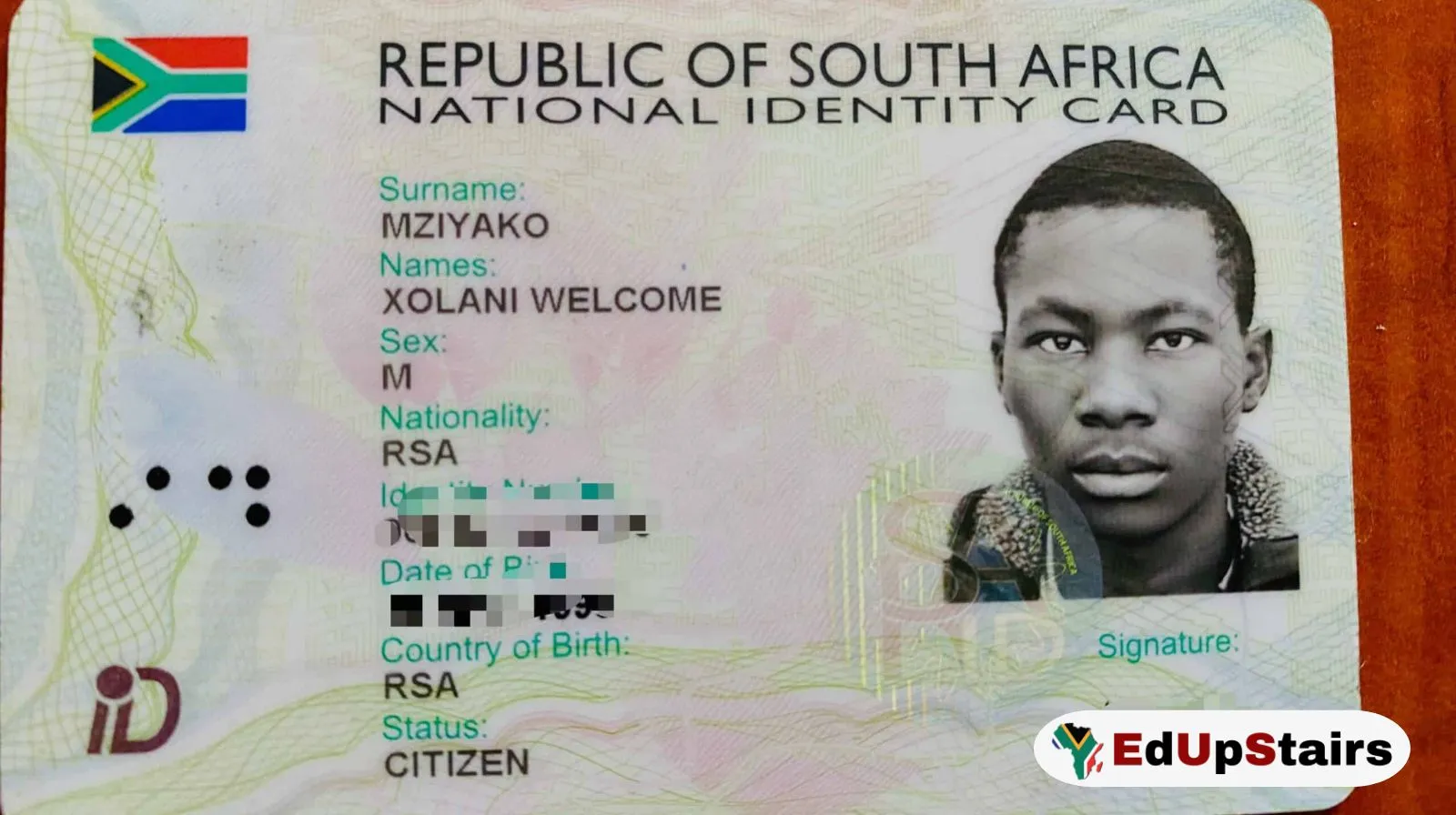
Identity theft and fraud are becoming more common in South Africa, and one of the biggest fears many people have is discovering that someone used their ID number to take out a loan, open accounts, or commit financial fraud.
Many victims only find out when:
- They are suddenly declined for credit
- Debt collectors start calling them
- Their credit score drops unexpectedly
- They receive SMSes about missed payments for accounts they never opened
The good news is that there are ways to check whether someone has used your ID fraudulently — and there are steps you can take immediately to protect yourself.
This guide explains how South Africans can check if loans or accounts were opened using their ID numbers and what to do next.
Quick Overview
| Topic | Details |
| What to check | Loans, cellphone contracts, store accounts, bank accounts, credit cards |
| Main warning signs | Debt collector calls, bad credit score, unknown SMSes, loan approvals you never applied for |
| Best way to check | Request your credit report |
| Where to check | TransUnion, Experian, ClearScore, Compuscan |
| Cost | Usually free once per year from credit bureaus |
| What to do if fraud is found | Report immediately to SAPS, the credit bureau, and the lender |
| Important | Act fast before debt increases |
Why ID Fraud Is Increasing in South Africa
South Africans are sharing their ID numbers more than ever before:
- Job applications
- Online registrations
- Social media scams
- Fake recruitment portals
- WhatsApp scams
- Loan application websites
- SIM swap fraud
- Fake banking calls
Criminals often only need:
- Your ID number
- A fake payslip
- A stolen cellphone number
- Fake proof of address
In some cases, fraudsters even use AI-generated documents and stolen selfies to pass identity verification checks.
That is why it is important to regularly monitor your financial records.
Signs That Someone May Have Opened a Loan Using Your ID
Here are some of the most common warning signs.
You Start Receiving Calls From Debt Collectors
One of the earliest warning signs is receiving calls or SMSes about debts you do not recognize.
Examples:
- “Your payment is overdue”
- “Final notice before legal action”
- “Your account is in arrears”
If you never opened the account, this could be identity fraud.
Your Credit Score Suddenly Drops
If your credit score suddenly decreases without explanation, it may mean:
- Someone opened a loan
- A fraudulent account went unpaid
- Multiple credit checks were done using your ID
Loan or Credit Card Notifications Appear
Some people suddenly receive:
- OTP messages
- Loan approval SMSes
- Banking verification messages
- Credit application alerts
Never ignore these messages.
You Are Declined for Credit
Many people discover fraud only when:
- Applying for a phone contract
- Applying for a car loan
- Applying for a student loan
- Applying for a store account
The lender may then inform them that they already have debts they never knew about.
The Best Way to Check: Get Your Credit Report
Your credit report shows:
- Loans in your name
- Credit cards
- Store accounts
- Payment history
- Credit applications
- Judgments
- Debt review status
This is the fastest way to see if someone used your ID fraudulently.
Where South Africans Can Check Their Credit Reports
You can check your report from registered credit bureaus.
- TransUnion
One of South Africa’s biggest credit bureaus.
You can check:
- Accounts in your name
- Credit score
- Fraud alerts
- Credit enquiries
Website: TransUnion South Africa
- Experian
Experian provides:
- Credit reports
- Fraud monitoring
- Credit score services
Website: Experian South Africa
- ClearScore
Many South Africans use ClearScore because it provides free credit score monitoring.
Website: ClearScore South Africa
- Compuscan
Compuscan also provides consumer credit reports and fraud support.
Website: Compuscan
What to Look for on Your Credit Report
When checking your report, look carefully for:
- Unknown Loans
Loans you never applied for.
- Unknown Store Accounts
Accounts from retailers you never used.
- Multiple Credit Checks
Too many enquiries may mean fraudsters are applying everywhere.
- Incorrect Addresses
Fraudsters often use fake addresses.
- Unknown Employers
Some fake applications use false employment details.
- Judgments or Defaults
This may mean fraudulent loans went unpaid.
What To Do If You Find Fraud
If you discover suspicious accounts, act immediately.
Step 1: Contact the Credit Bureau
Tell them:
- The account is fraudulent
- You did not apply for it
- You want a fraud investigation opened
Ask them to:
- Flag your profile
- Add a fraud alert
- Investigate the account
Step 2: Contact the Lender
Call the bank or loan provider directly.
Explain:
- The loan is fraudulent
- Your identity may have been stolen
- You want the account frozen
Request:
- Investigation reference number
- Copies of documents used
- Copies of signed agreements
Step 3: Open a SAPS Case
Report identity theft at your nearest police station.
Bring:
- Your ID document
- Credit report
- Fraud evidence
- SMSes or emails
Request:
- A case number
- An affidavit confirming fraud
This helps when disputing the debt.
Step 4: Report Fraud to SAFPS
Southern African Fraud Prevention Service helps protect consumers against identity fraud.
They can:
- Place protective fraud alerts
- Help monitor suspicious activity
Website: SAFPS Official Website
Step 5: Change Your Passwords and Banking PINs
Fraudsters may also have:
- Accessed your email
- Accessed banking apps
- Performed SIM swap fraud
Immediately:
- Change passwords
- Enable two-factor authentication
- Contact your bank
How to Protect Yourself From Future Loan Fraud
Never Share Your ID Carelessly
Avoid sending:
- ID copies
- Selfies
- Bank statements
Unless absolutely necessary.
Avoid Fake Job Websites
South Africa has many fake recruitment scams.
Fraudsters often collect:
- IDs
- CVs
- Payslips
- Banking details
Always verify job adverts before applying.
Check Your Credit Report Regularly
Checking regularly helps you catch fraud early.
Be Careful With Public Wi-Fi
Never log into banking apps on unsafe networks.
Watch Out for SIM Swap Fraud
If your cellphone suddenly loses signal unexpectedly:
- Contact your network immediately
- Freeze banking access if necessary
Can Someone Really Get a Loan Using Only Your ID Number?
Unfortunately, yes — especially if criminals also obtain:
- Your cellphone number
- Fake payslips
- Your banking details
- Your selfies or photos
- Proof of address
Some scams involve:
- Fake online lenders
- Insider corruption
- Stolen documents
- Phishing attacks
That is why monitoring your credit profile is now extremely important.
What Happens If You Ignore Fraud?
Ignoring identity fraud can lead to:
- Blacklisting
- Court judgments
- Salary garnishee orders
- Difficulty getting housing
- Rejected job opportunities
- Bank account problems
The earlier you act, the easier it usually is to fix.
Edupstairs Advice
Many South Africans only check their credit profiles after problems appear. That is a mistake.
Even if you are unemployed, studying, or not applying for loans, criminals can still misuse your identity.
Edupstairs recommends:
- Checking your credit profile regularly
- Avoiding suspicious links and loan ads
- Verifying job websites before submitting documents
- Keeping certified ID copies secure
- Reporting fraud immediately
Identity theft can affect your future opportunities, housing, employment, and finances. Staying alert can save you years of stress.
Frequently Asked Questions (FAQs)
- Can I check my credit report for free in South Africa?
Yes. South Africans are entitled to free credit reports from registered credit bureaus.
- How long does fraud investigation take?
It depends on the lender and the complexity of the case. Some cases take weeks while others may take months.
- Can fraudulent loans be removed?
Yes, if investigations confirm identity theft.
- What if the fraudster used my stolen ID copy?
Report it immediately to the credit bureau, SAPS, and SAFPS.
- Will fraud affect my credit score?
Yes, especially if fraudulent accounts go unpaid.
- Can I prevent anyone from opening accounts in my name?
You can place fraud alerts and monitor your profile regularly, but no system is completely foolproof.
You can also:
- View latest Internships
- View latest Learnerships
- View Latest Bursaries
- View latest Government jobs
- View latest Company Vacancies
- View latest Municipality vacancies
- Visit the Edupstairs blog for daily updates
Disclaimer
This article is for informational purposes only and does not constitute legal or financial advice. Always consult official credit bureaus, banks, or legal professionals regarding fraud investigations.
EDUPSTAIRS IS A REGISTERED NON-PROFIT ORGANISATION NPO No: 232 – 182, PUBLIC BENEFIT ORGANISATION (PBO): 930066984. EDUPSTAIRS DOES NOT, IN ANY WAY OR FORM, SOLICIT MONEY OR CV’S FROM PEOPLE FOR JOBS. PLEASE BE AWARE OF PHONY JOB POSTINGS AND RECRUITMENT FRAUD. USE THE EDUPSTAIRS SCAM DETECTOR TOOL TO SPOT A SCAM BEFORE YOU APPLY