
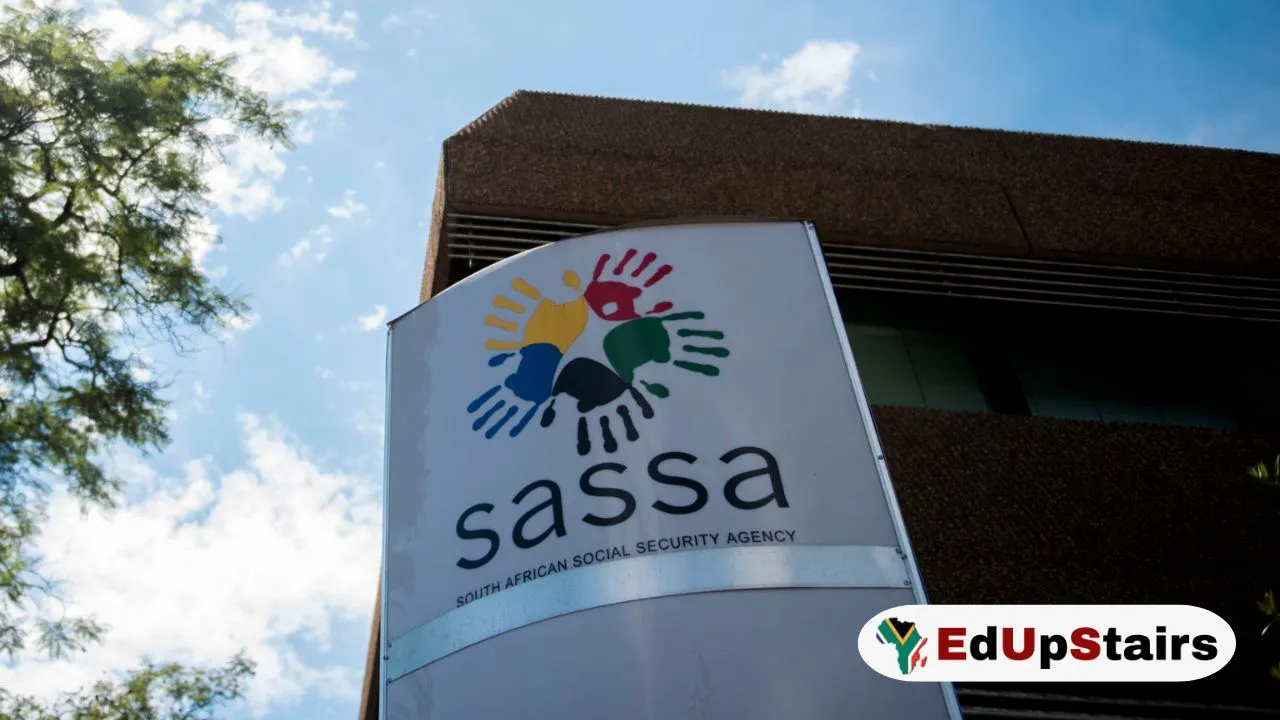
In 2026, scams targeting beneficiaries of the South African Social Security Agency (SASSA) have reached a new level of sophistication. Fraudsters are no longer just sending random SMS messages—they are using social media, fake job adverts, insurance schemes, and even physical interactions to exploit vulnerable South Africans.
Recent warnings show a clear pattern: criminals are adapting quickly, using trust, fear, and urgency to manipulate beneficiaries into giving away money or personal information.
For millions of South Africans who rely on grants for survival, understanding these scams is no longer optional—it is essential.
Quick Overview
- Topic: New SASSA scams in 2026
- Who is affected: All social grant beneficiaries (especially elderly, unemployed youth, and SRD recipients)
- Main scams: Fake messages, unauthorized deductions, fake jobs, insurance schemes
- Key risk: Loss of grant money or personal information
- Action needed: Verify information through official SASSA platforms only
Understanding SASSA’s Role in South Africa
SASSA is responsible for distributing social grants to millions of citizens, including:
- Older persons grants
- Child support grants
- Disability grants
- SRD (Social Relief of Distress) grants
It is one of the most important institutions in the country’s social protection system, supporting households with basic needs like food, transport, and school expenses.
Because of this, it has become a prime target for fraudsters.
The New Wave of SASSA Scams in 2026
- Fake Re-Registration Messages
One of the most widespread scams in 2026 involves messages claiming that beneficiaries must “re-register” or risk losing their grants.
- These messages often circulate on WhatsApp, Facebook, and TikTok
- They create panic and urgency
- Victims are asked to click links or submit personal details
SASSA has confirmed that there is no mass re-registration process and such messages are fake.
- Unauthorized Deduction Scams
Another serious issue involves beneficiaries being tricked into signing documents.
- Victims believe they are updating grant details
- Instead, they unknowingly authorize deductions
- Money is then taken monthly for services like funeral policies
This scam has already affected vulnerable individuals, especially elderly beneficiaries.
- Fake Job Opportunities (Targeting Youth)
Fraudsters are now targeting unemployed youth with fake job adverts.
- Example: “SASSA Admin Jobs” advertised on LinkedIn or social media
- Victims are asked to pay fees or submit personal data
- These jobs do not exist
SASSA has clearly stated it does not recruit through unofficial platforms.
- Insurance and Funeral Cover Scams
Some scammers pose as insurance companies claiming to work with SASSA.
- They use SASSA branding to look legitimate
- They promise benefits like funeral cover
- Victims end up with unauthorized deductions
SASSA has confirmed it does not partner with private insurers.
- Fake Grant Claims and “Back Pay” Scams
Another common tactic includes promises of money owed to beneficiaries.
- “Claim uncollected grants from previous years”
- “Recover lost SRD payments”
- “Fix your grant after SIM card change”
These are scams designed to steal personal and banking details.
How Fraudsters Operate (The Strategy Behind the Scam)
Fraudsters use a predictable psychological strategy:
- Urgency
- “Act now or lose your grant”
- Creates panic and quick decisions
- Authority
- Pretend to be SASSA officials
- Use logos, official-looking documents
- Opportunity
- Promise jobs, extra money, or benefits
- Exploit unemployment and financial stress
- Data Harvesting
- Collect ID numbers, phone numbers, PINs
- Use information for identity theft
This combination makes scams highly effective—especially among people who rely on grants for survival.
Why SASSA Beneficiaries Are Targeted
The reason is simple:
- Millions depend on SASSA
- Payments happen monthly
- Many beneficiaries urgently need money
Criminals know that when people are desperate or afraid, they are more likely to trust quickly.
Research also shows that fraud in the system has been persistent, with both insiders and external actors involved over time.
Red Flags: How to Identify a Scam
You should immediately be suspicious if you see:
- Messages asking for your PIN or banking details
- Requests to pay a fee to receive a grant or job
- Links that are not from official SASSA websites
- Messages saying your grant will be cancelled urgently
- Offers that sound “too good to be true”
Remember: SASSA services are free.
How to Protect Yourself in 2026
Always Do This:
- Verify information on official SASSA platforms
- Visit your nearest SASSA office if unsure
- Keep your PIN and ID private
- Report suspicious activity immediately
Never Do This:
- Share personal details on WhatsApp or social media
- Click unknown links
- Pay money to “fix” or “speed up” your grant
- Trust unofficial job adverts
What To Do If You’ve Been Scammed
If you suspect fraud:
- Report it to SASSA immediately
- Contact your bank to secure your account
- Open a case with the police
- Change all your passwords and PINs
Acting quickly can help prevent further losses.
Edupstairs Insight: Why This Topic Is Critical Right Now
From an Edupstairs perspective, this is more than just a warning—it is a national awareness issue.
Scams are evolving faster than public awareness. While opportunities (learnerships, internships, grants) are increasing, so are fake versions of those opportunities.
This is why every young person and beneficiary must adopt a new mindset:
“Verify first. Trust later.”
Related Articles:
Why Some SASSA Beneficiaries Are Selected for Review and What Happens Next
SASSA Warns Insurers Preying on Pensioners’ Grants: What Beneficiaries Need to Know
What South Africans Must Know About SASSA’s New WhatsApp Services
What South Africans Must Know About the SASSA Digital Queue Management System (QMS)
Why Your SASSA Status Keeps Changing
What to Do If SASSA Says You Already Have an Income
SASSA Means Test Explained: Why Some Grants Get Declined in South Africa
SASSA Gold Card Changes 2026: What Beneficiaries Must Know
How SASSA Detects Undisclosed Income (And What Beneficiaries Must Know) in 2026
Who Must Reconfirm Their SASSA Details in 2026 to Avoid Grant Suspension
FAQ: SASSA Scams in 2026
- Are SASSA messages on WhatsApp real?
Most are fake unless confirmed on official SASSA channels.
- Does SASSA charge fees for services?
No. All services are free.
- Can SASSA ask for my PIN?
Never. Your PIN must remain private.
- Are SASSA job posts on social media real?
Only if published on official SASSA platforms.
Our Conclusion
The reality is simple:
Scams targeting SASSA beneficiaries in 2026 are becoming more advanced, more believable, and more dangerous.
But they all share one weakness—they rely on people not verifying information.
If you take one thing from this article, let it be this:
If it doesn’t come from official SASSA channels, don’t trust it.
You can also:
- View latest Internships
- View latest Learnerships
- View Latest Bursaries
- View latest Government jobs
- View latest Company Vacancies
- View latest Municipality vacancies
- Visit the Edupstairs blog for daily updates
Disclaimer
This article is for educational and awareness purposes only. Always verify information through official SASSA communication channels before taking action.
EDUPSTAIRS IS A REGISTERED NON-PROFIT ORGANISATION NPO No: 232 – 182, PUBLIC BENEFIT ORGANISATION (PBO): 930066984. EDUPSTAIRS DOES NOT, IN ANY WAY OR FORM, SOLICIT MONEY OR CV’S FROM PEOPLE FOR JOBS. PLEASE BE AWARE OF PHONY JOB POSTINGS AND RECRUITMENT FRAUD. USE THE EDUPSTAIRS SCAM DETECTOR TOOL TO SPOT A SCAM BEFORE YOU APPLY