
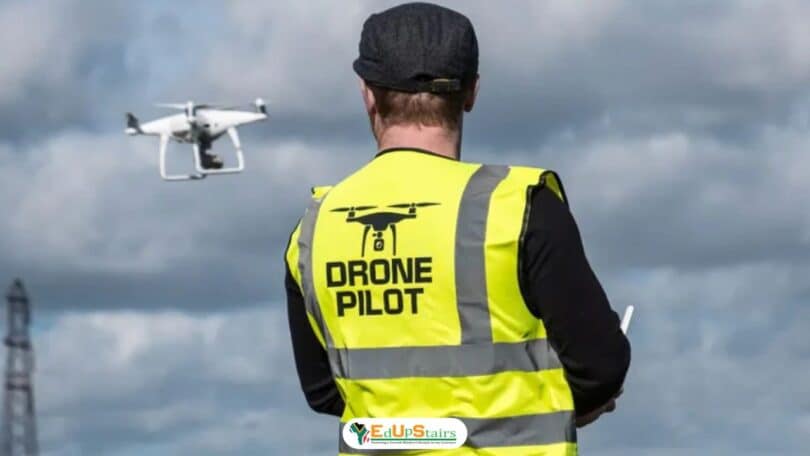
Understand the Role of a Drone Pilot
Drone pilots operate Unmanned Aerial Vehicles (UAVs) for various purposes, including:
- Agriculture (e.g., crop monitoring)
- Media production (e.g., photography and videography)
- Surveillance and security
- Delivery services
- Inspection of infrastructure (e.g., power lines, buildings)
Research Available Learnerships
Drone pilot learnerships are typically offered by:
- Aviation schools
- Private drone companies
- Government-supported training initiatives
Search platforms like Edupstairs, SA Youth, company websites, or job portals for updates on applications.
General Requirements
Most drone pilot learnerships require:
- South African citizenship
- Matric certificate (with good marks in mathematics and physical science)
- Minimum age: 18 years
- Valid South African ID
- Basic computer literacy
- Fluent communication skills (English proficiency is essential)
Some programs might prefer candidates with:
- Interest in aviation or technology
- Prior experience in remote-controlled devices
Required Documents
Prepare the following documents:
- Certified copies of your Matric certificate and ID
- Updated CV tailored to the learnership
- Motivational letter explaining why you’re interested in the position
- Proof of address (if required)
Application Process
- Identify Opportunities: Look for reputable organizations offering drone pilot learnerships. Examples include the South African Civil Aviation Authority (SACAA) or private drone academies.
- Submit Your Application: Follow the instructions on the application portal or email. Ensure all documents are accurate and up-to-date.
- Complete Assessments: You may be required to complete aptitude tests, medical assessments, or interviews.
- Attend Information Sessions: If invited, attend orientation or briefing sessions to understand the learnership structure.
Preparing for Selection
- Study Basic Aviation Concepts: Learn about aerodynamics, UAV components, and flight regulations.
- Get Familiar with Technology: Practice using drone simulators or smaller hobby drones.
- Stay Physically Fit: Some programs may test your physical and mental agility.
- Understand Regulations: Research the SACAA rules for drone operations (Part 101 of the Civil Aviation Regulations).
Training Components
Learnerships often include:
- Theoretical Training: Covers airspace management, drone operation laws, and safety.
- Practical Training: Hands-on drone piloting practice under supervision.
- Certification: Successful participants typically receive a Remote Pilot License (RPL).
Example of a Learnership Opportunity
Organization: Drone Academy of South Africa
Learnership Focus: Agriculture and environmental monitoring
Duration: 12 months
Includes: Theory, practicals, and RPL certification
Location: Johannesburg
Stipend: R4,500 monthly
Application Deadline: March 15, 2025
Post-Learnership Opportunities
After completing the learnership, you can:
- Work as a certified drone pilot for companies in various industries.
- Start your own drone service business.
- Pursue further specialization (e.g., in thermal imaging or mapping).
Tips for Success
- Networking: Join aviation forums and attend drone-related events to connect with professionals.
- Stay Updated: Keep up with advancements in drone technology and regulations.
- Develop Soft Skills: Communication, teamwork, and problem-solving skills are valuable.
EDUPSTAIRS IS A REGISTERED NON-PROFIT ORGANISATION NPO No: 232 – 182, PUBLIC BENEFIT ORGANISATION (PBO): 930066984. EDUPSTAIRS DOES NOT, IN ANY WAY OR FORM, SOLICIT MONEY OR CV’S FROM PEOPLE FOR JOBS. PLEASE BE AWARE OF PHONY JOB POSTINGS AND RECRUITMENT FRAUD. FOR MORE INFORMATION VISIT OUR SCAM/FRAUD ALERT PAGE HERE
You May Also Like…
How to Apply and Prepare for Waste Collection and Street Cleaning Jobs in South Africa for 2025
How to apply and prepare for a Traffic Officer Learnership in South Africa for 2025