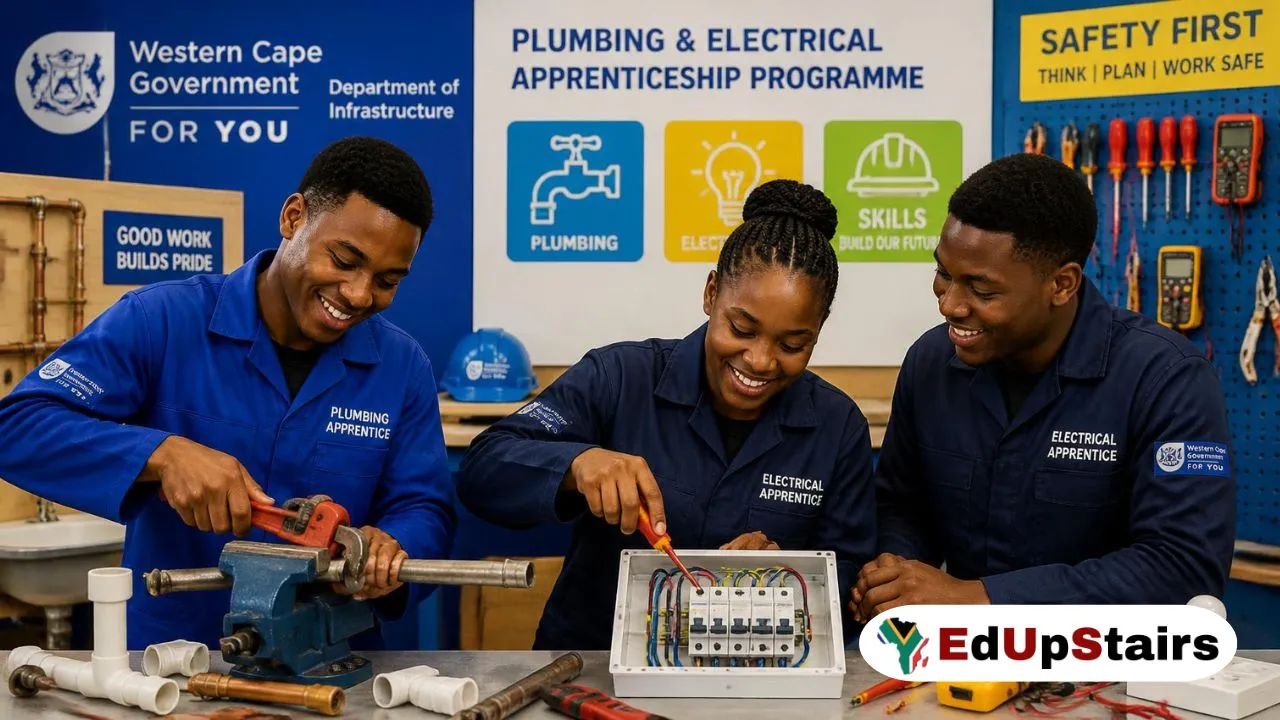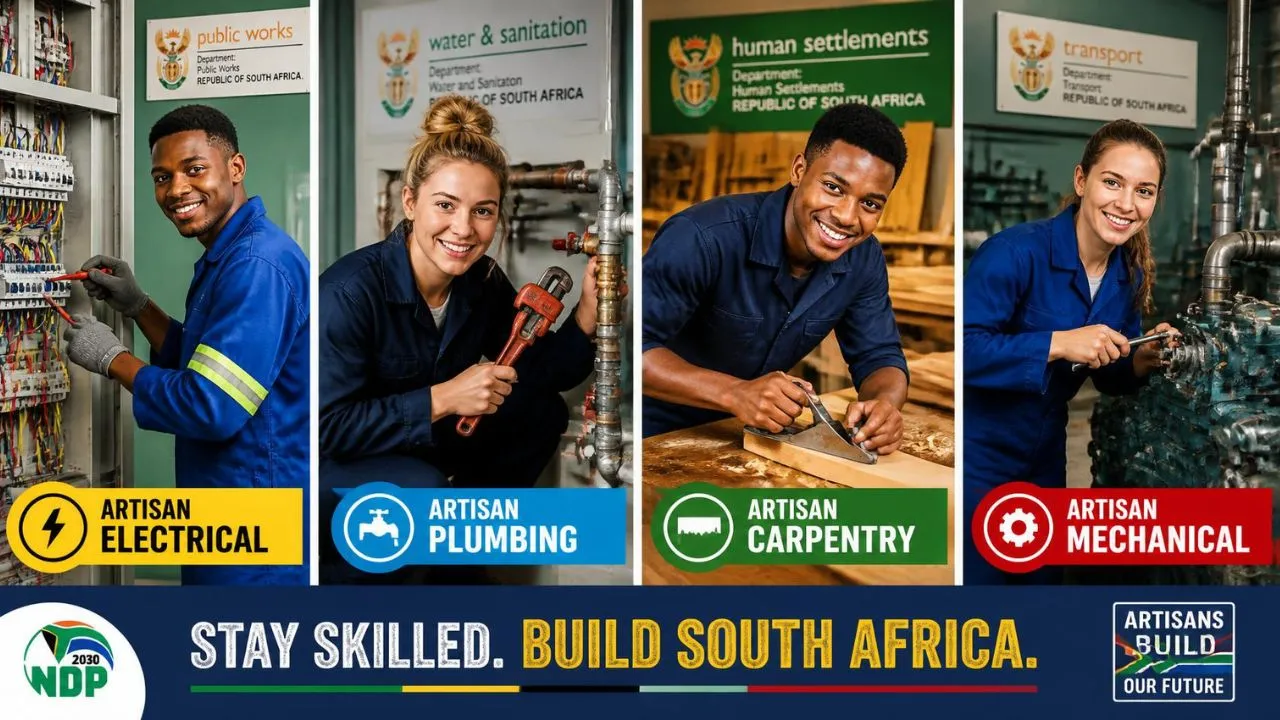

South Africa continues to face a shortage of skilled artisans, making artisan careers some of the most valuable and employable professions in the country. From electricians and plumbers to welders and diesel mechanics, artisans play a critical role in building, maintaining, and repairing the infrastructure and equipment that keep industries running.
If you are considering an apprenticeship, artisan training programme, or trade test qualification, one of the biggest questions you may have is:
Which artisan trade is right for me?
This guide explains the most popular artisan trades in South Africa, the work involved, career opportunities, and how to choose a trade that matches your interests and strengths.
Quick Overview
What is an Artisan?
An artisan is a skilled worker who has completed formal technical training and practical workplace experience in a specific trade.
Most artisans complete:
- Technical training at a TVET College or training centre
- Workplace practical experience
- Apprenticeship programmes
- A trade test to become qualified
Qualified artisans are employed in:
- Mining
- Manufacturing
- Construction
- Transport
- Municipalities
- Government departments
- Energy and utilities
- Engineering companies
Why Consider an Artisan Career?
Artisan careers offer:
- High demand across South Africa
- Practical hands-on work
- Opportunities to earn while learning
- Good earning potential
- Opportunities to start your own business
- International employment opportunities
- Career growth into supervision and management
Many qualified artisans earn competitive salaries and enjoy long-term job security.
Popular Artisan Trades Explained
-
Electrician
What Electricians Do
Electricians install, maintain, and repair electrical systems.
They work on:
- Buildings
- Factories
- Power systems
- Industrial equipment
- Municipal infrastructure
Suitable For People Who:
- Enjoy mathematics and science
- Like problem-solving
- Can work carefully and safely
- Enjoy technical work
Career Opportunities
- Construction companies
- Municipalities
- Eskom contractors
- Manufacturing plants
- Mining operations
-
Plumber
What Plumbers Do
Plumbers install and repair:
- Water systems
- Drainage systems
- Sewerage systems
- Geysers
- Pipes and fittings
Suitable For People Who:
- Enjoy practical work
- Like solving problems
- Don’t mind working outdoors
- Enjoy working with tools
Career Opportunities
- Construction companies
- Municipalities
- Property maintenance firms
- Self-employment opportunities
-
Welder
What Welders Do
Welders join and repair metal structures using specialised welding equipment.
Suitable For People Who:
- Enjoy working with metal
- Have good hand-eye coordination
- Like practical work
- Can focus on detail
Career Opportunities
- Manufacturing
- Mining
- Engineering companies
- Shipbuilding
- Construction
-
Boilermaker
What Boilermakers Do
Boilermakers manufacture, assemble, and repair large metal structures and equipment.
Suitable For People Who:
- Enjoy heavy engineering work
- Like working with metal
- Have strong technical skills
Career Opportunities
- Mining industry
- Power stations
- Manufacturing plants
- Petrochemical companies
-
Diesel Mechanic
What Diesel Mechanics Do
Diesel mechanics maintain and repair:
- Trucks
- Buses
- Mining equipment
- Agricultural machinery
- Construction equipment
Suitable For People Who:
- Love vehicles and engines
- Enjoy troubleshooting
- Prefer hands-on work
Career Opportunities
- Transport companies
- Mining sector
- Agriculture
- Construction industry
-
Automotive Motor Mechanic
What Motor Mechanics Do
Motor mechanics diagnose and repair passenger vehicles.
Suitable For People Who:
- Love cars
- Enjoy technical challenges
- Like using diagnostic equipment
Career Opportunities
- Vehicle dealerships
- Automotive workshops
- Fleet management companies
- Self-employment
-
Fitter and Turner
What Fitters and Turners Do
Fitters and turners manufacture, assemble, install, and maintain mechanical equipment.
Suitable For People Who:
- Enjoy engineering
- Have strong attention to detail
- Like precision work
Career Opportunities
- Factories
- Manufacturing plants
- Mining operations
- Engineering firms
-
Millwright
What Millwrights Do
Millwrights work with both mechanical and electrical systems.
They install and maintain:
- Production machinery
- Industrial equipment
- Automated systems
Suitable For People Who:
- Enjoy technology
- Like engineering
- Enjoy troubleshooting
Career Opportunities
- Manufacturing
- Food processing plants
- Mining
- Industrial operations
-
Refrigeration and Air Conditioning Technician
What They Do
These artisans install and maintain:
- Air conditioners
- Refrigeration systems
- Cooling equipment
Suitable For People Who:
- Enjoy technical work
- Like problem-solving
- Enjoy electrical and mechanical systems
Career Opportunities
- HVAC companies
- Retail refrigeration
- Industrial cooling plants
-
Bricklayer
What Bricklayers Do
Bricklayers construct walls, buildings, and structures using bricks and blocks.
Suitable For People Who:
- Enjoy construction
- Like outdoor work
- Have physical stamina
Career Opportunities
- Construction industry
- Housing projects
- Municipal infrastructure projects
Which Artisan Trade Pays the Most?
Salaries vary depending on experience, location, and industry.
Some of the highest-paying artisan trades include:
- Millwright
- Electrician
- Boilermaker
- Diesel Mechanic
- Instrument Mechanician
- Fitter and Turner
Artisans working in mining, energy, and petrochemical sectors often earn higher salaries than those in other industries.
How to Choose the Right Trade
Consider Your Interests
Ask yourself:
- Do I enjoy working with vehicles?
- Do I enjoy fixing things?
- Am I interested in electricity?
- Do I enjoy construction work?
- Do I enjoy engineering and machinery?
Your interests can help determine the best trade for you.
Consider Your Strengths
Think about:
- Problem-solving ability
- Mathematical skills
- Physical fitness
- Attention to detail
- Mechanical aptitude
Different trades require different strengths.
Research Job Demand
Choose a trade that offers:
- High employment opportunities
- Industry growth
- Long-term demand
- Apprenticeship availability
Trades such as electricians, diesel mechanics, welders, and millwrights remain highly sought after.
Consider Future Opportunities
Some trades offer easier paths to:
- Self-employment
- Contract work
- International employment
- Business ownership
Electricians, plumbers, and welders often have strong self-employment opportunities.
How to Become an Artisan in South Africa
The typical pathway includes:
Step 1: Complete Grade 9–12
Most apprenticeship programmes prefer:
- Grade 12
- Mathematics
- Physical Science
- Engineering-related subjects
Step 2: Study a Relevant Qualification
Options include:
- NCV Engineering Programmes
- NATED Engineering Studies
- Occupational Certificates
- Technical Skills Programmes
Step 3: Apply for an Apprenticeship
Apprenticeships are offered by:
- Government departments
- Municipalities
- SOEs
- Mining companies
- Manufacturing firms
- Private employers
Step 4: Complete Workplace Training
Gain practical experience under qualified artisans.
Step 5: Pass the Trade Test
Once you pass the trade test, you become a qualified artisan.
Where to Find Artisan Apprenticeships
You can find apprenticeship opportunities through:
- Edupstairs Apprenticeship Opportunities
- SETAs
- TVET Colleges
- Municipalities
- Mining companies
- Manufacturing companies
- Government departments
- State-owned entities
Regularly checking apprenticeship vacancies can help you secure training opportunities.
Our conclusion
Choosing an artisan trade is one of the smartest career decisions for South Africans who enjoy practical, hands-on work. Skilled artisans remain in high demand across multiple industries and often enjoy strong earning potential, career growth, and opportunities to become self-employed.
Before choosing a trade, take time to understand what each profession involves, assess your strengths and interests, and explore available apprenticeship opportunities. The right trade can provide a rewarding and stable career for many years to come.
Related Articles:
Understanding N2, N3, N4 and Trade Test Requirements in South Africa
Apprenticeship / Artisan Supporting Documents Checklist in South Africa
Interview Questions and Answers for Apprenticeship / Artisan Jobs in South Africa: A Complete Guide
How to Write a Winning Motivational Letter for an Apprenticeship / Artisan Job in South Africa
How to Write a Winning CV for Apprenticeship / Artisan Job Applications in South Africa
How to Prove You Are Unemployed in South Africa
The Difference Between Being Qualified and Being Employable in 2026
How to Build Work Experience Without a Job in South Africa in 2026
Edupstairs Advice
If you are unsure which artisan trade to pursue, start by identifying the type of work you enjoy most. Whether it is vehicles, electricity, construction, or engineering, there is an artisan trade that can turn your passion into a valuable career. Keep checking Edupstairs for the latest apprenticeship, artisan training, and trade test opportunities across South Africa.
Frequently Asked Questions
- What is the easiest artisan trade to learn?
Every trade requires dedication and training. The best trade is one that matches your interests and abilities.
- Which artisan trade is most in demand in South Africa?
Electricians, welders, diesel mechanics, boilermakers, fitters, and millwrights are consistently in demand.
- Can I become an artisan without Matric?
Some training pathways allow entry with Grade 9 or Grade 10, although many employers prefer Matric.
- How long does an apprenticeship take?
Most apprenticeships take between 2 and 4 years depending on the trade.
- Can artisans start their own businesses?
Yes. Electricians, plumbers, welders, mechanics, and refrigeration technicians commonly start successful businesses after qualifying.
You can also:
- View latest Internships
- View latest Learnerships
- View Latest Bursaries
- View latest Government jobs
- View latest Company Vacancies
- View latest Municipality vacancies
- Visit the Edupstairs blog for daily updates
Disclaimer
Information provided in this article is for educational and career guidance purposes only. Entry requirements, apprenticeship opportunities, and salary ranges may vary between employers, training providers, and industries.
EDUPSTAIRS IS A REGISTERED NON-PROFIT ORGANISATION NPO No: 232 – 182, PUBLIC BENEFIT ORGANISATION (PBO): 930066984. EDUPSTAIRS DOES NOT, IN ANY WAY OR FORM, SOLICIT MONEY OR CV’S FROM PEOPLE FOR JOBS. PLEASE BE AWARE OF PHONY JOB POSTINGS AND RECRUITMENT FRAUD. USE THE EDUPSTAIRS SCAM DETECTOR TOOL TO SPOT A SCAM BEFORE YOU APPLY