
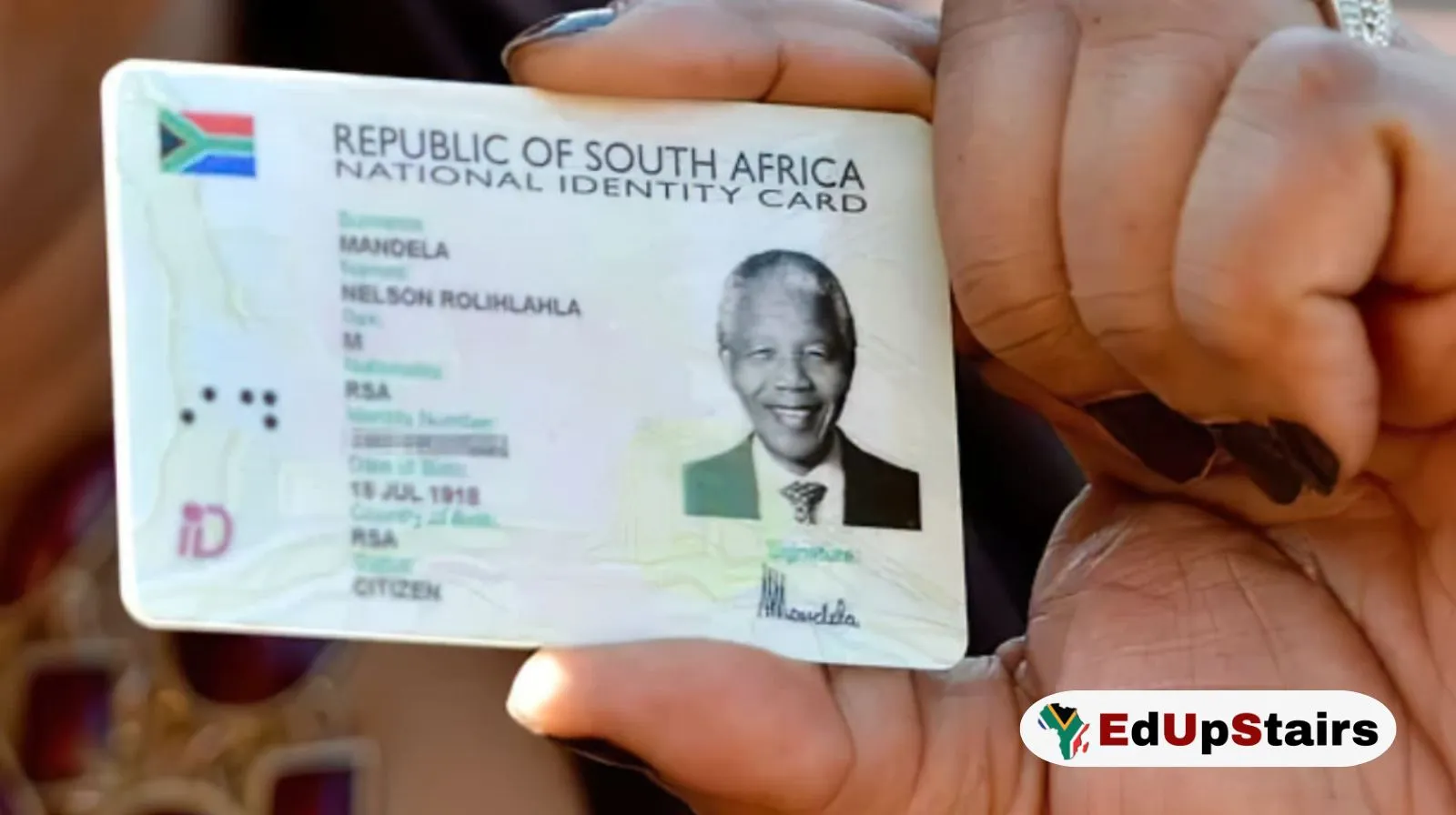
Many South Africans apply for jobs, grants, learnerships, NSFAS funding, or banking services without realising that their ID number may already be linked to problems behind the scenes. In some cases, people are rejected without being told the real reason.
An ID number in South Africa is connected to many systems. Employers may use it during background checks. Government departments use it to verify identity and eligibility. Financial institutions use it to check debt records, fraud markers, or identity mismatches. Even a small issue linked to your ID can sometimes delay or block opportunities.
This article explains how your ID number could affect applications, the warning signs to look for, and what you can do if something is wrong.
Quick Overview
| Topic | Details |
| Main issue | Your ID number may be linked to incorrect records, fraud flags, duplicate identities, debt, or employment data |
| Affected opportunities | Jobs, grants, NSFAS, banking, learnerships, loans, and government services |
| Common warning signs | Repeated rejections, verification failures, “already employed” messages, grant declines |
| Main systems involved | Home Affairs, SARS, UIF, credit bureaus, employers, SASSA |
| What to check | Identity status, employment records, credit profile, fraud activity |
| Important advice | Never ignore unexplained verification problems |
Why Your ID Number Matters So Much
Your South African ID number is more than just an identification document. It is a digital key used across many systems.
When you apply for:
- A job
- A learnership
- NSFAS funding
- A SASSA grant
- A bursary
- A bank account
- A loan
- A SIM card contract
…your ID number is often checked automatically.
These checks may include:
- Identity verification
- Credit history
- Employment status
- Fraud screening
- Criminal screening
- Qualification verification
- Banking verification
- Government database checks
If one of these systems contains incorrect or suspicious information linked to your ID number, your application could be delayed or rejected.
Signs That Your ID Number Might Be Causing Problems
You Keep Getting Rejected Without Clear Reasons
If you continuously apply for jobs or grants and receive no response, there could be a verification issue happening in the background.
Some employers never explain failed background checks.
Some systems automatically reject applications when:
- Your identity cannot be verified
- Your information does not match official databases
- Your ID appears suspicious
- Your records conflict across departments
SASSA Says You Already Have Income
This is one of the most common complaints in South Africa.
Some unemployed people apply for the SRD grant and receive messages saying:
- “Alternative income source identified”
- “UIF registered”
- “Employed status detected”
This may happen because:
- A previous employer never removed you from payroll systems
- UIF records are outdated
- Someone used your ID fraudulently
- SARS records still reflect income
- A company incorrectly registered you
This can block grant approval.
Employers Say Verification Failed
Some companies use automated screening systems before interviews even begin.
A failed ID verification may happen when:
- Your ID details do not match Home Affairs records
- Your surname differs across documents
- Your ID is flagged as deceased
- Your identity was duplicated
- There is suspected fraud linked to your ID
In many cases, applicants are never told the exact issue.
You Discover Accounts or Loans You Never Opened
Identity theft is a growing problem in South Africa.
Criminals sometimes use stolen ID numbers to:
- Open accounts
- Apply for loans
- Register SIM cards
- Commit fraud
- Open online profiles
If this happens, your credit profile or fraud history could affect future applications.
Warning signs include:
- Debt collectors calling you
- SMS messages about unknown accounts
- Loan approvals you never requested
- Bank notifications you do not recognise
Your UIF or SARS Records Are Incorrect
Many unemployed people discover they are still registered as employed.
This can affect:
- SASSA grants
- UIF claims
- Job applications
- Government opportunities
Incorrect payroll submissions can remain active for months or years if employers fail to update records.
What Can Be Checked Against Your ID Number?
Employment Status
Systems may check whether:
- You are employed
- UIF contributions are active
- SARS payroll submissions exist
Credit History
Employers in financial sectors sometimes check:
- Debt review status
- Judgments
- Defaults
- Fraud alerts
Criminal Record Screening
Some jobs include criminal background checks linked to your ID.
Qualification Verification
Your qualifications may be verified using your ID number.
Home Affairs Verification
Your identity is often checked against:
- Full names
- Birth date
- Citizenship
- ID validity
- Death register status
How to Check If Something Is Wrong With Your ID Number
Check Your Credit Profile
You are allowed to request a free credit report from registered credit bureaus.
Look for:
- Unknown loans
- Incorrect addresses
- Fraudulent accounts
- Judgments
- Suspicious activity
If something is incorrect, dispute it immediately.
Check Your Employment Status
You can investigate whether:
- UIF contributions are active
- SARS still shows employment
- Old employers failed to deregister you
This is especially important if SASSA claims you have income.
Verify Your Home Affairs Information
Problems at Home Affairs can create major issues.
You should ensure:
- Your ID is active
- Your names match all official records
- Your status is correct
- No duplicate identity exists
Watch for Signs of Identity Theft
Be alert if:
- You receive OTP messages unexpectedly
- Unknown accounts appear
- Debt collectors contact you
- You receive approval notices you never applied for
Never ignore these signs.
Common Reasons Why People Get Flagged
Incorrect Information Across Systems
A mismatch between:
- Home Affairs
- SARS
- UIF
- Banks
- Employers
…can trigger automatic verification failures.
Old Employment Records
Some people remain registered as employees long after leaving jobs.
Fraudulent Activity
Someone may have used your ID illegally.
Shared or Stolen Documents
If your ID copy was shared carelessly, it may be used by scammers.
Administrative Errors
Simple spelling mistakes can create major verification issues.
How Employers May Use Your ID Number
Depending on the role, employers may use your ID number to:
- Verify citizenship
- Check criminal records
- Verify qualifications
- Confirm work eligibility
- Run financial checks
- Conduct background screening
This is common in:
- Banking
- Security
- Government jobs
- Retail finance
- Call centres
- Law enforcement
- Insurance
How This Affects Young People and Job Seekers
Many unemployed youth assume rejection means:
- Lack of qualifications
- Too little experience
- Too much competition
But sometimes the issue is deeper.
A hidden verification problem can silently block:
- Learnerships
- Government programmes
- Graduate internships
- NSFAS funding
- SASSA approvals
- Employment opportunities
That is why checking your records matters.
Steps You Should Take Immediately
Step 1: Keep Your ID Safe
Do not share:
- ID copies unnecessarily
- Banking details publicly
- OTP codes
- Personal information on suspicious websites
Step 2: Monitor Your Credit Activity
Check your credit profile regularly.
Step 3: Correct Incorrect Records
If you discover incorrect information:
- Contact the institution involved
- Request corrections
- Keep written proof
Step 4: Follow Up With Previous Employers
Ask whether:
- UIF records were updated
- Payroll records were closed properly
Step 5: Be Careful With Online Applications
Avoid fake recruitment websites and scams requesting:
- Upfront payments
- Banking details
- ID uploads without verification
What To Do If You Suspect Fraud
If someone used your ID:
- Report it immediately
- Open a case if necessary
- Contact affected institutions
- Dispute fraudulent accounts
- Monitor your records closely
The faster you act, the better.
Why This Problem Is Becoming More Common
South Africa is becoming increasingly digital.
Many systems now rely on:
- Automated checks
- Database matching
- Digital verification
- AI-assisted screening
This means even small errors can affect opportunities quickly.
At the same time:
- Identity theft is increasing
- Data leaks are common
- Fraud syndicates target unemployed people
This makes ID protection more important than ever.
Edupstairs Advice
If you keep getting rejected for jobs, grants, or funding opportunities without clear reasons, do not automatically assume you are unqualified. Sometimes the real problem is hidden in verification systems linked to your ID number.
Take time to:
- Check your records
- Monitor your credit profile
- Verify your employment status
- Protect your personal information
Many people only discover problems after months of failed applications. Early detection can save you from bigger problems later.
Frequently Asked Questions (FAQ)
- Can my ID number affect job applications?
Yes. Employers may use your ID number for identity verification, criminal checks, qualification checks, or financial screening.
- Can incorrect UIF records block SASSA grants?
Yes. If systems show active employment or income, grant applications may be declined.
- How do I know if someone used my ID fraudulently?
Warning signs include unknown debt, suspicious SMS messages, loan approvals you never requested, or collection calls.
- Can I fix incorrect information linked to my ID?
Yes. You can dispute incorrect records with the relevant institution.
- Can employers see my debt?
Some employers, especially in financial industries, may perform credit checks if relevant to the position.
You can also:
- View latest Internships
- View latest Learnerships
- View Latest Bursaries
- View latest Government jobs
- View latest Company Vacancies
- View latest Municipality vacancies
- Visit the Edupstairs blog for daily updates
Disclaimer
This article is for informational purposes only and does not constitute legal, financial, or government advice. Verification processes may differ between institutions and employers.
EDUPSTAIRS IS A REGISTERED NON-PROFIT ORGANISATION NPO No: 232 – 182, PUBLIC BENEFIT ORGANISATION (PBO): 930066984. EDUPSTAIRS DOES NOT, IN ANY WAY OR FORM, SOLICIT MONEY OR CV’S FROM PEOPLE FOR JOBS. PLEASE BE AWARE OF PHONY JOB POSTINGS AND RECRUITMENT FRAUD. USE THE EDUPSTAIRS SCAM DETECTOR TOOL TO SPOT A SCAM BEFORE YOU APPLY