
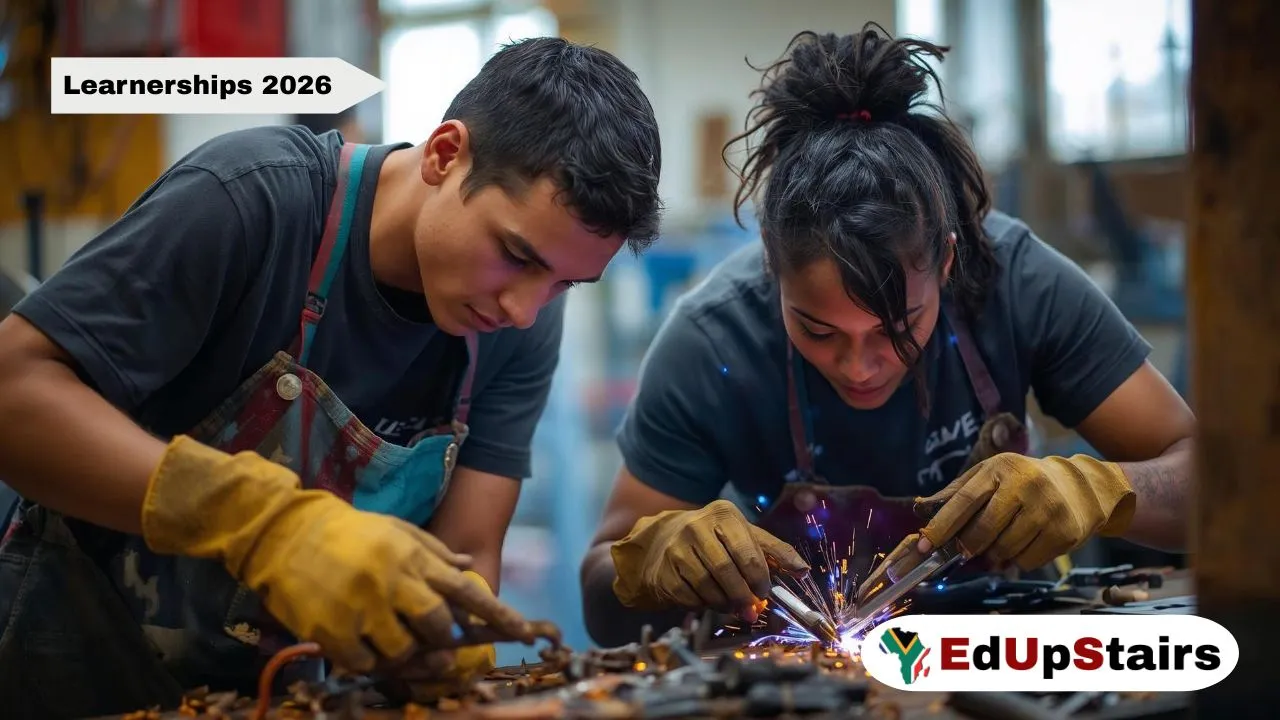
Young South Africans who are interested in technical careers now have an opportunity to apply for the 2026 Artisan Learnership Programme offered by Rio Tinto. This occupationally directed programme is designed to help unemployed youth gain nationally recognised artisan qualifications while receiving structured training and workplace exposure.
The programme combines theory, practical learning, and on-the-job training, helping learners build real-world technical skills that are needed across the mining and industrial sectors. Successful learners will receive a Trade Certificate issued by the Quality Council for Trades and Occupations (QCTO), which is recognised on the National Qualifications Framework (NQF).
Applications close on 29 May 2026.
For many young people in KwaZulu-Natal, especially those living within the King Cetshwayo District Municipality, this could become a life-changing opportunity to enter the skilled trades environment and build a long-term career.
Quick Overview
| Programme | Rio Tinto Artisan Learnership Programme 2026 |
| Programme Type | Occupational Trade Learnership |
| Location | King Cetshwayo District Municipality, KwaZulu-Natal |
| Closing Date | 29 May 2026 |
| Target Group | Unemployed South African Youth |
| Qualification Outcome | QCTO Trade Certificate |
| Trades Available | Diesel Mechanic, Boiler Maker, Millwright, Refractory Mason, Electrician, Mechanical Fitter, Instrumentation |
| Minimum Qualification | Grade 12 with Mathematics and Physical Science or Technical Matric |
| Driver’s License | Minimum Code B |
| Funding Requirement | Must not be on an active SETA-funded learnership/apprenticeship |
What Is an Occupationally Directed Artisan Learnership?
Many young people hear the word “learnership” but may not fully understand how occupational trade programmes work.
An occupationally directed artisan learnership is a structured training programme that combines:
- Classroom-based theoretical learning
- Practical technical training
- Real workplace experience
- Skills assessments
- Trade test preparation
Unlike short courses, artisan learnerships are designed to prepare learners for professional trade qualifications that are recognised nationally.
This means successful candidates can eventually work as qualified artisans in industries such as:
- Mining
- Manufacturing
- Engineering
- Construction
- Industrial maintenance
- Heavy machinery operations
- Energy and utilities
These technical careers often provide stronger long-term employment opportunities because skilled trades remain essential in South Africa’s economy.
Occupational Trade Certificates Available
The 2026 programme includes the following trade opportunities:
- Diesel Mechanic
Diesel Mechanics repair and maintain heavy-duty diesel-powered machinery and vehicles. These skills are highly valuable in mining, transport, logistics, and construction sectors.
- Boiler Maker
Boiler Makers work with metal structures, welding, fabrication, and industrial equipment assembly. This trade is critical in heavy industry and mining operations.
- Millwright
Millwrights are multi-skilled artisans who combine mechanical and electrical knowledge to install, maintain, and repair industrial machinery.
- Refractory Mason
Refractory Masons specialise in installing heat-resistant materials in industrial furnaces, kilns, and boilers used in heavy industrial processes.
- Electrician
Electricians install and maintain electrical systems, equipment, and industrial power systems.
- Mechanical Fitter
Mechanical Fitters assemble, install, maintain, and repair mechanical systems and industrial equipment.
- Instrumentation
Instrumentation artisans work with industrial control systems, measurement devices, and automation equipment used in advanced industrial environments.
Minimum Requirements for the Programme
Applicants must meet all the listed requirements before applying.
Basic Eligibility Requirements
Applicants must:
- Be South African citizens
- Be unemployed youth
- Have successfully completed Grade 12/Matric
- Have Mathematics (Core Mathematics)
- Have Physical Science or Technical Matric subjects
- Have a trade-related qualification
- Possess a valid South African driver’s license (minimum Code B)
- Not currently participate in an active SETA-funded learnership or apprenticeship
- Reside within the King Cetshwayo District Municipality in KwaZulu-Natal
One important detail is that Mathematical Literacy may not meet the requirement if the programme specifically requests Core Mathematics.
Applicants should carefully check their results before applying.
Documents Required for Application
Your application must include all supporting documents.
Prepare the following:
- Updated Curriculum Vitae (CV)
- Certified copy of Matric certificate
- Certified copy of trade qualification
- Certified copy of South African ID
- Certified copy of valid driver’s license
- Certified proof of residence or domicile address
- Affidavit confirming you are not participating in another SETA-funded learning programme
It is important that certified documents are clear and valid.
Poor-quality scans or missing documents can sometimes result in automatic disqualification.
Understanding the Selection Process
Acceptance into the programme will depend on:
- Successful application screening
- Interviews
- Assessments
This means meeting the minimum requirements alone does not guarantee selection.
Companies usually assess:
- Technical understanding
- Communication skills
- Problem-solving ability
- Motivation
- Safety awareness
- Ability to work in industrial environments
Applicants should therefore prepare seriously for the assessment process.
How to Prepare for the Application
Many applicants rush applications at the last minute, which often leads to mistakes.
Here are practical preparation steps:
Organise Your Documents Early
Do not wait until the closing date to certify documents or obtain affidavits.
Update Your CV
Your CV should clearly include:
- Educational background
- Technical qualifications
- Driver’s license information
- Contact details
- Any practical exposure or projects
Prepare for Interviews
You may be asked:
- Why you chose a specific trade
- What you know about artisan work
- Why workplace safety matters
- Why you want to work in technical environments
Practice Technical Reasoning
Some assessments may evaluate:
- Mechanical understanding
- Basic calculations
- Electrical concepts
- Problem-solving ability
Common Mistakes Applicants Should Avoid
Many young people lose opportunities because of avoidable errors.
Avoid these common mistakes:
- Submitting incomplete applications
- Uploading unclear certified copies
- Using expired certifications
- Applying without meeting minimum requirements
- Providing incorrect contact details
- Waiting until the final day to apply
- Using generic CVs without trade focus
How to Apply
APPLY FOR THE RIO TINTO ARTISAN LEARNERSHIP PROGRAMME 2026 HERE
Edupstairs Advice
One of the biggest mistakes young people make is overlooking technical careers because they focus only on office-based jobs.
Artisan careers can offer:
- Long-term employability
- Practical work experience
- Portable technical skills
- Strong earning potential
- Career growth opportunities
If you meet the requirements for this programme, take the application seriously and prepare properly.
Even if you are not selected, applying helps you gain experience in:
- Professional applications
- Technical interviews
- Assessment processes
- Workplace readiness
Young people who consistently apply for opportunities and improve their application quality often increase their chances over time.
Frequently Asked Questions (FAQ)
- Who can apply for the Rio Tinto Artisan Learnership Programme 2026?
South African unemployed youth who meet the educational and residency requirements can apply.
- Does the programme lead to a recognised qualification?
Yes. Successful learners receive a QCTO-issued Trade Certificate registered on the National Qualifications Framework (NQF).
- Is work experience required?
The advert focuses mainly on educational requirements and trade-related qualifications.
- Can applicants from outside KwaZulu-Natal apply?
The programme specifically requires applicants to reside within the King Cetshwayo District Municipality.
- What type of Mathematics is required?
The programme specifically mentions Core Mathematics.
- Is a driver’s license compulsory?
Yes. Applicants need a valid South African driver’s license with a minimum Code B.
- What happens after selection?
Shortlisted candidates may undergo interviews and assessments before final acceptance.
- Which trades are available?
The programme includes:
- Diesel Mechanic
- Boiler Maker
- Millwright
- Refractory Mason
- Electrician
- Mechanical Fitter
- Instrumentation
You can also:
- View latest Internships
- View latest Learnerships
- View Latest Bursaries
- View latest Government jobs
- View latest Company Vacancies
- View latest Municipality vacancies
- Visit the Edupstairs blog for daily updates
Application Outcome Tracker (anonymous)
No names collected. This helps future applicants understand real-world timelines.
Have you applied for this opportunity?
Disclaimer
This article is for informational and educational purposes only. Application requirements, programme details, and selection processes may change at the discretion of the recruiting organisation. Applicants should always verify information directly through the official application platform or employer communication before applying.
EDUPSTAIRS IS A REGISTERED NON-PROFIT ORGANISATION NPO No: 232 – 182, PUBLIC BENEFIT ORGANISATION (PBO): 930066984. EDUPSTAIRS DOES NOT, IN ANY WAY OR FORM, SOLICIT MONEY OR CV’S FROM PEOPLE FOR JOBS. PLEASE BE AWARE OF PHONY JOB POSTINGS AND RECRUITMENT FRAUD. USE THE EDUPSTAIRS SCAM DETECTOR TOOL TO SPOT A SCAM BEFORE YOU APPLY